Have you ever stared into the fridge at 6 PM, desperate for something comforting but dreading the heavy feeling of a pasta night? I’ve been there. That’s exactly where this recipe saves the day! It’s the perfect marriage of juicy, savory chicken and a creamy, buttery mash that—I promise—tastes just as good as potatoes. We are ditching the starch but keeping the soul in this meal. Get ready to have your tastebuds hug you.

Essential Ingredients for Flavorful Baked Chicken
I used to think making roast chicken was this huge, complicated thing. You know? I’d see those perfect golden birds in magazines and think, “Yeah, right. Mine looks like a sad, pale rubber duck.” Honest to god, for years my chicken was so dry you practically needed a gallon of water just to swallow a bite. It was embarrassing. But I learned the hard way that the magic isn’t in some fancy oven setting—it’s in the grocery bag.
If you want Baked Chicken with Cauliflower Mash that actually tastes good, you can’t just throw whatever is on sale into the pan. You need the right players on the field.
The Cut: Why Thighs Save Lives
Okay, maybe they don’t save lives, but they definitely save dinner. Here is the mistake I made for a decade: I kept buying boneless, skinless chicken breasts because I thought they were “healthier.” Big mistake. Huge.
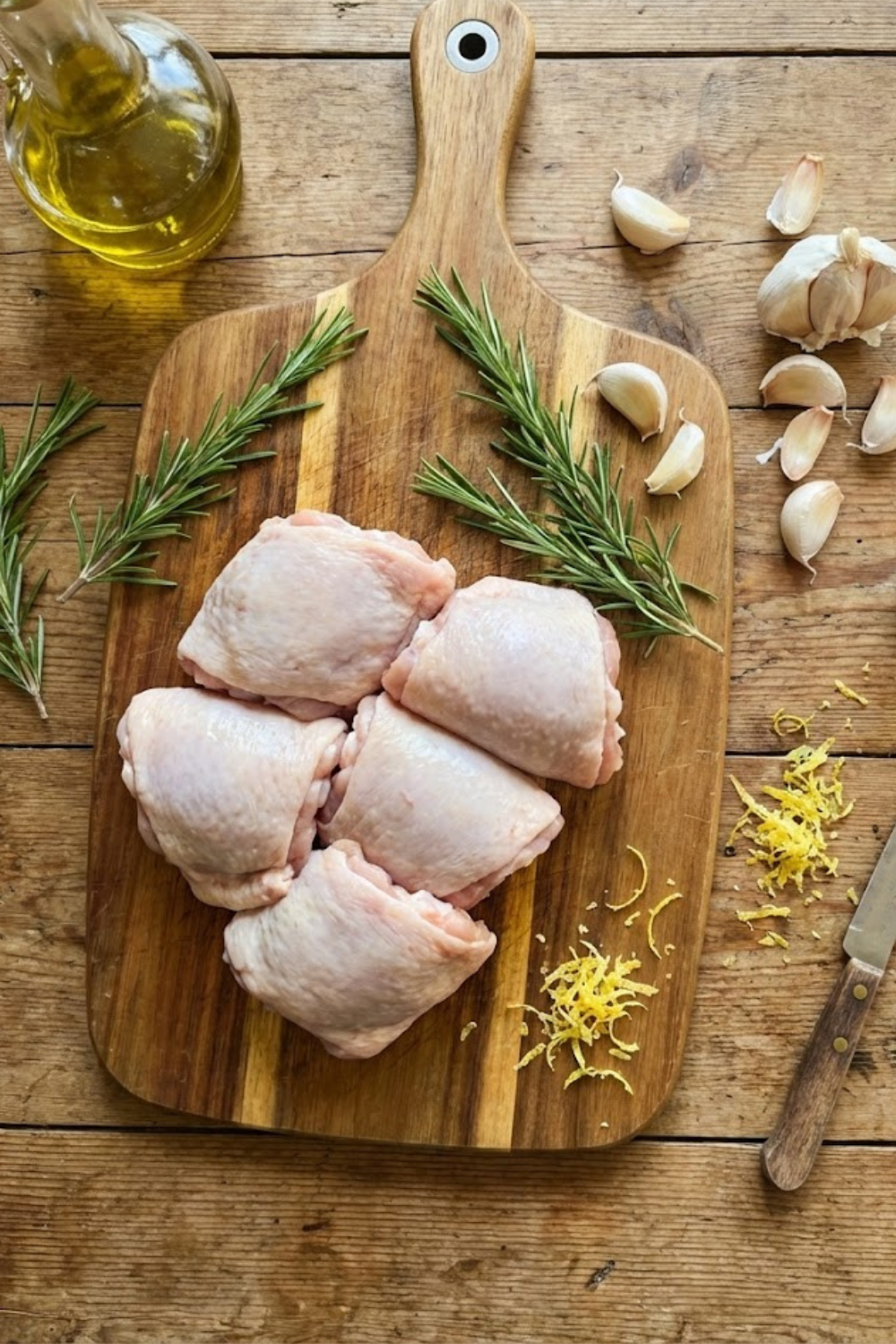
When you bake breasts, they dry out faster than a sidewalk in July. For this recipe, you really need bone-in, skin-on chicken thighs. The bone keeps the meat juicy by regulating the heat, and the skin? That’s where the flavor lives. Plus, thighs are cheaper. Who doesn’t love saving a few bucks?
The Fat Factor
You need fat to get that crispy skin. Period. I’ve tried using cooking sprays to cut calories, and it just ends up sad and soggy. Don’t do it.
I usually grab a bottle of high-quality olive oil. It handles the oven heat well and helps the seasoning stick to the meat. Sometimes, if I’m feeling fancy (or just had a rough day), I’ll use melted butter. Butter solids can burn if you aren’t careful, though. So, if you are a beginner, stick to olive oil. It’s safer. Just make sure you coat every inch of that bird.
Herbs and The “Acid Kick”
Salt and pepper are non-negotiable, obviously. But to really make this baked chicken sing, you need aromatics.
- Fresh Rosemary & Thyme: Dried herbs are okay in a pinch, but fresh herbs release oils that smell amazing while baking.
- Garlic Powder: Fresh garlic burns at high heat, turning bitter. Garlic powder gives you that savory punch without the burnt taste.
- Lemon: This is my secret weapon. A little squeeze of lemon juice or zest cuts right through the heavy fat of the chicken skin.
I remember one time I forgot the acid and the whole meal just felt… heavy. Like a brick in my stomach. The lemon brightens everything up. It’s a game changer.
So, grab the right cut, don’t skimp on the oil, and use fresh herbs. Your kitchen is gonna smell incredible.
Secrets to the Creamiest Cauliflower Mash
I have to tell you, the first time I tried to swap potatoes for cauliflower, it was a disaster. I ended up with a plate of watery, white slop that looked more like soup than a side dish. My kids took one look at it and asked if we had any cereal. It was humbling. But I’m stubborn, and I kept experimenting until I got it right. Now, I can honestly say this mash is good enough to fool a picky eater.
Here is what I learned about getting that perfect, fluffy texture.
Stop Boiling Your Veggies
This was my biggest mistake starting out. I treated the cauliflower just like potatoes and boiled it in a big pot of water. Big problem. Cauliflower is like a sponge; it drinks up all that water. When you go to mash it, that water leaks out, and you get a runny mess.
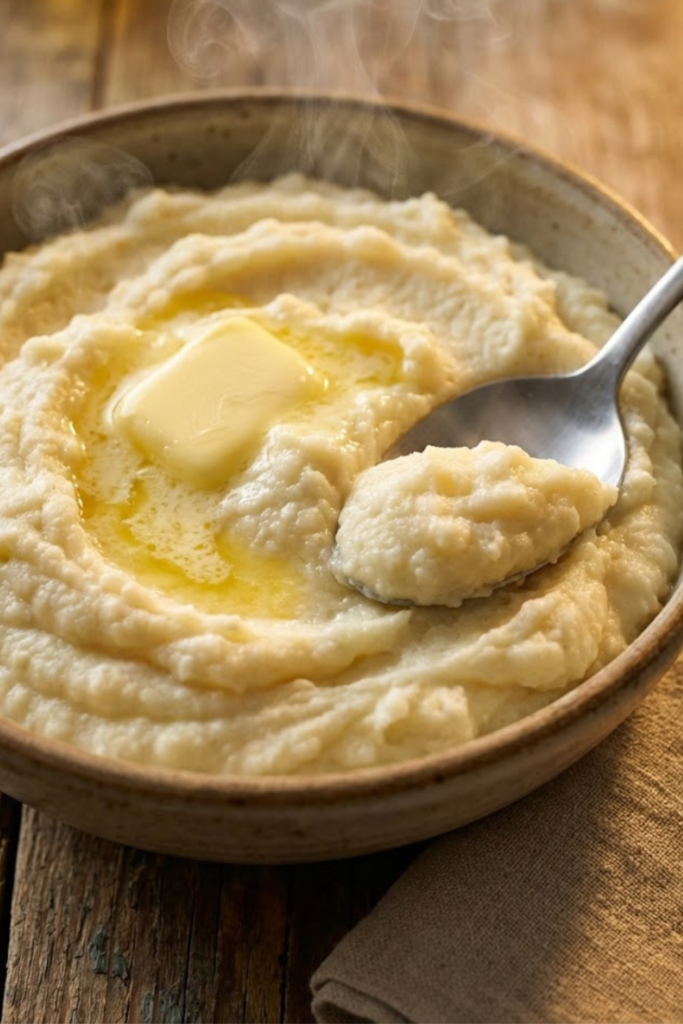
Instead, steam it. I use a simple steamer basket inside a pot. It cooks the florets until they are soft but keeps them dry. If you don’t have a steamer, you can microwave them in a bowl with a tiny bit of water covered by a plate. Just don’t drown them.
Let the Steam Escape
Once the cauliflower is cooked, don’t rush to mash it immediately. Drain any water left in the pot and let the florets sit there for a minute or two. You want to see the steam rising off them. That is moisture leaving the vegetable. The drier the cauliflower is before you add your fats, the creamier the final result will be.
Fat is Flavor
Cauliflower is pretty bland on its own. It needs help. Since we aren’t relying on the starchiness of potatoes, we need fat to create that rich mouthfeel.
I don’t hold back here. I add a generous knob of butter and, here is my favorite trick, a dollop of cream cheese. The cream cheese acts as a binder. It thickens the mash and gives it a velvety texture that butter alone can’t achieve. If you don’t have cream cheese, a splash of heavy cream works, but the cheese is better.
The Right Tool for the Job
You can try to mash this by hand, but you will likely end up with lumps. Lumpy cauliflower reminds you that you are eating a vegetable, and we don’t want that.
I use an immersion blender (stick blender). It is the best tool for this. It whips air into the mixture, making it light and fluffy. A food processor works too, but be careful. If you process it too long, it can turn into a weird, gluey paste. Just pulse it until it looks smooth.
Step-by-Step Guide to Roasting and Mashing
Cooking two things at once used to stress me out. I can’t tell you how many times I served burnt chicken with cold vegetables because I couldn’t get the timing right. It felt like juggling flaming torches. But over the years, I found a rhythm that works. You don’t need to be a professional chef; you just need a plan.
Here is exactly how I do it so everything hits the table hot and ready.
Prep Your Veggies First
Do not—I repeat, do not—wait until the chicken is in the oven to start chopping. You will feel rushed. I always wash the cauliflower and cut it into florets first.
Make sure you cut them into even pieces. If you have some giant chunks and some tiny crumbs, the small bits will turn to mush while the big ones stay crunchy. Trust me, biting into a hard piece of raw cauliflower hidden in mashed potatoes is a nasty surprise. Get them all roughly the same size and set them aside.
The Chicken Massage
This part sounds a little weird, but you have to get your hands dirty. For the longest time, I just sprinkled seasoning on top of the chicken skin. The skin tasted great, but the meat underneath was boring.
You need to lift the skin up gently and rub that spice mix directly onto the meat. It makes a huge difference. I used to be squeamish about touching raw meat, but soap and water exist for a reason. Just get in there. It helps the flavor go deep into the muscle.
Timing the Oven
Here is the schedule I use. It saves me from panicking at the end.
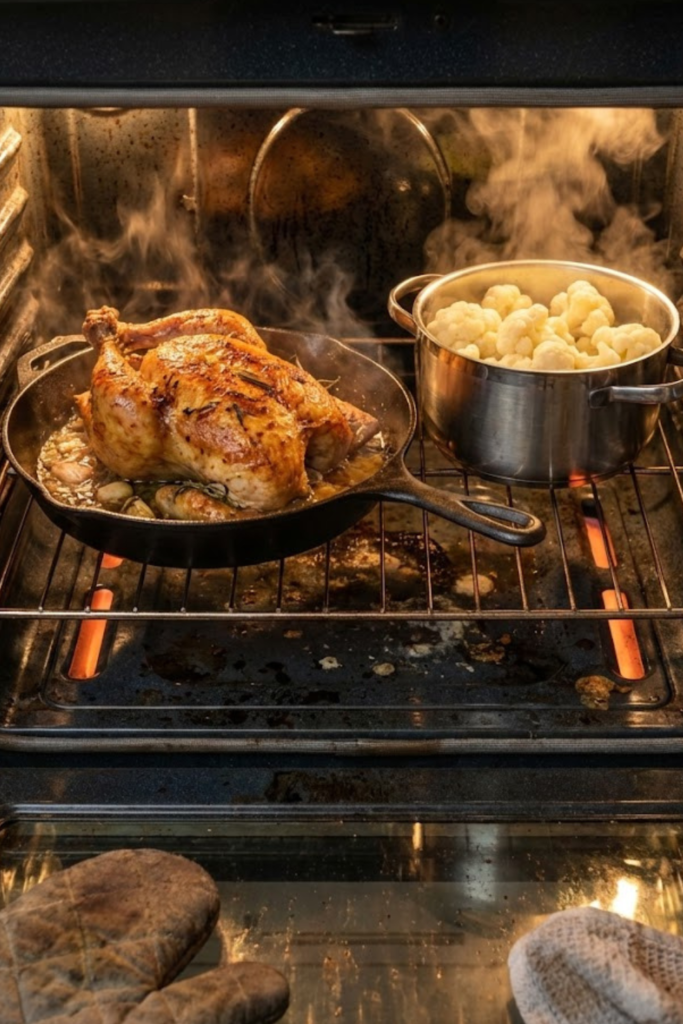
- Heat the oven to 400°F (200°C).
- Chicken goes in first. Bone-in thighs usually need about 35 to 40 minutes to cook through.
- Set a timer for 20 minutes. Go sit down. Check your email or fold some laundry.
- Start the steam. When that timer goes off, put your cauliflower in the steamer. It usually takes about 10 to 12 minutes to get soft.
The Final Mash
By the time the cauliflower is soft and drained, your chicken should be done. Pull the chicken out and let it sit on the counter.
Letting it rest is crucial. If you cut into the chicken right away, all the juices run out onto the plate, and the meat gets dry. While the chicken rests for those 5 to 10 minutes, that is your window to make the mash. Throw your butter and cream cheese in while the cauliflower is steaming hot so it melts instantly. Blitz it with your blender, and boom—dinner is ready.
Keto-Friendly Variations and Add-Ins
I love this recipe, but I get bored easily. If I have to eat the exact same meal three Tuesdays in a row, I’m going to cave and order a pizza. It’s just how my brain works. So, I learned to tweak things just enough so it feels like a new meal without doing a ton of extra work.
Here are my favorite ways to mix it up so you don’t get sick of it.
Loaded “Potato” Style
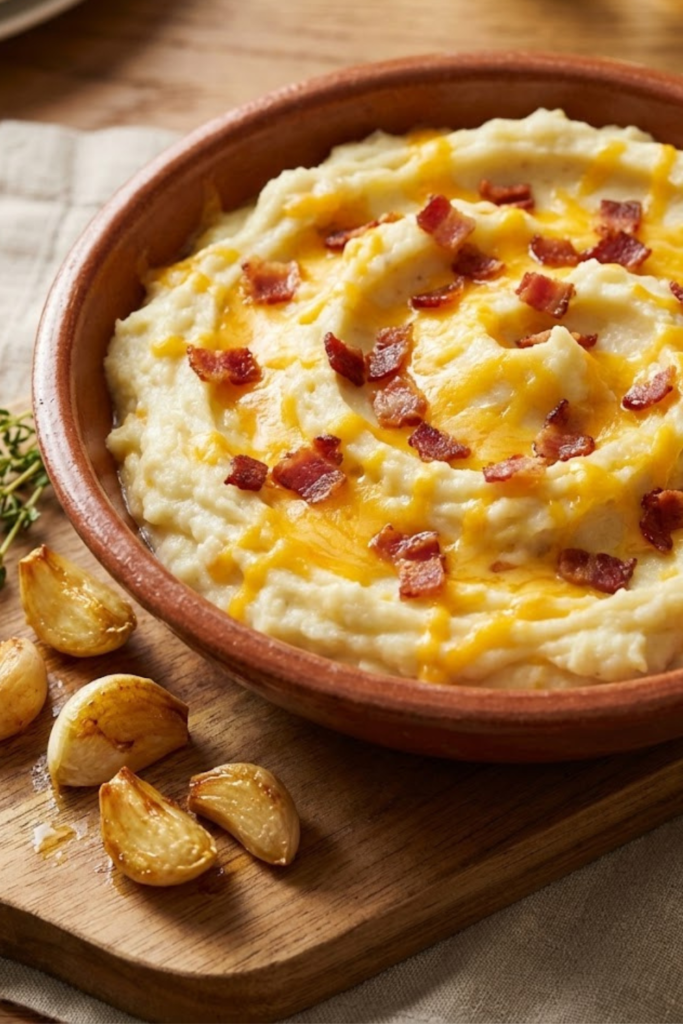
If you really miss those loaded baked potatoes from steakhouse dinners, do this. Once your mash is ready, stir in a handful of shredded sharp cheddar cheese and some cooked bacon bits. Top it with chopped chives. It tastes sinful. My kids actually prefer this version because, well, bacon makes everything better. It’s a great trick if you are trying to convince someone that cauliflower isn’t “rabbit food.”
Turn Up the Heat
Sometimes the lemon and herb vibe is a little too mild for me. If I want a kick, I change the chicken rub completely. I’ll swap the rosemary for smoked paprika and add a generous pinch of cayenne pepper or red chili flakes. It gives the chicken a nice reddish color and warms you up on a cold night.
For the Garlic Lovers
If you are the type of person who thinks “one clove of garlic” is a joke (like me), try roasting whole cloves. Just peel five or six cloves and throw them on the sheet pan right next to the chicken. They get soft, sweet, and brown in the oven. When they are done, smash them right into your cauliflower mash. It adds a deep, savory flavor that raw garlic just doesn’t have.
Dairy-Free Options
I have a friend who can’t do dairy, and she felt left out when I made this. We figured out that you can swap the butter for ghee (clarified butter) and use a little thick coconut cream instead of cream cheese. It changes the flavor a bit—it’s slightly nutty—but the texture is still creamy and satisfying.
Storing and Reheating Your Low-Carb Dinner
I hate throwing food away. It honestly feels like I am throwing money directly into the trash can. But leftovers can be tricky, especially with something creamy like this mash. I’ve had plenty of lunches ruined because I didn’t store things right, and I ended up eating a sad, oily mess at my desk between classes.
Here is how to keep this meal tasting fresh so you actually want to eat it the next day.
Fridge Life
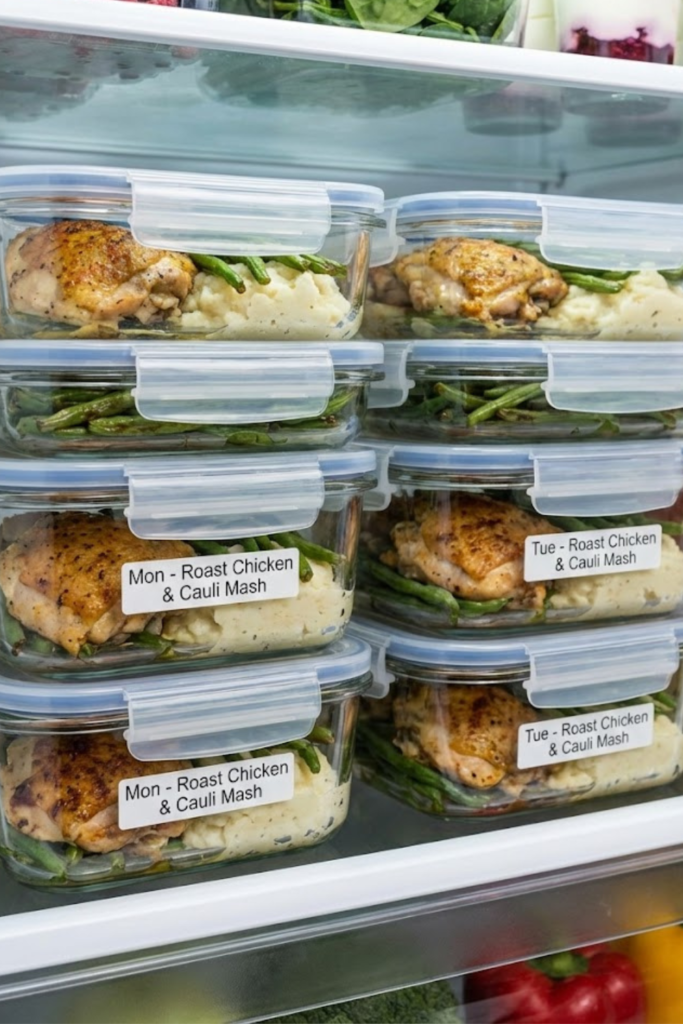
First off, get yourself some good glass containers. Plastic ones tend to hold onto grease and smells, and nobody wants their Tuesday lunch to smell like last week’s lasagna.
This baked chicken and cauliflower mash holds up pretty well in the fridge for about 3 or 4 days. After that, the chicken starts to taste a little “off,” and the mash can get watery. I usually roast a big batch on Sunday night, and it covers my lunches until Wednesday. If you haven’t eaten it by Thursday, it’s probably time to toss it.
Reheating the Mash
Okay, this is the part where people mess up. If you nuke the cauliflower mash on high for two minutes straight, the butter is going to separate. You will end up with a pool of oil on top of dry cauliflower solids. It looks gross.
I learned to reheat it gently. I do it in 30-second bursts in the microwave, stirring in between. It sounds annoying, but it keeps the texture creamy. If you are at home, heating it in a small pot on the stove is even better. Just add a tiny splash of milk or water to loosen it up again.
Dealing with Soggy Skin
The only bad thing about leftover roasted chicken is the skin. It loses that beautiful crunch after a night in the fridge. If you microwave it, the skin turns rubbery. It’s edible, but not great.
If I have time, I throw the chicken pieces in the air fryer for 3 or 4 minutes. It crisps the skin right back up like it just came out of the oven. A toaster oven works too. But if you are at work and only have a microwave, frankly, I just peel the skin off. I know, it’s a tragedy, but rubbery skin is a texture nightmare for me.
Meal Prep Potential
This meal is a lifesaver for busy weeks. I like to portion it out into individual containers right after cooking. That way, in the morning when I am rushing around trying to find my keys and grading papers, I can just grab a container and go. It stops me from hitting the drive-thru on the way home, which is better for my wallet and my waistline.
So, that is the drill. You really don’t have to eat boring salads every night just to stay healthy. This Baked Chicken with Cauliflower Mash proves you can have a dinner that feels like a cheat meal but actually fuels your body right. It is perfect for those crazy weeknights when you are tired and just want something warm and comforting without the heavy carb crash afterwards.
Giving up the potatoes doesn’t mean you have to give up the flavor or that cozy feeling. I really hope you give this a shot in your own kitchen. It took me a while to get on board with cauliflower, but now it is a regular in my rotation.
If this recipe helped you out or saved your dinner plans, please do me a huge favor and save it to your “Healthy Dinners” board on Pinterest! It helps other people find it too.