I still remember the first time I tried to bake a salmon fillet; I turned a beautiful piece of fish into something resembling a pink hockey puck! It was dry, sad, and honestly, a bit of a tragedy. But hey, that’s how we learn, right? Did you know that over 70% of home cooks overcook their seafood because they’re afraid of it being “raw”?
Today, we are diving into the world of Simple Baked Salmon with Lemon Juice. It’s my absolute go-to for busy weeknights because it’s fast, healthy, and high in those Omega-3 fatty acids we all need. I’ve spent years tweaking this method to ensure the citrus brightens the fat of the fish without overpowering it. Let’s get that oven prepped and make something your family will actually ask for seconds of!
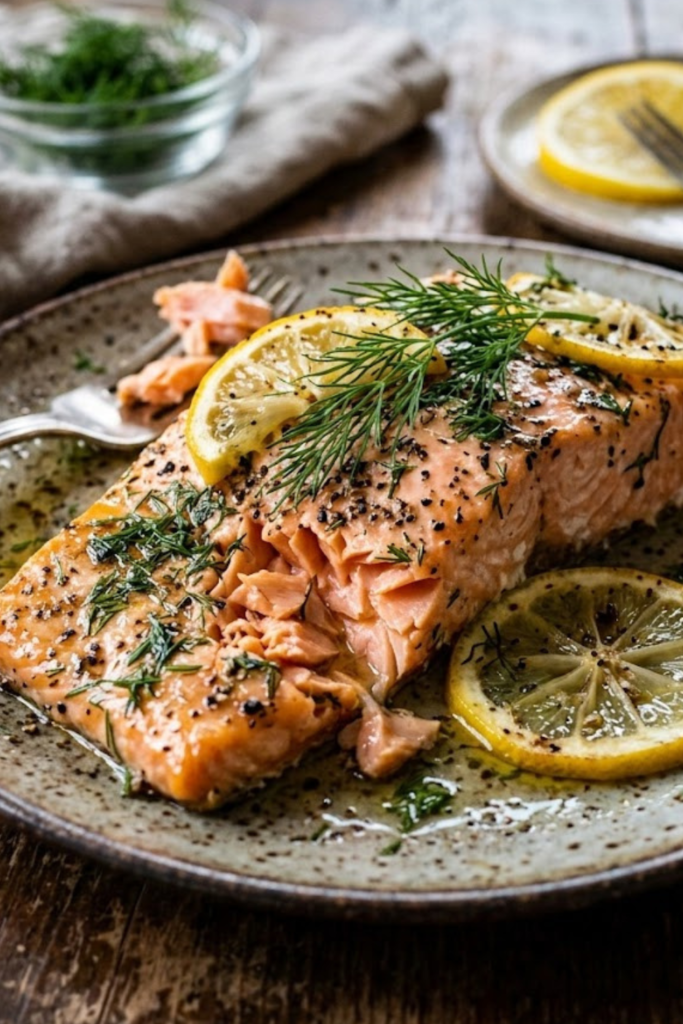
Choosing the Best Salmon Fillets for Baking
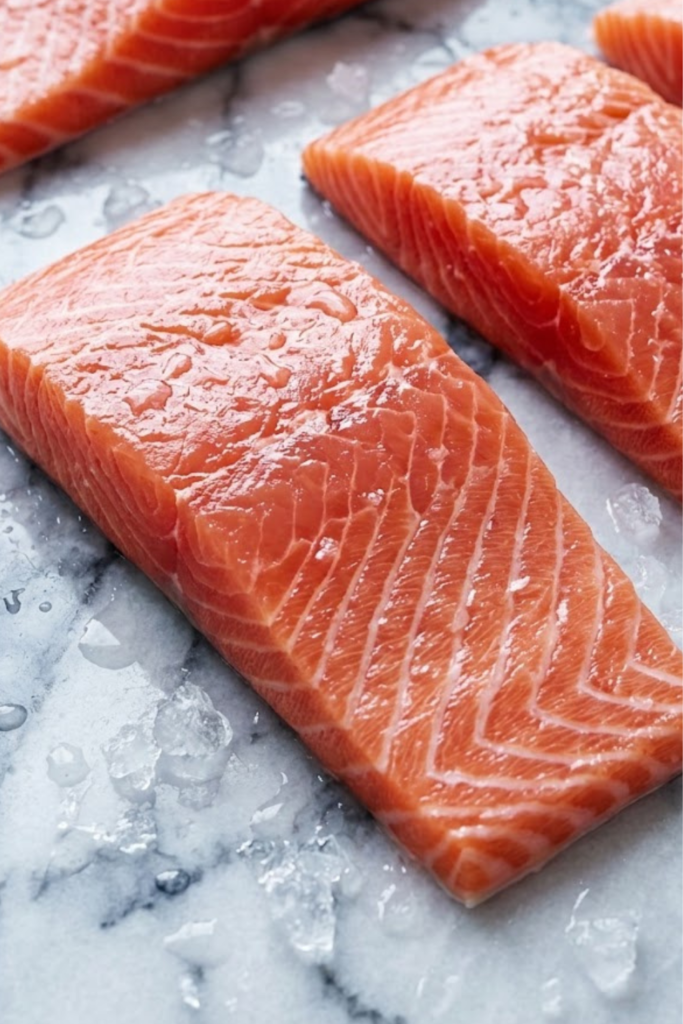
I’ve been cooking fish for my family for nearly twenty years now, and I can tell you that picking the right piece of salmon is half the battle. If you start with a bad fillet, no amount of lemon is going to save it. When you’re at the grocery store, you usually see two types: wild-caught and farmed.
Wild-caught salmon, like Sockeye or King, usually has a deep red color and a very strong, “fishy” flavor. It’s leaner because those fish were swimming against currents. Farmed salmon is usually lighter pink and has more white fat lines. If you are new to eating fish, farmed salmon is actually a bit more forgiving because that extra fat keeps it from drying out if you leave it in the oven a minute too long.
Here is what I look for to make sure it’s fresh:
- The Smell Test: It should smell like the ocean, not like a “fish market.” If it smells sour or really strong, put it back.
- The Touch: If you can poke the fish through the plastic, the meat should spring back. If your fingerprint stays there, it’s getting old.
- The Look: Look for “gaping.” That’s when the meat starts to flake apart while it’s still raw. You want a solid, firm piece of meat.
I always buy my salmon with the skin still on. Even if you don’t like eating the skin, it acts like a little heat shield between the hot pan and the delicate meat. It helps the fish cook more evenly and keeps the juices from escaping out the bottom. Just lay it skin-side down on your pan, and you’ll have a much better result.
Step-by-Step Baking Instructions
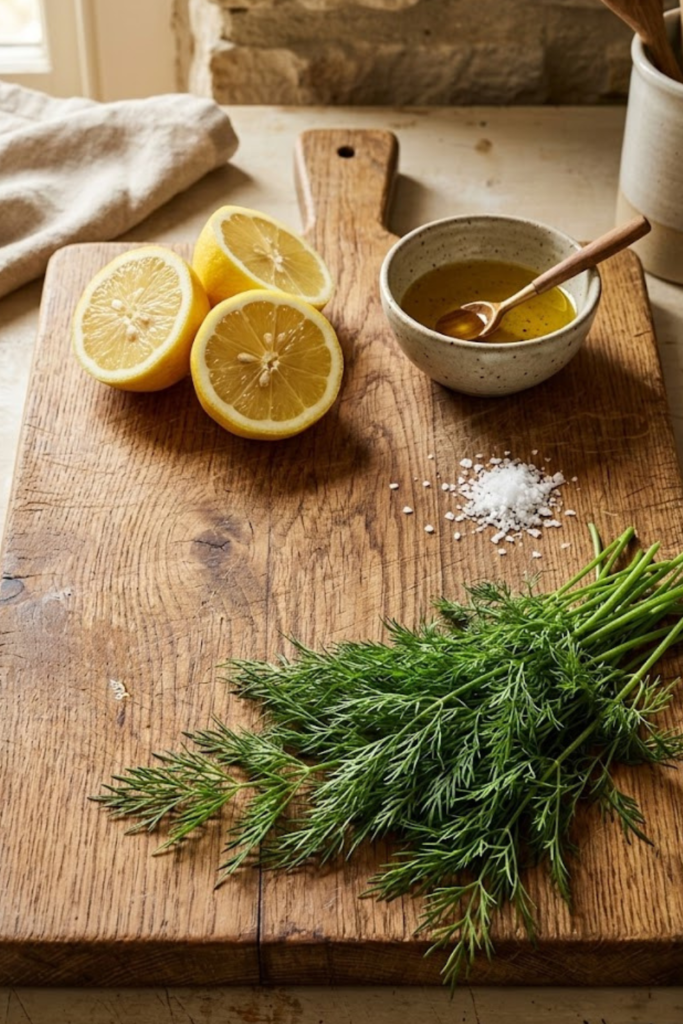
When you are getting ready to cook, the quality of your ingredients is what really makes the dish shine. For this recipe, the star is definitely the citrus. I always tell my friends to skip that plastic squeeze bottle shaped like a lemon. That stuff has preservatives that make the fish taste metallic. Instead, grab two or three heavy lemons from the produce bin. If they feel heavy for their size, it means they are full of juice.
Here is what you’ll want to have on your counter:
- Fresh Lemons: I like to zest one lemon before cutting it. The yellow skin holds all the oils that smell amazing. Then, I slice half of them into thin rounds to lay on top of the fish.
- The Right Fat: You need a little fat to help the seasonings stick. I usually go with extra virgin olive oil because it’s heart-healthy, but if I’m feeling fancy, I’ll use melted unsalted butter. It makes the salmon taste almost like lobster.
- The Green Stuff: Fresh dill is the classic choice for salmon. It has a tiny bit of an anise or licorice flavor that cut through the fatty fish. If you don’t have dill, flat-leaf parsley works great too.
- Dry Spices: Keep it simple. I use a good pinch of kosher salt and some cracked black pepper. If you want a little kick, a tiny shake of garlic powder or even some smoked paprika adds a nice color.
I usually mix the oil, lemon juice, and spices in a small bowl first. If you pour them on separately, you might end up with one salty spot and one sour spot. Whisking them together helps every bite taste just as good as the last one. Just remember not to add the lemon juice until you are actually ready to put the pan in the oven. If it sits too long, the acid starts to change the texture of the raw fish.
Step-by-Step Baking Instructions
Once your salmon is prepped and your oven is preheated to 400°F (204°C), you are ready for the main event. I prefer this higher temperature because it roasts the outside quickly, which helps keep the inside from getting tough. If you cook it too low for too long, the white albumin—that weird white stuff that sometimes leaks out of the fish—starts to take over.
Here is my simple process for getting it into the oven:
- Prep the Pan: Line a rimmed baking sheet with parchment paper or a bit of foil. It makes cleanup a breeze, and you won’t have to scrub fish scales off your pans later.
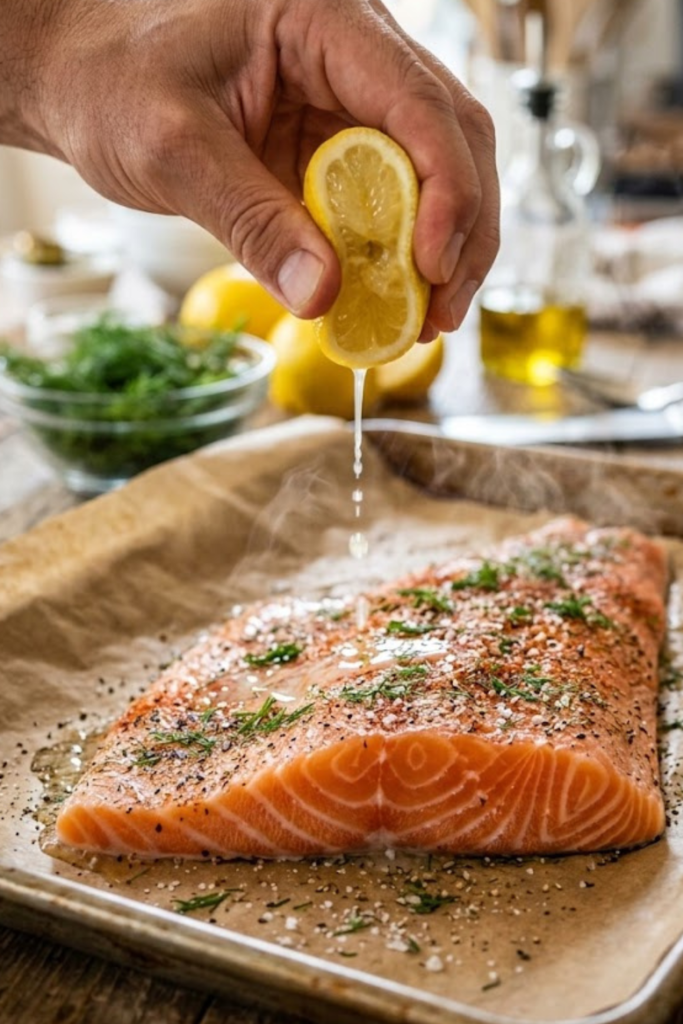
- The Squeeze: Pour that lemon and oil mixture right over the top. If you have extra lemon slices, tuck them under the edges of the fish. It creates a little steam that keeps the tail end from burning.
- Timing: For a standard one-inch thick fillet, I usually aim for 12 to 15 minutes. If your piece of fish is thinner, start checking it at 10 minutes.
The best way to tell if your salmon is done is the “flake test.” You don’t even need a fancy thermometer. Take a fork and gently press down on the thickest part of the meat. If the layers of the fish start to separate and flake apart easily, it’s ready. The center should still look a tiny bit translucent or “wet”—don’t worry, it will finish cooking while it sits.
Speaking of sitting, this is the part most people skip. Once you pull the pan out, let the fish rest for about 5 minutes. If you cut into it right away, all those flavorful juices will run all over the pan instead of staying in the meat. I usually just tent a piece of foil over it loosely while I’m setting the table. This little wait makes a huge difference in how moist the final meal turns out.
Common Mistakes to Avoid
I’ve seen a lot of people get frustrated with salmon because they feel like it’s a “finicky” fish, but usually, it just comes down to a few simple slip-ups. If you can avoid these three things, your dinner will turn out way better than most restaurant versions.
First, let’s talk about overmarinating. I know it sounds like a good idea to let the fish soak in that lemon juice for an hour to get all the flavor in there, but don’t do it! The acid in the lemon actually starts to “cook” the proteins—it’s the same process used to make ceviche. If you leave it too long, the outside of your salmon will get a weird, mushy texture before it even hits the oven. I always wait until the very last second to squeeze my lemons over the fillets.
Another big one is “crowding the pan.” If you are cooking for a big family and try to squeeze six large fillets onto one small baking sheet, they won’t roast; they’ll steam. When the fish pieces are touching, the heat can’t get around the sides. You end up with salmon that is gray and soggy instead of having those nice, slightly crisp edges. If you have a lot of fish, just use two pans. It’s worth the extra thirty seconds of washing up later.
Lastly, try not to cook your fish straight from the fridge. I used to pull the cold salmon out and throw it right into the 400-degree oven, but the outside would get overdone while the middle was still ice cold. Now, I try to let the fish sit on the counter for about 10 or 15 minutes while the oven warms up. This helps it cook evenly all the way through so you don’t have to guess if the center is safe to eat. Avoiding these little hurdles makes the whole process a lot less stressful!
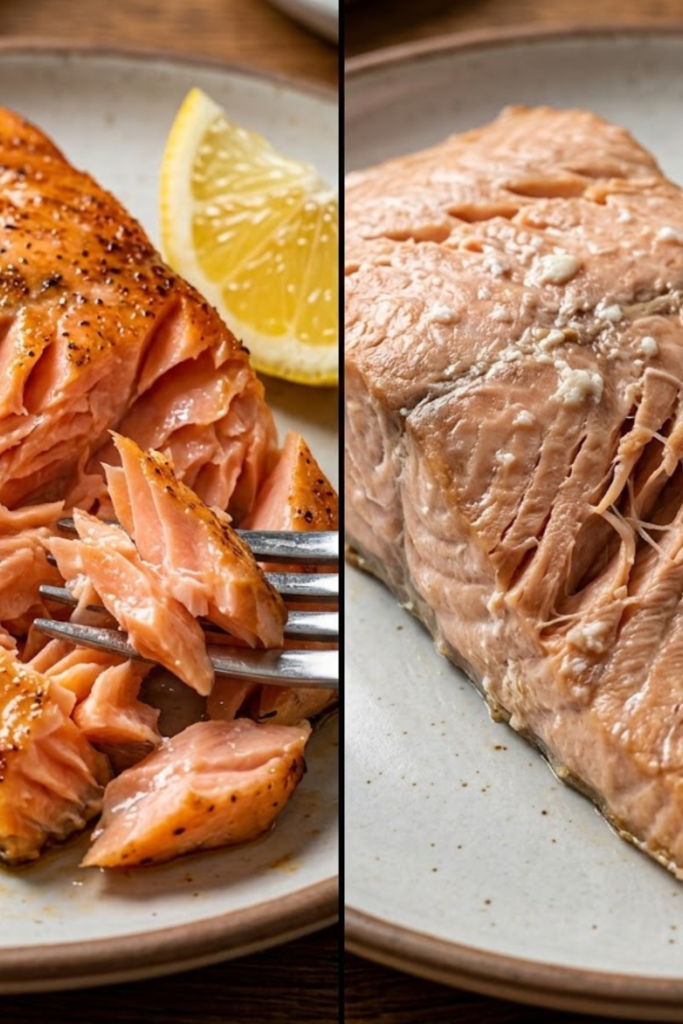
I’ve covered a lot here, but the most important thing is that you shouldn’t be scared of cooking fish. I know it can feel like a big deal when you spend money on a nice piece of salmon, but as long as you have a few fresh lemons and a hot oven, you are going to do just fine. Remember to keep an eye on the clock, don’t forget that little 5-minute rest at the end, and always go for the fresh citrus over the bottled stuff.
Baking a Simple Baked Salmon with Lemon Juice is honestly one of the best skills you can have in the kitchen. It’s healthy, it looks fancy when you serve it to guests, and it’s way easier than most people think. I hope these tips help you get that perfect, flaky texture every single time you cook.
If you found these tips helpful for your next dinner, please save this post to your “Healthy Dinners” or “Seafood Recipes” board on Pinterest so others can find it too!