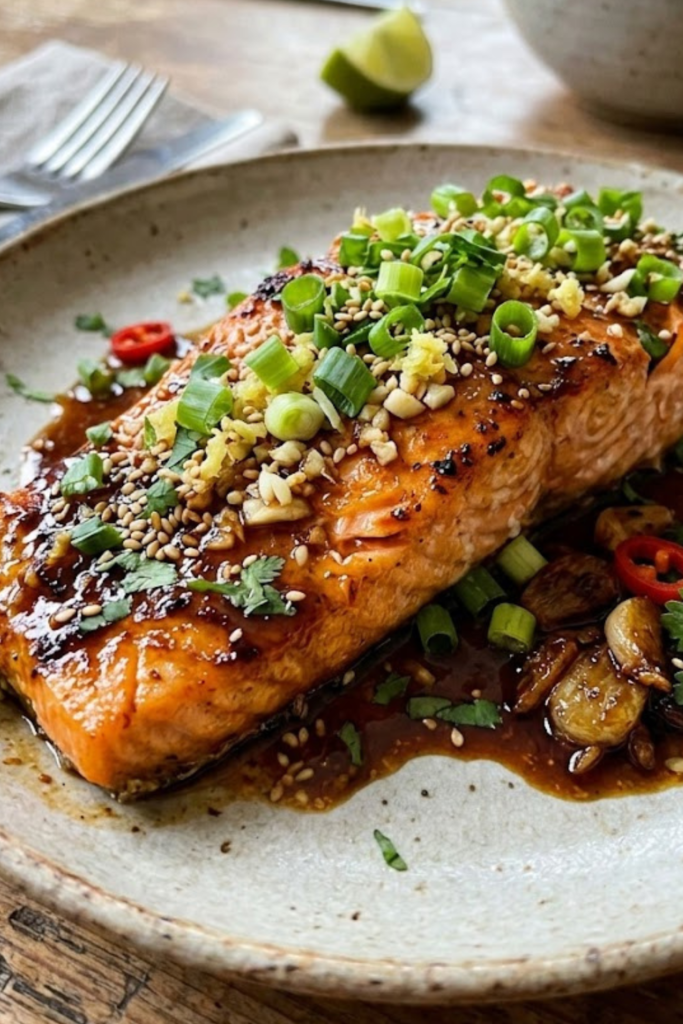
Did you know that nearly 70% of home cooks admit they are intimidated by cooking fish because they’re afraid of overcooking it? I totally get it because I used to be the exact same way! For years, I turned beautiful fillets into hockey pucks, but then I discovered the magic of Ginger Garlic Baked Salmon. It’s a total game-changer for a busy Tuesday night. The zingy ginger hits your tongue first, followed by that warm, buttery garlic goodness that makes you want to lick the pan. Trust me, once you try this 2026 version of a classic, you’ll never go back to boring, dry fish again!
Selecting the Best Salmon Fillets
I remember the first time I went to the grocery store to buy fish for a big family dinner. I was so nervous I’d pick something gross! I ended up buying this piece of salmon that looked okay under the bright store lights, but when I opened the package at home, it smelled like an old wet dog. Yuck! I had to throw the whole thing away and order pizza. Since then, I’ve learned a few tricks about picking the right fish so you don’t have to waste your money like I did.
Fresh vs. Frozen: Which is Better?
A lot of people think “fresh” is always the best choice, but that’s a bit of a myth. If you don’t live right by the ocean, that “fresh” fish has probably been sitting on a truck for a few days. I actually prefer buying frozen-at-sea salmon. They freeze it right on the boat, which keeps it tasting great. If you can find wild-caught Sockeye or King salmon, definitely go for that. It’s got a much richer flavor and more of those healthy omega-3 fats than the farmed kind you see in the big bags.
What to Look For
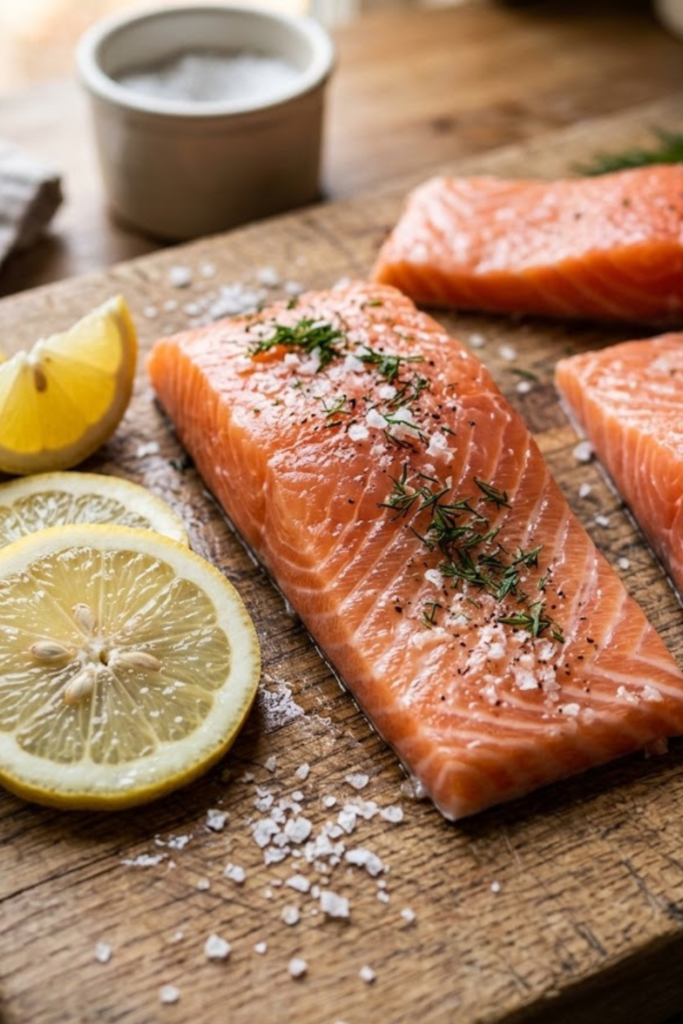
When you are looking at the fillets in the case, check the color first. You want a piece that is vibrant pink or even deep red. If it looks pale, or if there are brown spots around the edges, just leave it there. Another thing I do is give it a quick poke—well, through the plastic wrap, of course! The meat should be firm and spring back right away. If your finger leaves a little dent in the fish, it’s starting to get old and won’t flake nicely when you bake it.
Why You Want the Skin On
I know some people think the skin is icky, but listen to your teacher on this one: keep the skin on! Even if you don’t plan on eating it, that skin acts like a little heat shield in the oven. It keeps the juices inside the fish so it stays moist. If you take the skin off before baking, the salmon usually gets dry and tough, and nobody wants that. Plus, once it’s cooked, the meat slides right off the skin anyway, so it’s super easy to deal with on your plate.
The Secret to the Perfect Ginger Garlic Marinade
My Epic Marinade Fail
Look, I’ve been teaching folks how to cook for a long time, but I still mess up. One time, I thought I could be smart and use that powdered ginger from the back of my spice rack. Big mistake! It tasted like soapy dust, and my poor husband had to pretend it was edible. You really gotta use the fresh stuff if you want that Ginger Garlic Baked Salmon to actually taste good.
Get the Fresh Stuff
I always tell my students to buy a big knob of ginger and just keep it in the freezer. It’s way easier to grate when it’s frozen, and it doesn’t get all stringy and weird. For the garlic, don’t even think about using those pre-peeled cloves in the jar. They lose all their bite, and you want that spicy garlic kick to stand up to the fish.
Mixing It Up
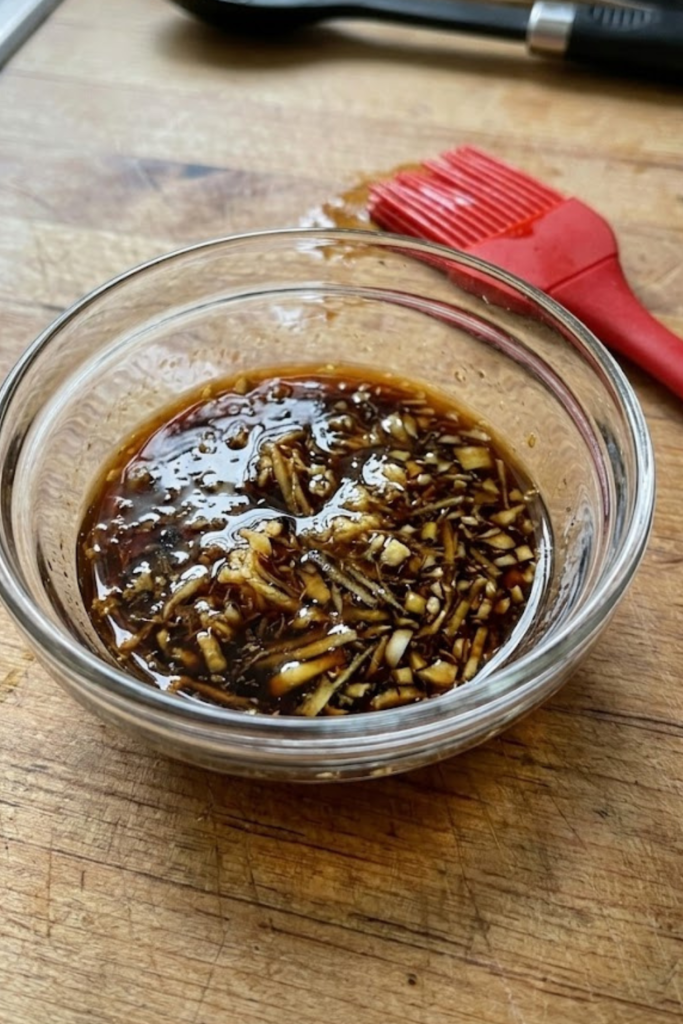
I usually grab a small bowl and throw in about two tablespoons of soy sauce. Then I add a teaspoon of toasted sesame oil because that stuff smells like heaven. I also like to add a squeeze of honey to help it caramelize in the oven. If you like things spicy, throw in some red pepper flakes too!
Let It Sit (But Not Too Long)
You might think leaving the fish in the sauce for hours makes it better, but that’s a lie. If you leave it too long, the acid in the sauce starts “cooking” the fish and it gets mushy. I found that 20 minutes on the counter is the sweet spot. It gives the flavors enough time to sink in without ruining the texture.
A Little Pro Tip
Sometimes I get lazy and don’t want to wash an extra bowl, so I mix everything in a plastic bag. Just put the salmon in the bag, pour the sauce over it, and squish it around. It covers every inch of the fish and makes cleanup super easy. Plus, it’s kinda fun to squish, honestly.
Mastering the Bake: Time and Temperature
I’ll be honest with you—the hardest part about teaching my cooking class isn’t the knife skills or the fancy sauces. It’s the oven! People get so scared they’re gonna serve raw fish that they leave it in way too long. I remember one Tuesday night I was grading papers and got an email from a student that really annoyed me. I totally forgot about my salmon! By the time I took it out, it was dry as a bone and tasted like cardboard. My cat wouldn’t even eat it. Don’t be like me; you gotta watch that clock.
Why 400°F is the Magic Number
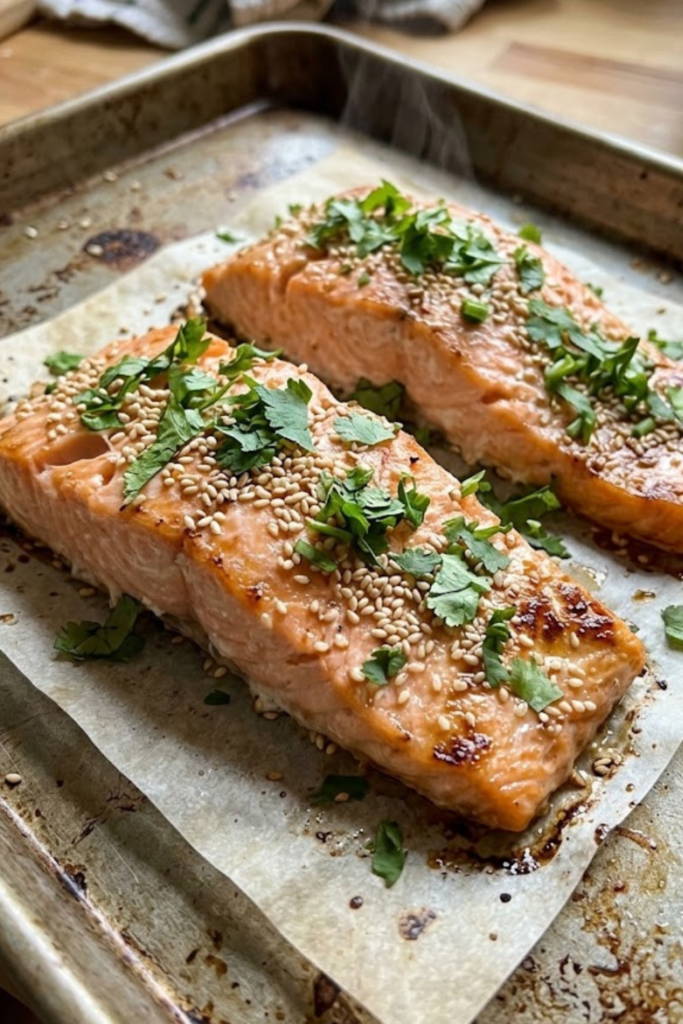
Most people ask me why I don’t just cook it low and slow. Well, for a Ginger Garlic Baked Salmon, you want that high heat to help the marinade get all sticky and delicious on top. I always preheat my oven to 400°F (200°C). If you put the fish in before the oven is actually hot, it just sits there and gets mushy. Make sure that little red light on your oven is off before you slide the pan in. It usually takes about 12 to 15 minutes depending on how thick your fillets are.
The Foil Packet Trick
If you’re worried about the fish drying out, I always suggest using a “packet.” You just lay your salmon on some parchment paper or aluminum foil, pour that ginger garlic sauce over it, and fold the edges up. It’s like a little steam room for your dinner! This keeps all the moisture trapped inside. It might not get as brown on top, but man, it stays juicy. Plus, you can just throw the foil away after, which means less scrubbing the pan—and I think we all want fewer dishes in our lives, right?
How to Tell It’s Actually Done
I tell my students to use the “fork test.” Just take a fork and gently push it into the thickest part of the salmon. If it flakes apart easily, it’s done. If it still looks dark pink and translucent in the middle, give it two more minutes. If you have one of those digital meat thermometers, you’re looking for 145°F. I usually pull mine out when it hits 140°F because the heat stays in the fish and keeps cooking it for a minute after it’s out of the oven. This is the best way to get that perfect texture every time.
Healthy Sides for a Complete Meal
I remember one time I made this beautiful Ginger Garlic Baked Salmon for some friends, but I totally forgot to make anything to go with it! We just sat there eating plain fish on a plate. It was awkward, and everyone was still hungry after. My friend Sarah even asked if I had any crackers in the pantry. Since that embarrassing night, I’ve made sure to have a couple of go-to sides that make the whole meal feel finished.
Picking the Right Grains
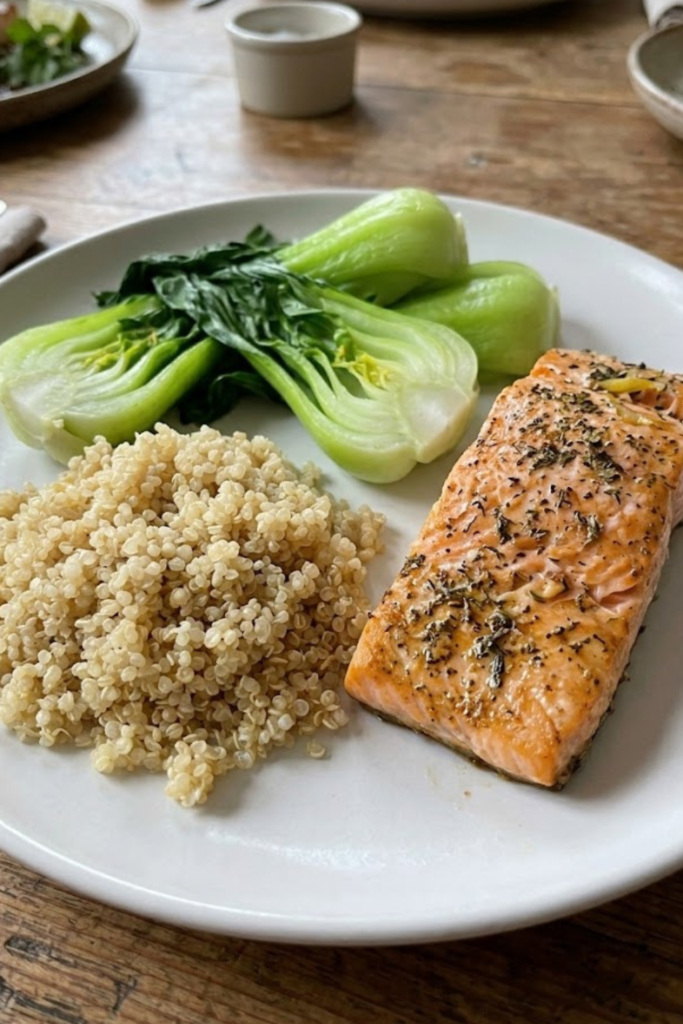
Since the sauce from the salmon is so tasty, you want something on the plate that can soak it up. I usually go for quinoa or brown rice. If you’re trying to keep things low-carb, cauliflower rice works great too! I once tried to make a fancy wild rice mix, but it took way too long to cook and I ended up burning the bottom of the pot. Stick to the simple stuff. Just a scoop of fluffy rice under your fish makes it feel like a real restaurant meal. Plus, it catches all that extra ginger and garlic goodness so none of it goes to waste.
Adding Some Green to the Plate
You really need something crunchy and fresh to balance out the rich fish. My absolute favorite is steamed bok choy. I just cut them in half and toss them in the steamer for about five minutes. If I’m already using the oven for the salmon, I’ll throw some broccoli on a separate tray with a little salt and oil. It gets those crispy edges that my kids actually like. If it’s a hot day, a quick cucumber salad with a splash of vinegar is perfect. It cleans your palate between bites and keeps the meal from feeling too heavy.
Don’t Overthink It
The best part about this dinner is that it’s fast. Don’t spend an hour making a side dish when the salmon only takes fifteen minutes. I usually start my rice first, then prep the fish, and by the time the salmon is coming out of the oven, everything else is ready to go. It makes the kitchen feel a lot less messy. Just put a little bit of everything on a big plate, and you’ve got a healthy dinner that looks like you spent all day on it.
So, that’s pretty much all there is to it! Making Ginger Garlic Baked Salmon doesn’t have to be a big, scary thing that keeps you out of the kitchen. If a tired teacher like me can figure it out between grading papers and running errands, I know you can too. Just remember the main stuff we talked about: pick out a nice, bright piece of fish with the skin still on, use fresh aromatics for that zingy sauce, and whatever you do, don’t let it sit in the oven for too long!
Pairing your salmon with some simple rice and a bit of green veg makes the whole thing feel like a real “grown-up” meal without all the stress. It’s healthy, it’s fast, and it tastes like you actually know what you’re doing—even if you’re still learning! I’ve had my share of burnt dinners and “oops” moments, but this recipe is one of those reliable ones that just works every time.
I really hope this helps you feel a bit more confident. Even if you’re just starting out, just keep trying and don’t be afraid to make a mess. If you found these tips helpful or if you just really liked the recipe, please take a second to pin it to your Pinterest boards. It really helps me out and helps other busy folks find easy, healthy dinner ideas that actually taste good. Happy cooking, everyone!