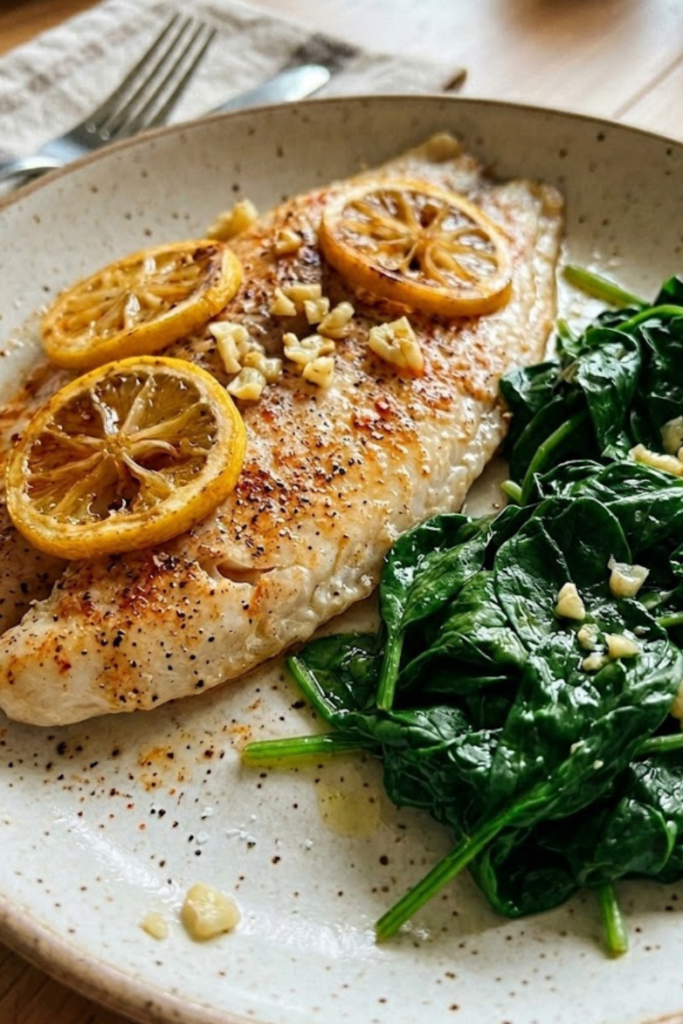
Did you know that tilapia is the fourth most consumed fish in the United States? Honestly, I used to be totally terrified of cooking fish at home! I always worried I’d turn my kitchen into a stinky mess or, even worse, serve my family a rubbery piece of “meat” that tasted like a literal tire. But once I mastered this Baked Tilapia with Steamed Spinach, my Tuesday nights changed forever. It’s light. It’s zesty. It’s fast. You’re going to love how the flaky white fish pairs with the earthy, garlicky greens. Let’s get cooking!
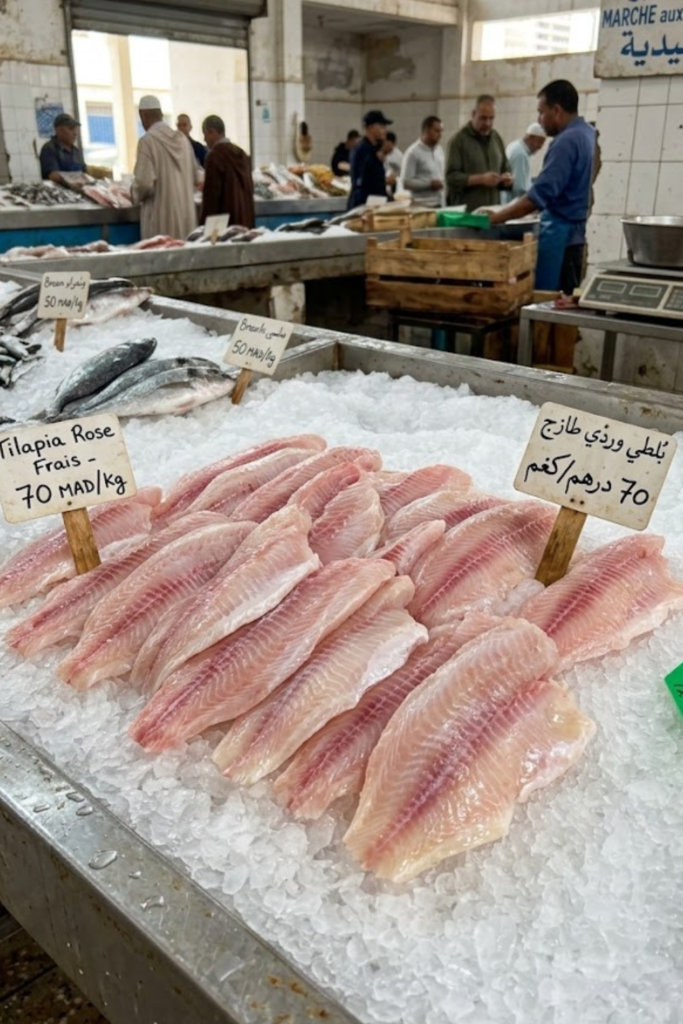
Choosing the Freshest Tilapia Fillets
Picking out fish can feel like a guessing game if you don’t know what you’re looking for. I remember the first time I went to the seafood counter; I was so nervous I just pointed at the first piece I saw. Big mistake! It smelled like an old pier and tasted even worse. Now, I’ve got a system. When I’m looking at the glass case, I always look for tilapia that has a nice pinkish-white color. If the meat looks gray or dull, just walk away. It should also be firm. If you poke it (through the plastic, of course!) and your finger leaves a dent that doesn’t pop back, that fish has been sitting there way too long.
A lot of people think fresh is always better, but I’ll tell you a secret as a busy teacher. Frozen tilapia is actually awesome. It’s usually cheaper and they freeze it right on the boat, so it’s often “fresher” than the stuff that’s been sitting in the display case for three days. Plus, you can keep a bag in the freezer for those nights when you realize you forgot to plan dinner. It’s a total lifesaver when you’re tired and just want to eat something healthy without a huge fuss.
Lastly, take a quick peek at the label on the package. I look for the little stickers that say the fish was farmed the right way. It makes me feel better knowing the fish lived in clean water. It’s a small thing, but it really makes a difference in how the meal turns out. Trust me, starting with good fish is half the battle. If you get this part right, the rest of the recipe is a breeze!
My Secret Garlic Lemon Butter Seasoning
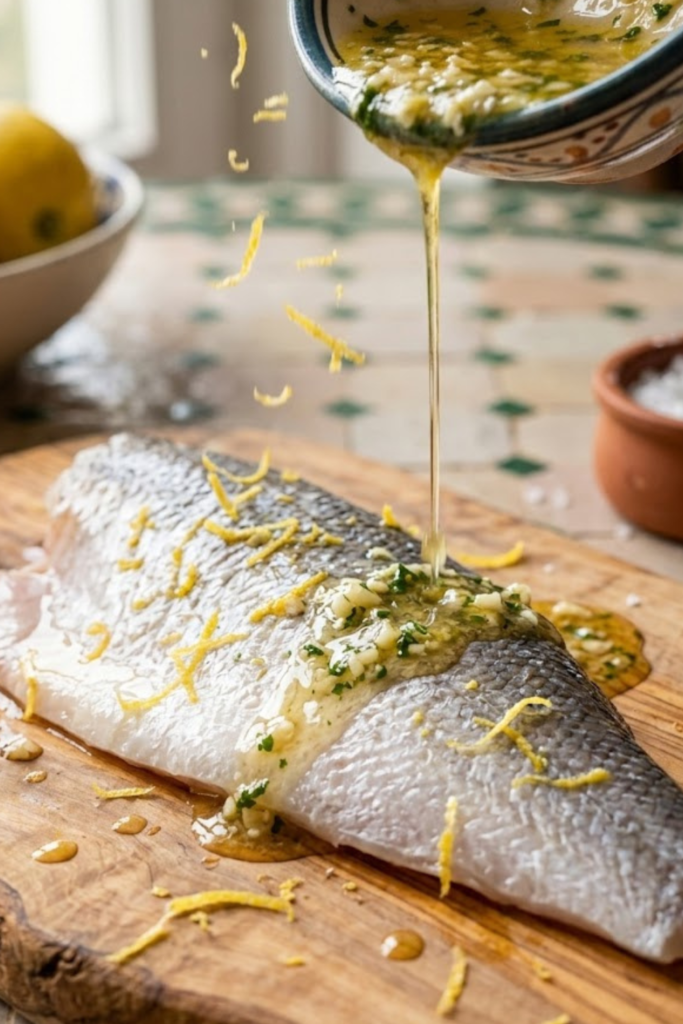
I’ll be the first to tell you that plain tilapia is kind of boring. It doesn’t have a lot of flavor on its own, which is why the seasoning is the most important part! For a long time, I just shook some salt and pepper on it and called it a day. My husband would eat it, but he wasn’t exactly asking for seconds. Then I started playing around with this garlic lemon butter mix, and let me tell you, it changed everything.
The secret is using fresh garlic. I know those little jars of pre-minced garlic in the grocery store are tempting because they save time, but they just don’t taste the same. They can even taste a bit bitter sometimes. I grab two or three cloves and mash them up real good. Then I melt about three tablespoons of salted butter—yes, real butter!—and mix the garlic in with a bunch of lemon juice.
I also like to add a little bit of smoked paprika and dried oregano. The paprika gives it a pretty color so the fish doesn’t look so pale when it comes out of the oven. And don’t forget the lemon zest! I use a small grater to get the yellow skin off the lemon before I squeeze it. That’s where all the “bright” flavor lives. I just pour this mixture right over the fillets before they go in. It smells so good while it’s cooking that my kids usually wander into the kitchen to ask when dinner is ready. It’s simple, but it tastes like something you’d get at a fancy restaurant. Just make sure you get enough on every inch of the fish so every bite is juicy!
The Trick to Perfectly Steamed Spinach
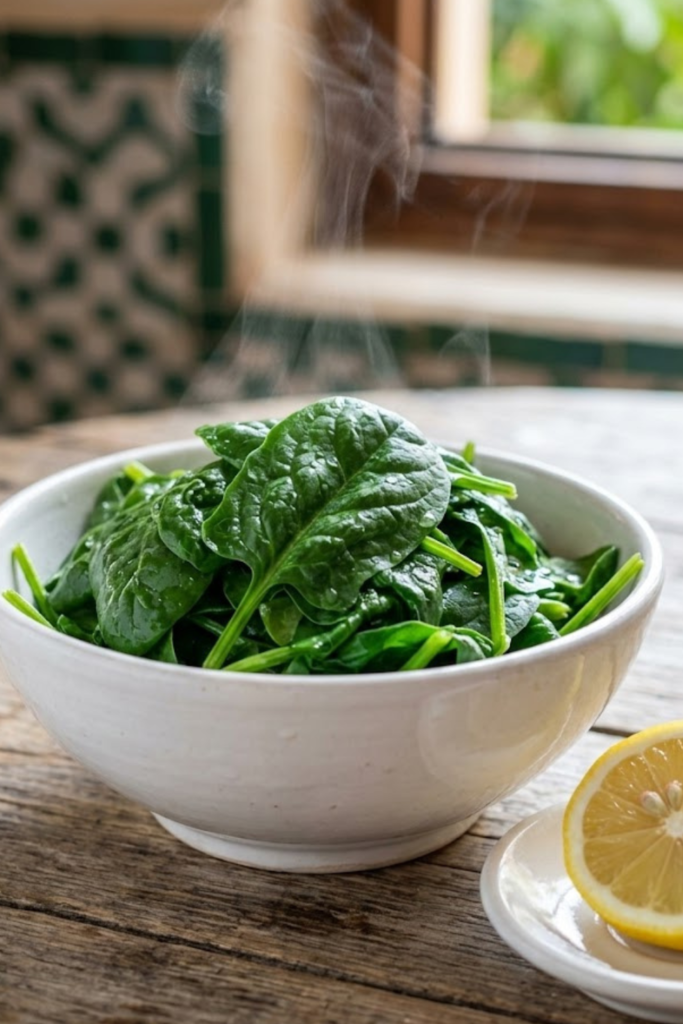
I used to think that “steamed spinach” was just a fancy name for green slime. Every time I tried to make it, it ended up looking like something that belonged at the bottom of a lake. I’d boil it for way too long, and it would lose that pretty bright color and turn into a soggy mess. My kids would look at it like I was trying to feed them grass! But I finally figured out that the secret is all in the timing. You really only need to steam it for about two minutes. As soon as those baby leaves start to wilt and look soft, they are done. Pull them off the heat right away.
Another thing I learned from a fellow teacher is to use a tiny pinch of nutmeg. I know it sounds weird to put a pie spice on your greens, but it really makes the flavor pop. It takes away some of that bitter bite that spinach can have. Also, you really have to drain the water. Spinach is basically a sponge, and if you don’t use a colander to get the extra liquid out, it will turn your plate into a soup. I usually give it a gentle squeeze with the back of a spoon to make sure it’s dry. When I serve it with my fish, I always put a fresh lemon wedge on the side. The juice makes the spinach taste bright and fresh. It’s the best way to get some greens in without it feeling like a chore to eat!
How to Bake Tilapia Without It Falling Apart
I’ve gotta be real with you—I’ve messed up more fish fillets than I care to admit. One time, I tried to flip a piece of tilapia with a tiny salad fork because I was too lazy to grab the spatula. The poor fish just disintegrated into a pile of white mush right there in the pan. It was a total disaster, and I ended up eating what looked like fish-flavored scrambled eggs for dinner. It wasn’t pretty!
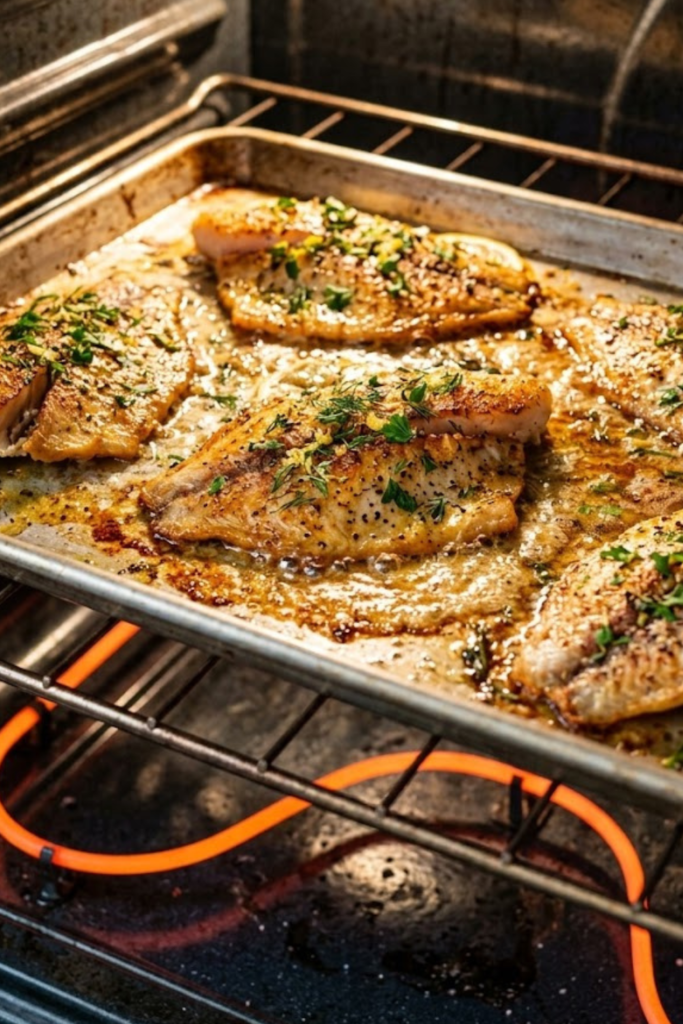
Since then, I’ve learned a few things as a teacher who spends way too much time in the kitchen. First off, stop putting your fish directly on the metal pan. Even if you use a ton of oil, tilapia is so lean that it loves to stick and tear. I always use a piece of parchment paper now. It makes a little safety blanket for the fillet so it slides right off when it’s done. Plus, the cleanup is basically nothing, which is a huge win when you’re tired after a long day at school.
Another trick I picked up is to always pat the fillets dry with a paper towel before you add your oil or seasoning. If there’s too much moisture on the surface, the fish basically boils in its own juices and gets way too soft. Getting that extra water off helps the outside stay firm and hold together. Also, don’t try to move the fish around while it’s in the oven; just let it sit there and do its thing! When you take it out, give it a minute or two to “set” on the pan before you try to lift it. This little bit of resting time helps the proteins firm up so the whole fillet stays in one piece when you move it to your plate.
Tilapia cooks way faster than you might think. Most people overcook it because they’re scared of raw fish. If you leave it in the oven for 20 minutes, you’re basically making fish jerky. I usually set my oven to 400 degrees and check it at exactly 10 or 12 minutes. You want to see the meat go from looking clear to a solid, opaque white. I always do the “fork test” to be sure. I just take a fork and gently poke the thickest part; if it flakes apart easily, it’s ready to eat! Just let it sit for a minute before you plate it, and you’ll have a perfect, restaurant-quality meal.
I really hope this helps you get a healthy dinner on the table without losing your mind after a long day! We went over how to pick the best fillets, making that garlic butter sauce my family loves, and keeping your spinach from turning into a soggy mess. Honestly, cooking fish can feel like a big chore at first, but once you try this Baked Tilapia with Steamed Spinach, you’ll see it’s actually one of the easiest things you can make when you have a million other things to do.
It’s one of those meals that makes you feel good about what you’re eating without having to spend hours at the stove. If you liked this recipe, please pin it to your “Healthy Dinners” board on Pinterest so other busy people can find it too! Happy cooking!