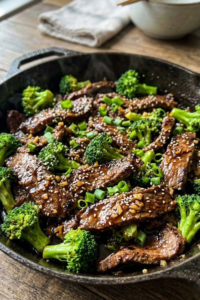
Did you know that lean beef is one of the most nutrient-dense proteins, packed with over 10 essential vitamins like B12 and zinc? I honestly used to think stir fry was something only professionals could pull off without making a soggy mess. It turns out that a Lean Beef and Cabbage Stir Fry is actually the secret weapon of every busy home cook I know! I love how the crunch of the cabbage hits against the savory, tender beef. It’s fast. It’s cheap. Most importantly, it makes me feel like a kitchen rockstar even on a Tuesday night. Let’s get cooking!
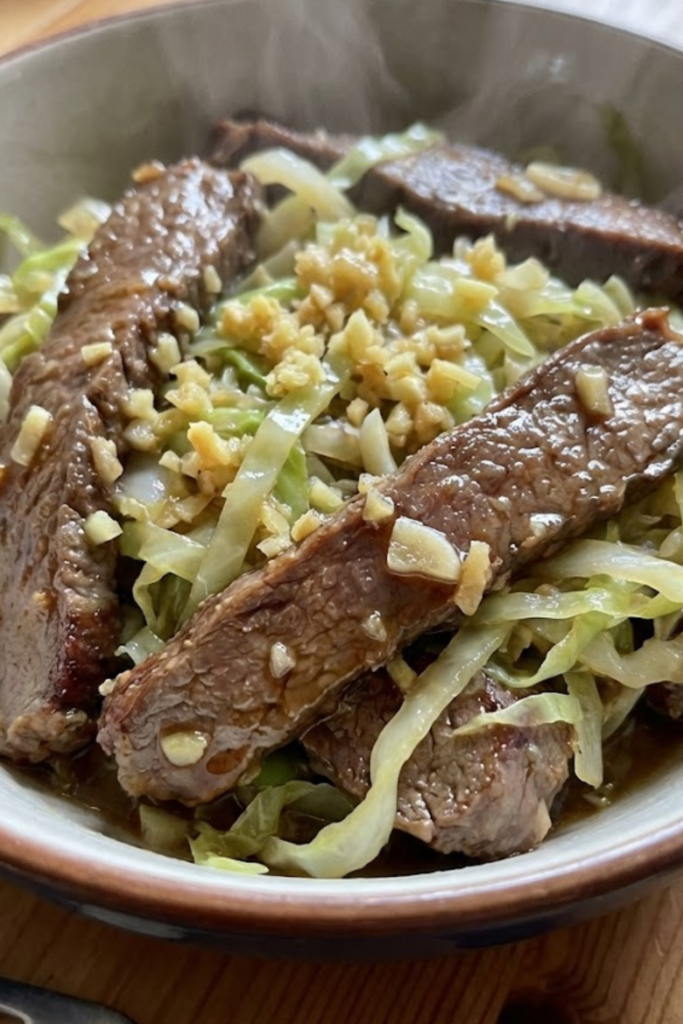
Picking the Best Cut: Lean Beef Selection
So, let’s talk about the beef. Being a teacher, I don’t have all day to prep dinner, but I’ve learned that picking the right meat is the most important part of this whole meal. If you pick the wrong cut, you’re gonna be chewing for an hour. I usually stick with flank steak or sirloin. These are lean cuts, which is good for your health, but they stay tender if you treat them right.
The biggest thing I tell everyone is to look at the grain. See those little lines in the meat? You gotta cut across them, not along them. I forgot to do this once and my kids literally couldn’t eat it. It was like eating rubber bands! Cutting across those lines makes the meat much softer.
Also, try to take the beef out of the fridge about fifteen minutes early. If the meat is ice cold when it hits the hot pan, it just steams and gets gray instead of getting that nice brown crust we want. It’s a simple trick, but it really helps the flavor. Don’t worry about being perfect with your cuts; as long as they are thin, they will cook fast and taste great.

Prepping Your Veggies: Cabbage and Aromatics
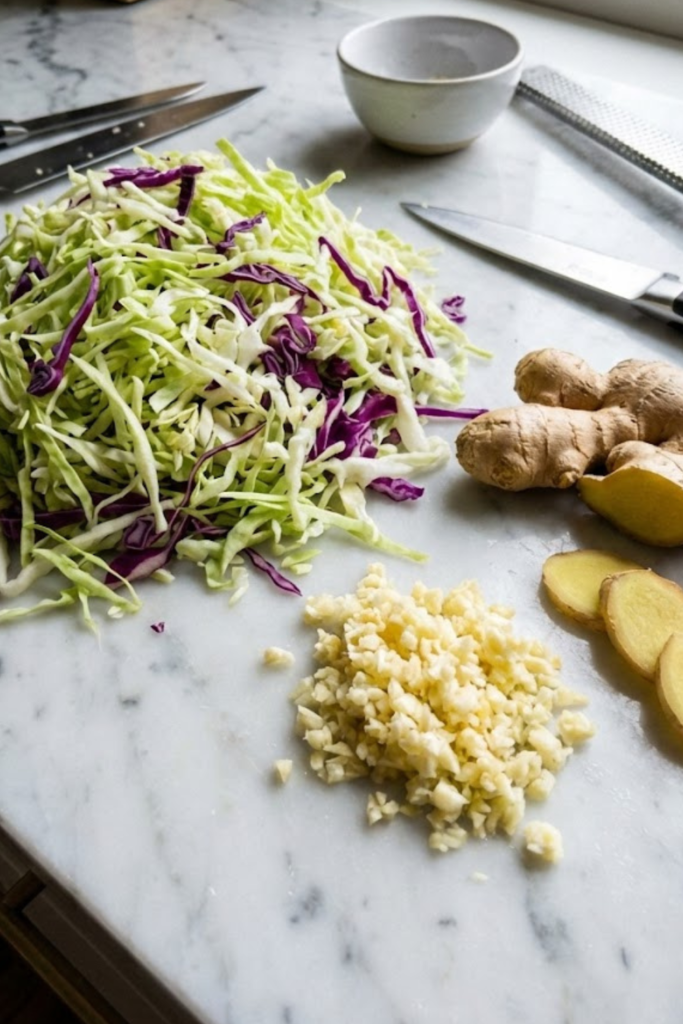
Let’s talk about the cabbage. Most people think it’s kind of boring, but it really makes the meal. I like to shred it pretty thin so it cooks fast but still has a bit of a bite to it. If you cut it too thick, you’ll be chewing all night, and if it’s too thin, it turns into mush. I usually just buy a green cabbage from the store and chop it up myself because it’s cheaper, but those bags of slaw mix work great too if you’re in a hurry.
For the flavor, you can’t skip the garlic and ginger. I always use fresh stuff. I keep a big piece of ginger in my freezer. It sounds weird, but it makes it way easier to grate. You don’t even have to peel it if you don’t want to, but I usually just scrape the skin off with a small spoon. It’s way safer than using a knife. Adding a little bit of color with some sliced carrots or a red pepper makes the plate look a lot better, and it adds some extra vitamins for the kids.
It might seem like a lot of chopping, but once you get the hang of it, it goes fast. I usually do all my chopping before I even turn the stove on. That way, I’m not rushing around trying to cut a carrot while the garlic is burning in the pan.
Mastering the Wok: Cooking Techniques
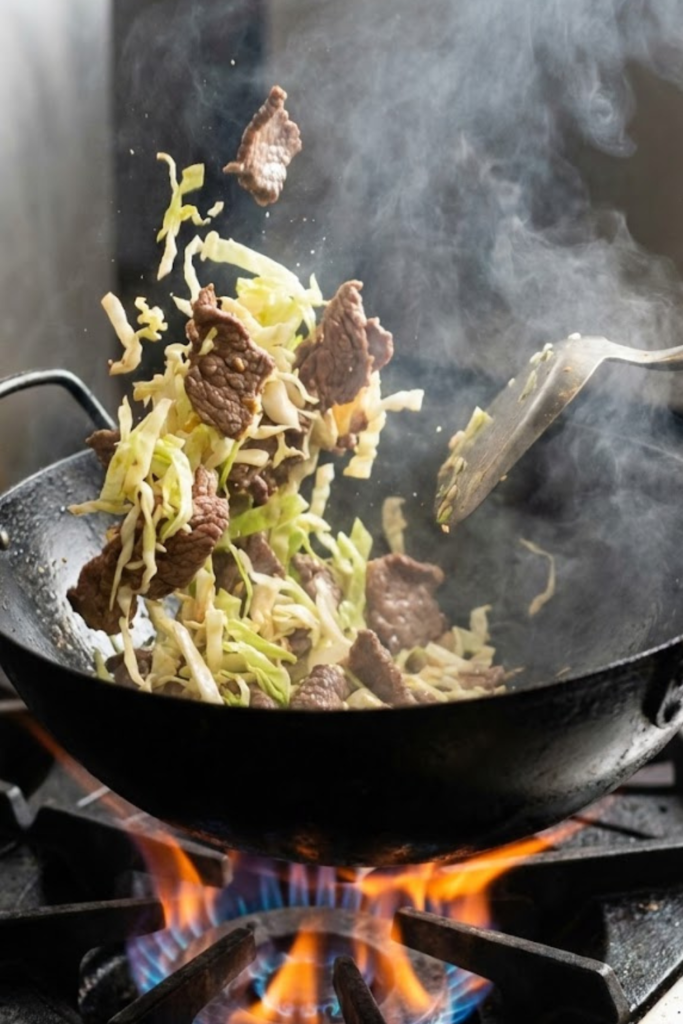
Now, the actual cooking part goes super fast. You really need to get your pan or wok hot—like, really hot. If it’s not smoking just a little bit, it’s probably not ready yet. I used to be scared of the high heat because I thought I’d burn the house down, but that’s the only way to get that restaurant taste. My husband calls it “breath of the wok,” which sounds fancy, but it just means the food gets a nice sear instead of getting soggy.
I usually use vegetable oil or avocado oil for this because they can handle the high heat without smoking you out of the room. Don’t try using butter or extra virgin olive oil here, or you’ll end up with a bitter, burnt taste that nobody wants. You really want to hear a loud sizzle the second that meat touches the metal. If it’s quiet when the beef hits the pan, take it out and wait another minute!
The biggest mistake I see—and I did this for years—is throwing everything in the pan at once. Don’t do it! If you put too much beef in there, the temperature drops and the meat just boils in its own gray juices. Yuck. I always cook the beef in two small batches so it actually browns and stays juicy. Once it’s done, I toss it onto a plate and then do the veggies.
I also keep all my bowls of chopped stuff right next to the stove before I even turn on the gas. Since the whole process takes less time than a commercial break, you can’t be running back and forth to the fridge to grab stuff. Just keep that spoon moving and keep the heat high; you’ll see the cabbage go from a giant pile to a tender side dish in no time. It’s actually kind of fun once you get the rhythm down and see how fast a healthy dinner comes together.
When you add the cabbage, it might look like a huge mountain that won’t fit in the pan. Don’t worry, it shrinks down really fast. I just keep tossing it around with a big spoon or some tongs. If things start sticking, I add a tiny splash of water or the sauce to scrape up those tasty brown bits from the bottom. It takes maybe five or six minutes total once you start. Just stay by the stove because things happen quick!
The Secret Sauce: Balancing Your Flavors
Honestly, the sauce is where the magic happens. I used to buy those pre-made stir fry sauces in the glass jars, but they always tasted like pure salt and sugar. Making your own is way easier than it looks, and you probably have most of the stuff in your pantry already. I usually mix everything in a little jar and shake it up before I even start the stove.
I use low-sodium soy sauce because the regular kind is just too much for me. If you’re trying to stay away from soy, coconut aminos are a great swap—they’re a little sweeter, so you might not need to add any honey. Speaking of sweet, I always put just a tiny bit of honey or brown sugar in there. It helps the sauce stick to the beef and cabbage instead of just running to the bottom of the plate.
Another thing I do is add just a tiny bit of cornstarch to my sauce jar. It makes the sauce get thick and shiny, like what you get at the Chinese takeout place down the street. Without it, the sauce can stay a bit watery, especially since cabbage lets out a lot of its own juice when it hits the heat. I also like to toss in a splash of rice vinegar to the mix. It gives the sauce a little “zing” that cuts through the richness of the beef. If you don’t have vinegar in the cabinet, a squeeze of fresh lime works just as well.
Don’t be afraid to taste the sauce before you pour it in the pan! Sometimes I realize I added too much soy sauce and I have to add a little more water or honey to fix it. Shaking it all up in a small mason jar is my favorite trick because any leftover sauce can just go right in the fridge for next week. It saves me from washing another bowl, which is always a win in my book when I’m tired after school.
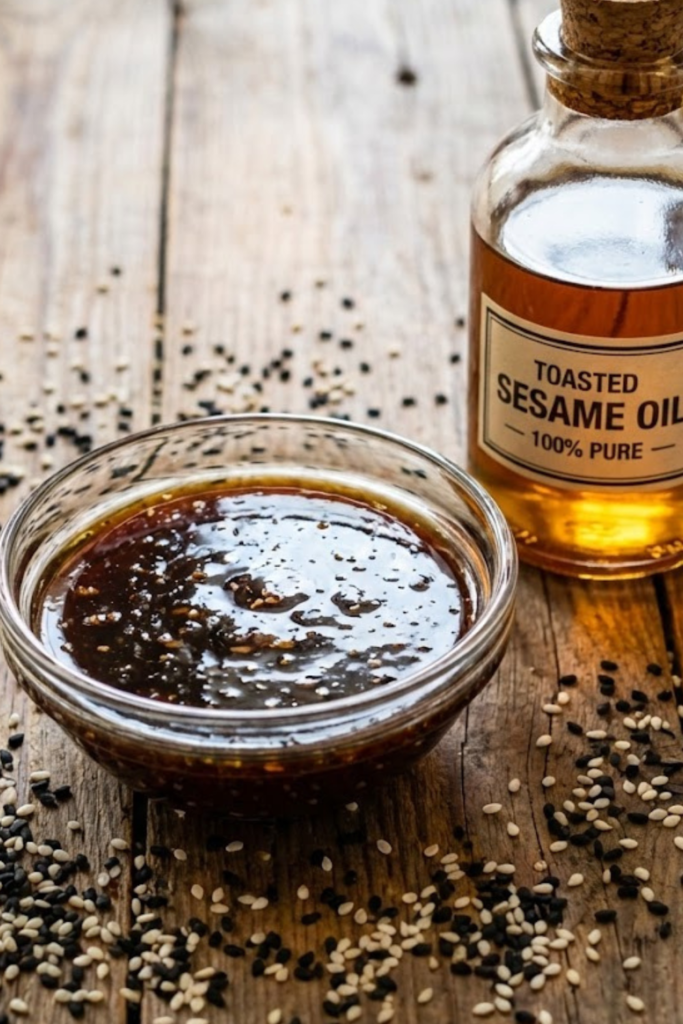
The real secret, though, is the toasted sesame oil. You don’t cook with it at the start because it can burn and taste bitter. Instead, I drizzle a little bit on right at the very end after I turn the heat off. The smell is amazing! If you like things spicy, throw in some red pepper flakes. My husband likes it hot, so I usually leave a jar of flakes on the table so everyone can pick their own spice level.
I really hope you give this Lean Beef and Cabbage Stir Fry a shot tonight. Honestly, cooking a healthy dinner doesn’t have to be a giant chore or something that takes hours of your life. Just remember the big things we talked about: get some lean meat like flank steak, slice it against those little lines (the grain!), and make sure your pan is good and hot. If you do those things, you’re already halfway to a great meal.
Between the crunch of the cabbage and that savory, slightly sweet sauce, it’s a recipe that even my picky eaters at home actually enjoy. Plus, it’s a great way to get some extra veggies in without it feeling like a “diet” meal. If you end up making it, let me know how it turned out! And if you liked this recipe, please share it on Pinterest so your friends can try a fast, healthy dinner too. It really helps me out when you share!