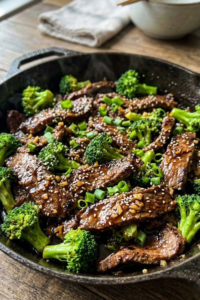
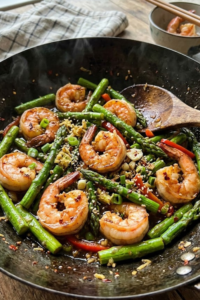
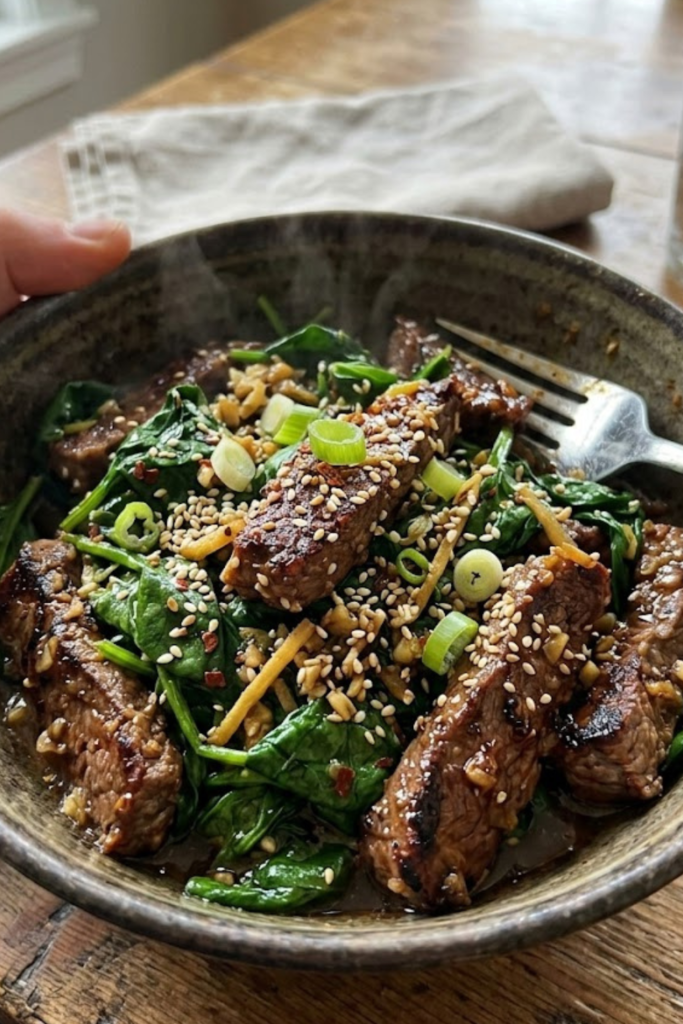
I’ll be honest, my kitchen usually looks like a whirlwind hit it by 6:00 PM. But then I discovered this Lean Beef and Spinach Stir Fry, and it changed my life! Did you know that spinach loses nearly 90% of its volume when cooked? It’s the perfect way to sneak in those iron-rich greens without feeling like you’re eating a lawn. If you’re looking for a meal that is fast, healthy, and actually tastes good, you’ve hit the jackpot!
The Secret to Slicing Beef for Maximum Tenderness
I’ve spent plenty of nights chewing on beef that felt like a rubber band because I was in a rush. It’s frustrating! But I learned a few tricks from an old friend that changed everything. If you want your stir fry to melt in your mouth, you have to focus on how you handle the meat before it even touches the pan.
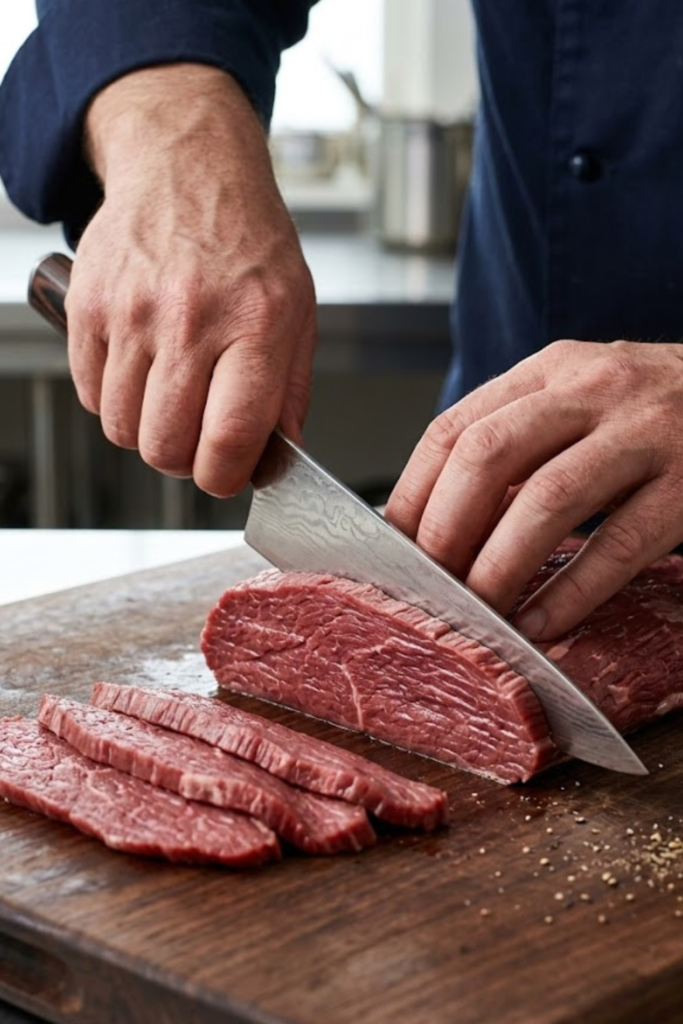
When you look at a piece of raw steak, you’ll notice visible lines running through it—those are the muscle fibers. If you slice in the same direction as those lines, you leave the tough fibers long, making it nearly impossible to chew. By slicing across them, you’re essentially doing the “chewing” with your knife, which makes the beef incredibly soft once it hits the heat. I also found that the thickness of your slices matters just as much as the direction. You want pieces that are thin enough to cook in under two minutes but thick enough that they don’t just shrivel up into nothing. Taking that extra five minutes to prep your meat correctly is the difference between a meal that feels like a chore to eat and one that feels like a treat.
- The Grain Technique: Always look for the long muscle fibers in the steak. You want to cut across those lines, not with them. This shortens the fibers so your teeth don’t have to do the hard work.
- The Freezer Trick: Raw steak is slippery and hard to aim at. Pop your beef in the freezer for about 15 to 20 minutes. It won’t freeze solid, but it gets firm enough that you can slice it paper-thin without it sliding around.
- Choosing the Cut: I usually go for flank steak or sirloin. Flank has a great beefy flavor, but you have to be careful with the grain. Sirloin is a bit more forgiving if you are just starting out.
Mastering the High-Heat Sear
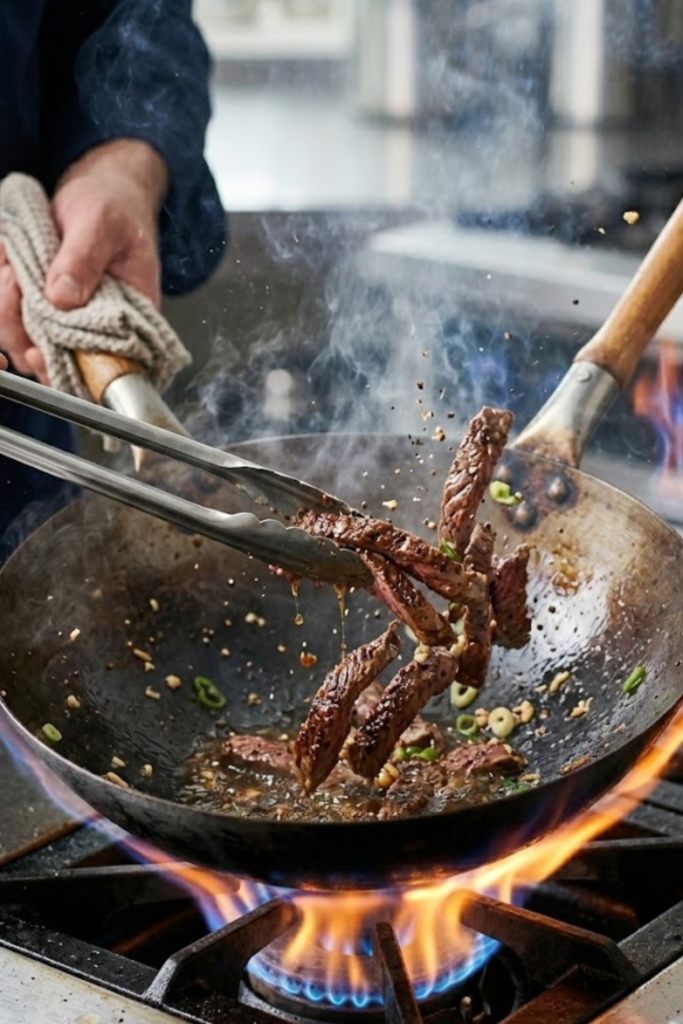
I used to wonder why my home stir fry never tasted like the stuff from the local takeout spot. The beef always came out gray and soggy instead of brown and crispy. The secret, I finally realized, is all about the heat. You want that pan screaming hot before the meat even touches it. If you don’t hear a loud sizzle the second the beef hits the oil, pull it out and wait another minute!
Getting that perfect sear is what chefs call “wok hei,” or the breath of the wok, and it adds a smoky depth you just can’t get with medium heat. I’ve learned that patience is key here; you have to let the pan sit on the burner until you see just a tiny wisps of smoke starting to rise from the oil. When you drop the beef in, resist the urge to stir it immediately. Let it sit for about 30 to 45 seconds so it can develop a dark, caramelized crust—that’s where all the flavor lives. If the meat starts releasing liquid and looking pale, your heat is too low or your pan is too crowded. Keep things moving once that initial crust forms, and you’ll see a massive difference in the texture of your dinner.
- Wok vs. Skillet: A carbon steel wok is the gold standard because it heats up and cools down fast. But don’t worry if you don’t have one; a heavy cast iron skillet works great too because it holds onto heat like a champ.
- Oil Selection: This isn’t the place for butter or extra virgin olive oil—they’ll burn and smoke you out of the kitchen. Use something with a high smoke point like peanut oil or avocado oil.
- Batch Cooking: This is the mistake I made for years. If you dump all the meat in at once, the temperature drops and the beef starts boiling in its own juice. Cook it in two or three small batches so every piece gets that beautiful brown crust.
Why Spinach is the Perfect Stir-Fry Partner
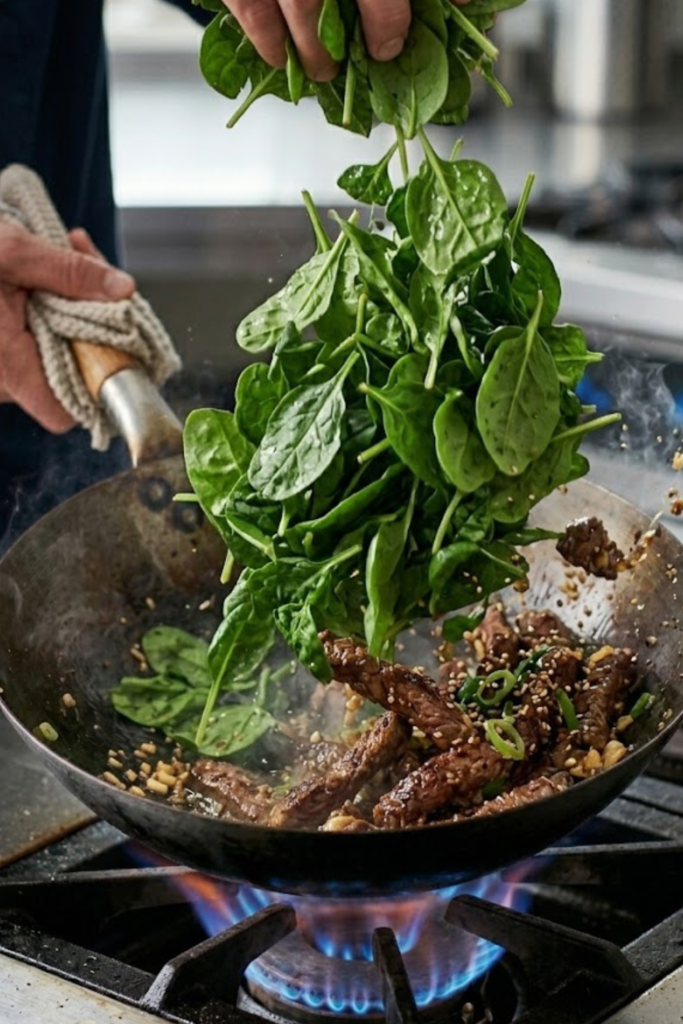
I used to be a bit picky about my greens, but spinach is a total game-changer for a quick dinner. The best part is how it transforms in the pan. You start with a giant pile that looks like it belongs in a salad bowl for ten people, and thirty seconds later, it’s just the right amount of tender, silky ribbons mixed in with your beef.
The magic of using baby spinach specifically is that there’s no chopping required, which saves me so much time when I’m tired after work. I’ve noticed that when you toss the leaves in at the very end, they catch all those little bits of seared beef and garlic that might otherwise get stuck to the bottom of the pan. It’s almost like the spinach cleans the pan for you while becoming part of the meal. Plus, unlike broccoli or carrots, you don’t have to worry about the spinach being undercooked or crunchy; it reaches that perfect, buttery texture in a heartbeat. I really think it’s the most “user-friendly” vegetable for anyone who is still learning how to balance heat and timing in a wok.
- Timing the Wilt: You have to be fast here. If you cook spinach too long, it turns into a soggy mess. I wait until the beef is totally done and the sauce is bubbly, then I toss the leaves on top and kill the heat. The leftover warmth is all you need.
- Nutritional Boost: It’s an easy way to get your vitamins. Since spinach shrinks so much, you end up eating a massive serving of iron and potassium without even realizing it.
- Flavor Absorption: Because the leaves are so thin, they soak up every bit of that garlic and ginger sauce. It’s like a little flavor sponge that makes the vegetables taste just as good as the steak.
How to Master the Perfect Sauce Without the Clumps
I remember the first time I made this. I used way too much cornstarch. My sauce turned into a weird, thick jelly that looked more like hair gel than dinner! Since then, I’ve learned that a little bit goes a long way. You want just enough to coat the back of a spoon so it sticks to the beef.
The trick is to treat your sauce like a finishing glaze rather than a heavy gravy. I usually mix all my liquids in a small jar or glass before I even turn on the stove. This gives the flavors a few minutes to mingle and saves me from scrambling around while the beef is searing at high heat. When you pour the mixture into the hot pan, it will start to bubble almost immediately. Don’t panic! Just keep stirring constantly. You’ll see the color change from a cloudy tan to a deep, glossy brown in about thirty seconds. If it looks too thick, just add a tablespoon of water or beef broth to thin it out. Mastering this balance makes the dish look professional and keeps the beef from getting weighted down by a heavy, sticky coating. It really is the step that takes your cooking from a basic home meal to something that feels like it came from a restaurant kitchen.
Sauce Pro-Tips
- Always mix your cornstarch with cold water first. If you add it straight to the hot pan, it clumps up instantly and you’ll be picking little white balls out of your meal for twenty minutes.
- I like to use low-sodium soy sauce so I can control the saltiness myself without the dish becoming overwhelming.
- Sometimes I even add a splash of rice vinegar for a little “zing” that cuts through the richness of the beef. Trust me, your taste buds will thank you for that tiny bit of acid! It really wakes up the whole dish and brings out the earthy flavor of the spinach.
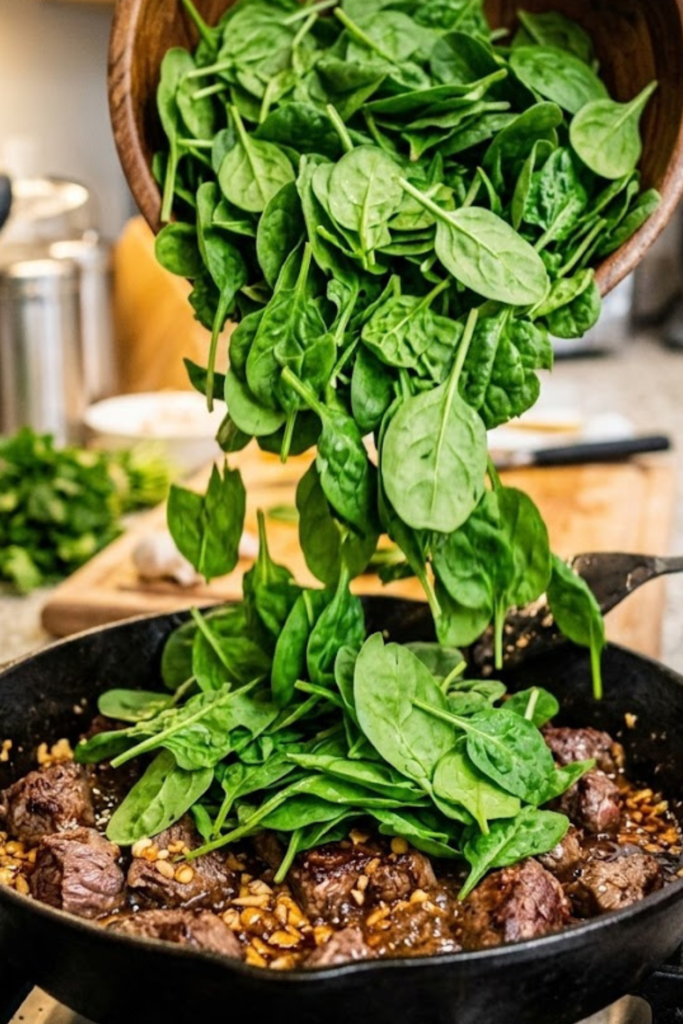
This Lean Beef and Spinach Stir Fry is proof that healthy eating doesn’t have to be boring or take all night. It’s fast, packed with protein, and honestly, it’s better than takeout! I’ve found that having a few “emergency” recipes like this one keeps me from ordering pizza when I’m exhausted. It’s a great feeling to sit down to a hot, home-cooked meal only fifteen minutes after walking through the front door. You can easily swap the spinach for kale or bok choy if you want to mix things up, making this a base recipe you’ll use for years. I really hope this becomes a staple in your house just like it has in mine. If you loved this recipe, please pin it to your favorite Pinterest board so others can enjoy it too!