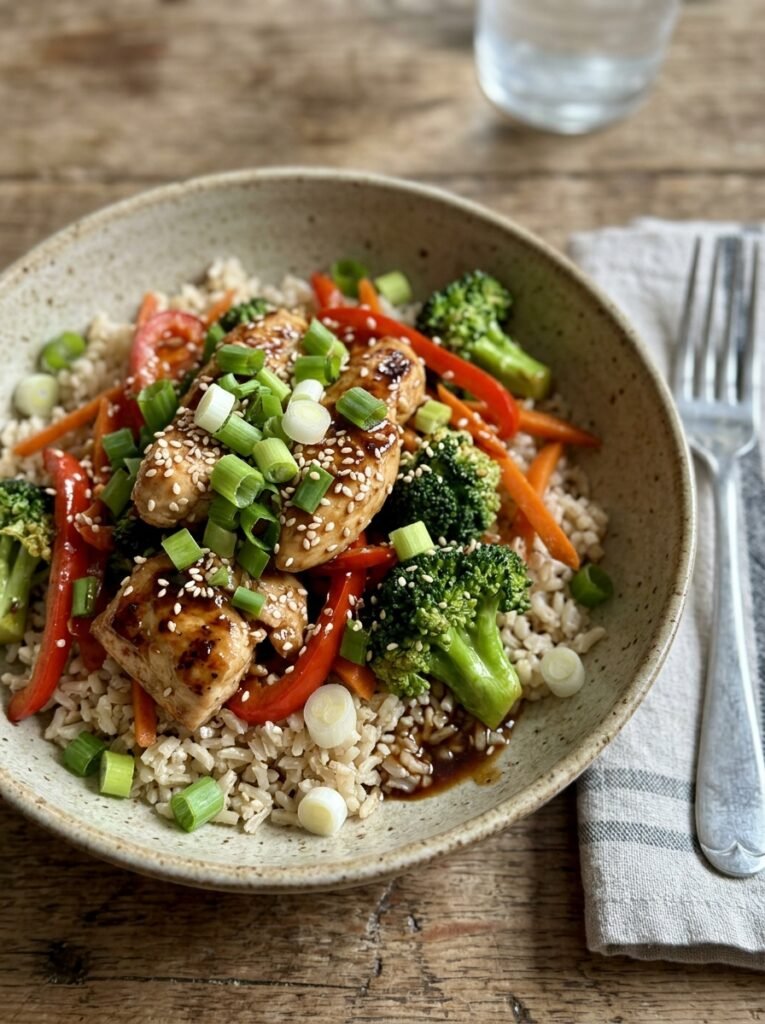
A high protein low calorie rice bowl is a balanced meal combining lean protein, fiber-rich vegetables, and portion-controlled rice to support fitness goals. This bowl delivers maximum nutrition with minimal calories, making it ideal for weight management and muscle building. The combination of chicken, vegetables, and fluffy rice creates a satisfying texture and flavor profile. Enjoy a complete, macro-friendly meal in one easy bowl.
| Prep Time | Cook Time | Total Time | Servings | Difficulty | Cuisine |
|---|---|---|---|---|---|
| 15 minutes | 20 minutes | 35 minutes | 4 | Easy | Asian-Inspired |
Why This Recipe Works
This high protein low calorie rice bowl succeeds because it uses lean chicken breast, which provides over 30 grams of protein per serving without excess fat. I rely on brown rice for its complex carbohydrates and fiber, which keeps you full longer than white rice. The vegetable mix adds volume, color, and micronutrients while contributing very few calories. The sauce uses low-sodium soy sauce and fresh ginger for flavor without heavy sodium or sugar. My experience shows this bowl supports energy levels for workouts and recovery while helping manage calorie intake.
The cooking method is simple and repeatable for busy weeknights. You can prep the components ahead for quick assembly during lunch or dinner. This recipe is versatile and fits into many dietary plans, including gluten-free adaptations. The final result is a restaurant-quality bowl you can make at home.
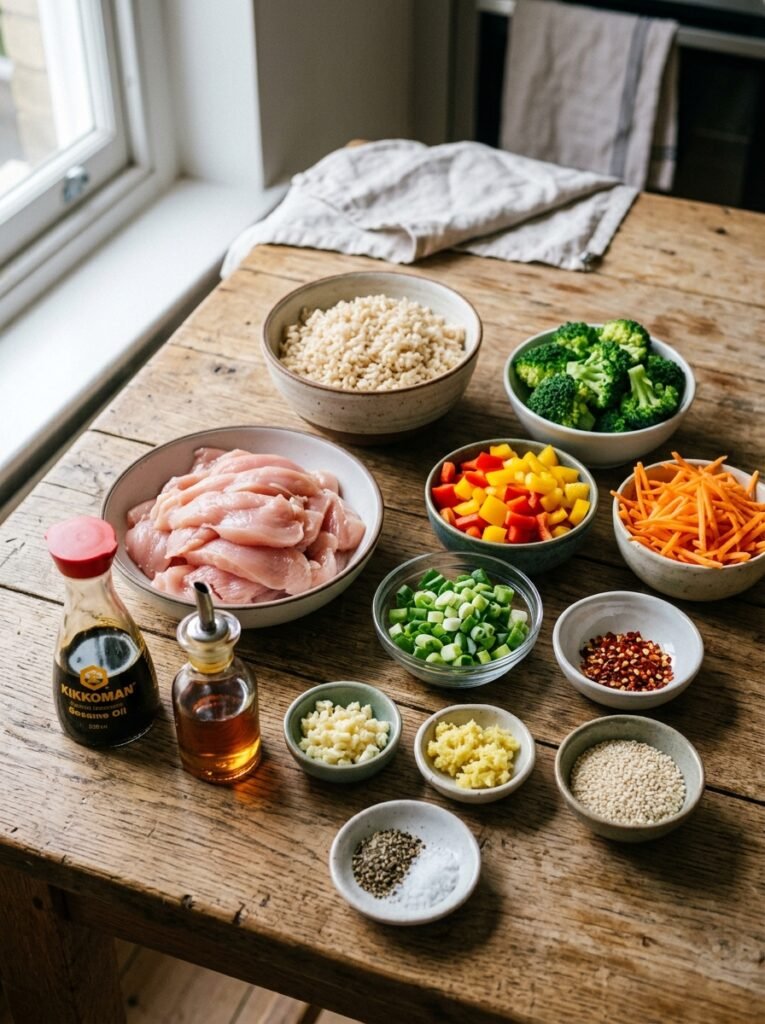
Ingredients
| Ingredient | Quantity | Notes with alternatives |
|---|---|---|
| Chicken breast, boneless skinless | 1 pound | Substitute with firm tofu or turkey breast for different protein. |
| Brown rice, uncooked | 1 cup | Substitute with cauliflower rice for fewer carbs and calories. |
| Broccoli florets | 2 cups | Substitute with green beans or asparagus for variety. |
| Red bell pepper | 1 large, sliced | Substitute with yellow bell pepper or snap peas. |
| Carrots, julienned | 1 cup | Substitute with shredded cabbage or zucchini. |
| Low-sodium soy sauce | 3 tablespoons | Substitute with tamari or coconut aminos for gluten-free. |
| Toasted sesame oil | 1 teaspoon | Substitute with olive oil for a neutral flavor. |
| Fresh ginger, minced | 1 tablespoon | Substitute with ground ginger, using less quantity. |
| Garlic, minced | 2 cloves | Substitute with garlic powder if fresh is unavailable. |
| Scallions, sliced | 2 stalks | Substitute with chives or parsley for garnish. |
| Sesame seeds | 1 teaspoon | Substitute with chia seeds or omit for allergen-free. |
Step-by-Step Instructions
Prep the Rice and Vegetables
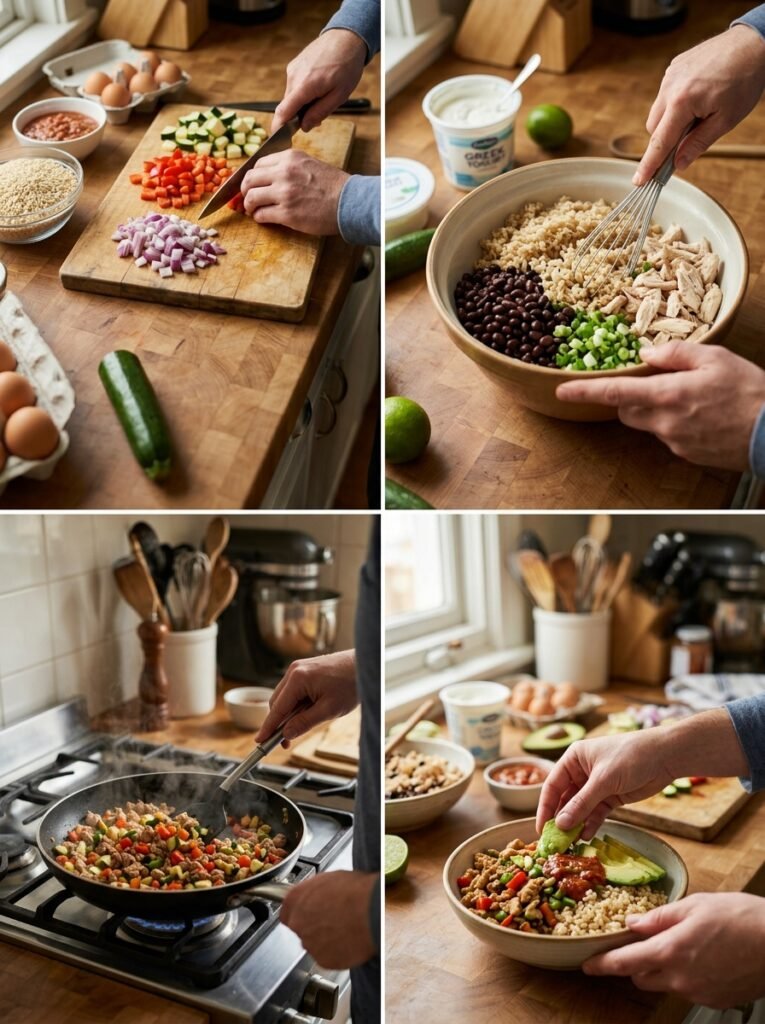
Rinse brown rice under cold water until the water runs clear. Cook rice according to package directions or in a rice cooker for fluffy texture. While rice cooks, wash and chop all vegetables into uniform pieces for even cooking. Set aside a large skillet or wok for stir-frying the protein and vegetables together.
Cook the Protein
Cut chicken breast into bite-sized cubes for quick cooking and easy eating. Heat a non-stick skillet over medium-high heat with a light spray of oil. Add chicken and cook, stirring occasionally, until it reaches 165°F and is no longer pink inside. Remove chicken to a plate and keep warm to retain moisture.
Stir-Fry the Vegetables
In the same skillet, add broccoli, bell pepper, carrots, and a splash of water to steam. Stir-fry for 5-6 minutes until vegetables are tender-crisp and vibrant. Add minced garlic and ginger, cooking for 30 seconds to release aroma without burning. Return chicken to the pan and toss to combine.
Make the Sauce
Whisk together low-sodium soy sauce, toasted sesame oil, and a pinch of black pepper. Pour the sauce over the chicken and vegetable mixture, tossing to coat evenly. Simmer for 1-2 minutes to thicken slightly and meld flavors. Taste and adjust seasoning if needed, keeping sodium in check.
Assemble the Bowl
Divide the cooked brown rice among four bowls. Top each bowl with the chicken and vegetable mixture. Garnish with sliced scallions and sesame seeds for texture and color. Serve immediately while warm for the best taste and texture.
Chef Tips for Perfect Results
- Use a meat thermometer to ensure chicken is cooked to 165°F for safety without overcooking.
- Don\’t overcrowd the pan when cooking chicken; cook in batches for better browning and juiciness.
- Toast sesame seeds in a dry pan for 1-2 minutes to enhance nutty flavor before garnishing.
- Steam broccoli briefly before stir-frying to reduce cooking time and preserve bright green color.
- Add a squeeze of fresh lime at the end for brightness without extra calories or sodium.
Common Mistakes to Avoid
- Using high-sodium soy sauce increases sodium content; choose low-sodium versions to keep calories and salt in check.
- Overcooking chicken makes it dry; monitor temperature and remove from heat promptly to retain moisture.
- Skipping the rinse on brown rice can leave excess starch, leading to gummy texture instead of fluffy grains.
- Adding sauce too early can burn garlic and ginger; add them late to preserve aroma and flavor.
- Using a crowded pan prevents browning; cook in batches to achieve caramelization for better taste.
Variations and Substitutions
| Ingredient | Substitution | Impact on Flavor |
|---|---|---|
| Chicken breast | Extra-firm tofu | Milder, absorbs sauce well; adds plant-based protein. |
| Brown rice | Cauliflower rice | Lower calories, lighter texture; less carbohydrate content. |
| Low-sodium soy sauce | Coconut aminos | Sweeter, slightly milder; no soy allergen. |
| Toasted sesame oil | Olive oil | Neutral flavor; reduces sesame aroma. |
| Broccoli | Green beans | Crunchier texture; slightly different veggie taste. |
Serving Suggestions and Pairings
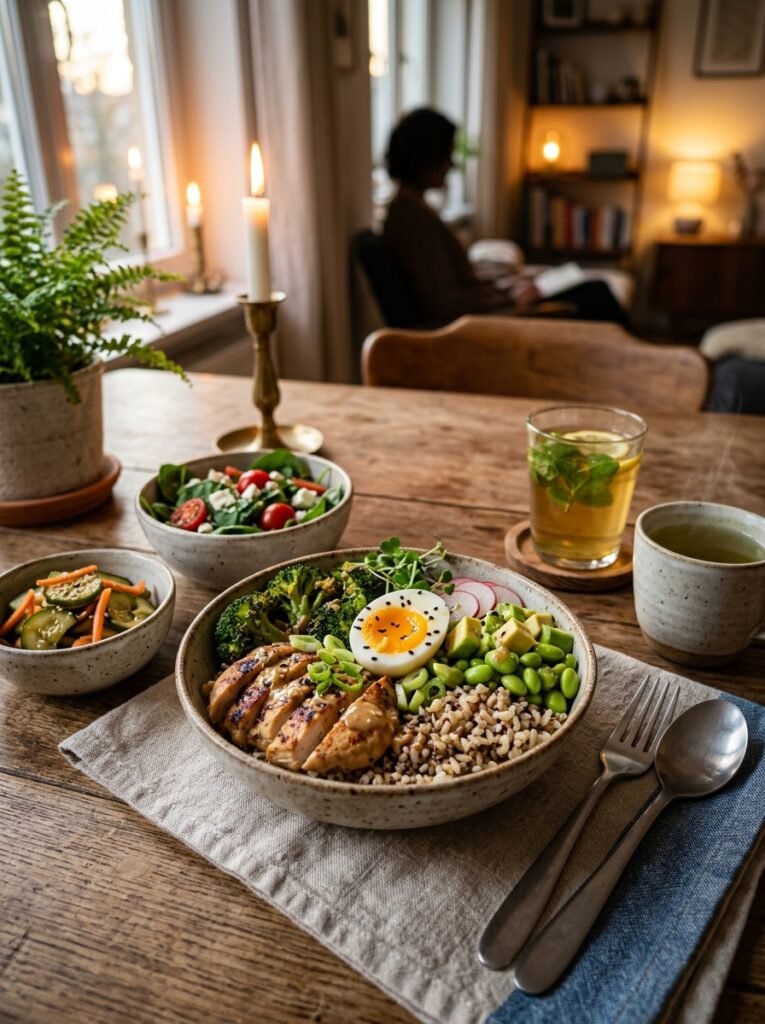
Serve this high protein low calorie rice bowl as a weekday lunch for sustained energy or a post-workout dinner for muscle recovery. Pair with a side of miso soup or a small seaweed salad for a complete Japanese-inspired meal. For family dinners, add a light cucumber salad with rice vinegar dressing. This bowl fits well into meal prep for busy professionals and fitness enthusiasts. It is ideal for calorie-conscious eating plans and gluten-free diets with simple swaps.
Storage and Reheating
| Method | Duration | Instructions |
|---|---|---|
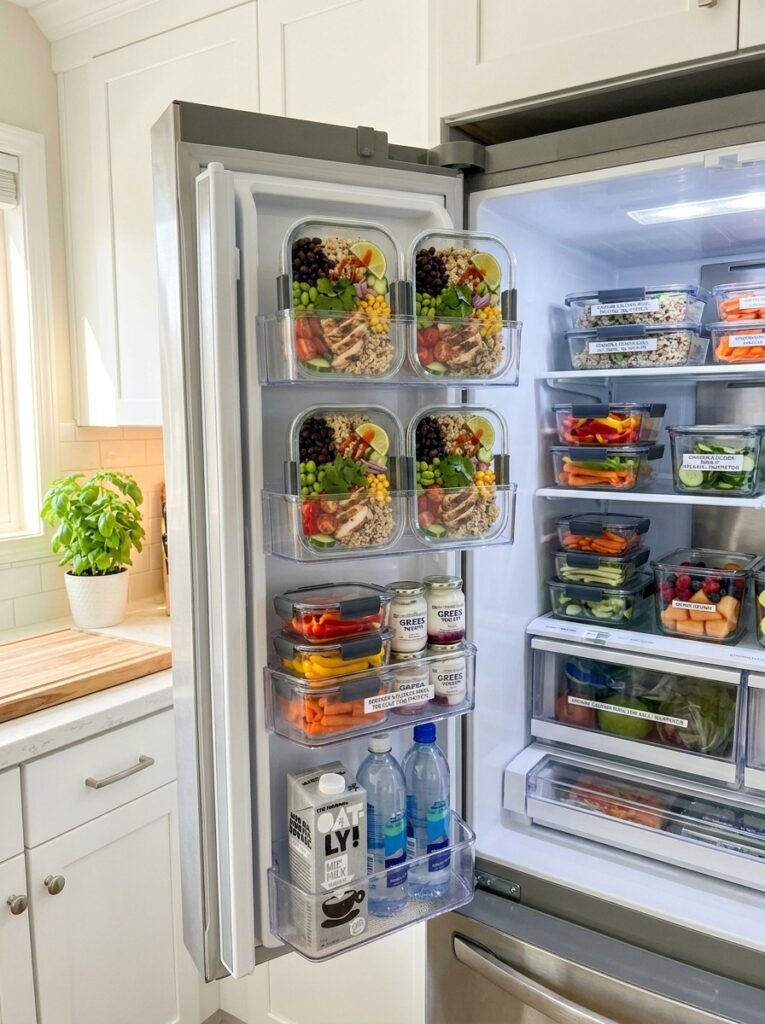
| Refrigerator | 3-4 days | Cool completely, store in airtight containers, layer rice at bottom to prevent sogginess. |
| Freezer | 2-3 months | Freeze rice and protein separately, thaw overnight before reheating for best texture. |
| Reheat Microwave | 2-3 minutes | Use a microwave-safe dish, cover, and add a splash of water to steam gently. |
| Reheat Stove | 5-7 minutes | Warm in a skillet over medium heat, stir frequently to heat evenly. |
Nutritional Information
| Nutrient | Amount per Serving |
|---|---|
| Calories | 350 kcal |
| Protein | 32 g |
| Fat | 8 g |
| Carbohydrates | 38 g |
| Fiber | 6 g |
| Sugar | 4 g |
| Sodium | 450 mg |
Approximate values. See USDA FoodData Central for detailed nutrition data. For more healthy recipes, visit our recipe hub.
Frequently Asked Questions
Can I make this high protein low calorie rice bowl with chicken breast alternatives?
You can use turkey breast or firm tofu as a substitute for chicken breast. These alternatives provide similar protein amounts with minimal fat. Cook tofu until golden to improve texture and flavor absorption.
How do I know when the chicken is done without a thermometer?
Cut a piece in the thickest part; juices should run clear and meat should be opaque. No pink should remain, and the texture should be firm yet tender. Avoid overcooking to prevent dryness.
Why is my brown rice mushy after cooking?
Mushy rice often results from too much water or skipping the rinse step. Rinse rice thoroughly to remove excess starch and use the correct water ratio. Let rice rest covered for 10 minutes before fluffing.
Can I prepare this high protein low calorie rice bowl ahead for meal prep?
Yes, cook components separately and store in airtight containers for up to four days. Assemble bowls before eating to maintain texture. Add garnish like scallions just before serving for freshness.
Is this bowl suitable for a gluten-free diet?
Replace low-sodium soy sauce with tamari or coconut aminos to make it gluten-free. Ensure all sauces and spices are certified gluten-free. Brown rice and vegetables are naturally gluten-free.
How can I reduce calories further without losing protein?
Swap brown rice for cauliflower rice to lower carbohydrates and total calories. Use extra vegetables for bulk and keep the chicken portion the same. This keeps protein high while reducing overall energy.
What is the best oil for stir-frying this bowl?
Use toasted sesame oil for flavor or a light olive oil spray for fewer calories. A high-smoke point oil prevents burning and maintains nutrition. Measure oil carefully to control fat intake.
Can I freeze the assembled bowl for later?
Freeze the protein and rice separately for best texture. Assemble after thawing to prevent soggy vegetables. Thaw overnight in the refrigerator and reheat thoroughly before serving.
How do I add more flavor without extra calories?
Use fresh garlic, ginger, and a squeeze of citrus for bright flavor. Herbs like cilantro or basil add aroma without calories. Keep sauces low-sodium to control salt while boosting taste.
What occasions are ideal for serving this bowl?
This bowl suits weekday lunches, post-workout dinners, and calorie-conscious gatherings. Pair with light sides for a complete meal at family dinners. It also works well for meal prep days.
Conclusion
This high protein low calorie rice bowl delivers a balanced meal that supports fitness and wellness goals with satisfying taste. Use fresh ingredients, careful portioning, and simple cooking methods for consistent results. The ginger-soy signature flavor keeps you coming back for more. Prepare this bowl today for a nutritious, delicious, and practical dinner option.
Print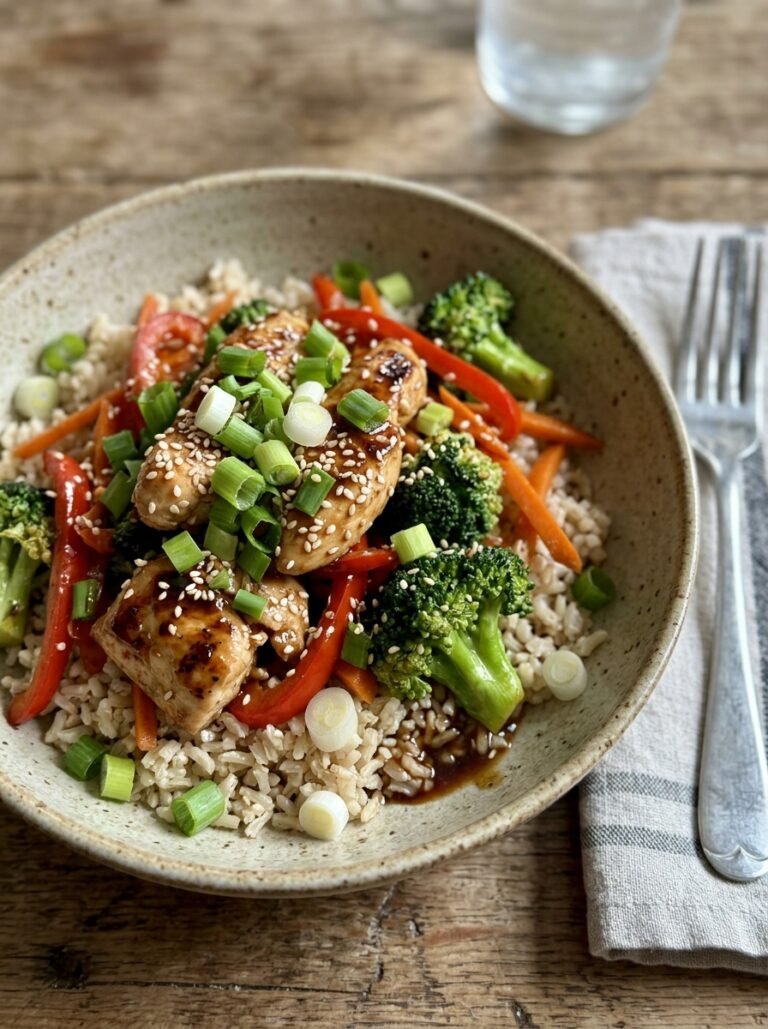
High Protein Low Calorie Rice Bowl
A balanced Asian-inspired rice bowl featuring lean chicken breast, fiber-rich vegetables, and nutrient-packed brown rice. Perfect for fitness enthusiasts seeking a satisfying meal that’s high in protein and low in calories, supporting muscle building and weight management goals.
- Total Time: 35
- Yield: 4 servings 1x
Ingredients
1 pound boneless skinless chicken breast
1 cup uncooked brown rice
2 cups broccoli florets
1 large red bell pepper, sliced
1 cup julienned carrots
3 tablespoons low-sodium soy sauce
1 teaspoon toasted sesame oil
1 tablespoon grated ginger
2 cloves minced garlic
2 scallions, sliced
Instructions
Cook brown rice according to package instructions
Pat chicken breast dry and season with salt and pepper
Heat 1 tsp sesame oil in a pan over medium-high heat
Cook chicken for 5-7 minutes per side until fully cooked, set aside
Bring water to a boil for the rice, then simmer until tender
Meanwhile, steam broccoli florets for 4-5 minutes
Sauté sliced bell pepper, julienned carrots, grated ginger, and minced garlic in the same pan for 2-3 minutes
Toss cooked rice with steamed broccoli and sautéed veggies if desired
Assemble bowls with rice, chicken, veggie mixture, and drizzle with soy sauce
Notes
Substitute chicken breast with firm tofu or turkey breast for alternative protein sources
Replace brown rice with 2 cups cauliflower rice for a low-carb option
Vegetable substitutions include green beans or asparagus instead of broccoli, yellow bell pepper or snap peas in place of red bell pepper
- Prep Time: 15
- Cook Time: 20
- Category: Low Calorie Meals
- Method: Stir-frying
- Cuisine: Asian-Inspired
- Diet: High-Protein, Low-Calorie
Nutrition
- Serving Size: 1 bowl
- Calories: 300
- Sugar: 1g
- Sodium: 225mg
- Fat: 10g
- Saturated Fat: 1g
- Carbohydrates: 50g
- Fiber: 5g
- Protein: 35g
- Cholesterol: 70mg