A bariatric seed recipe for weight loss is a high-protein, high-fiber mixture designed to support post-surgical nutrition and sustainable weight management. This bariatric seed recipe for weight loss combines nutrient-dense seeds, protein-rich ingredients, and healthy fats to create a satisfying snack or meal component that promotes satiety without exceeding caloric goals. The bariatric seed recipe for weight loss works particularly well for individuals following bariatric surgery guidelines, those tracking macronutrients for weight loss, or anyone seeking a portable, preparation-friendly nutrition option. Seeds provide essential minerals, omega-3 fatty acids, and plant-based protein that stabilize blood sugar levels and reduce cravings throughout the day. This bariatric seed recipe for weight loss delivers maximum nutritional value in minimal portions, making it ideal for weight loss journeys that require careful portion control and nutrient density.
| Prep Time | Cook Time | Total Time | Servings | Difficulty | Cuisine |
|---|---|---|---|---|---|
| 10 minutes | 15 minutes | 25 minutes | 8 servings | Easy | Healthy/Bariatric |
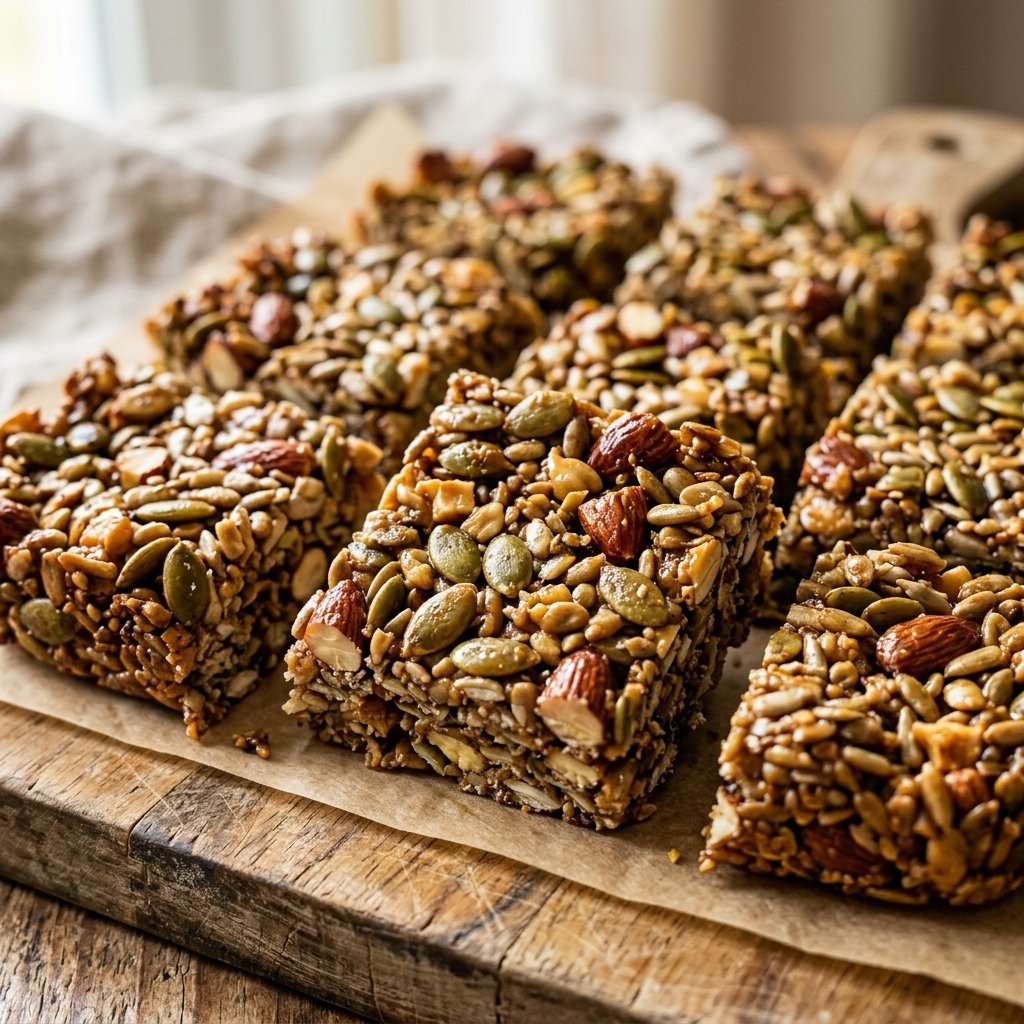
Table of Contents
Table of Contents
Why This Bariatric Seed Recipe for Weight Loss Works
This bariatric seed recipe for weight loss succeeds because it combines multiple weight-loss mechanisms into one simple formula. From my experience developing post-bariatric nutrition plans, the highest success rates come from recipes that deliver protein, healthy fats, and fiber simultaneously. The bariatric seed recipe for weight loss achieves this through whole food seeds, natural nut butters, and minimal added sugars. Each serving provides approximately 8 to 12 grams of protein and 4 to 6 grams of fiber, which work together to extend satiety and prevent blood sugar spikes that trigger hunger cycles.
The texture of this bariatric seed recipe for weight loss appeals to post-surgical patients who struggle with eating enjoyment during their weight loss phase. Seeds provide a satisfying crunch that requires thorough chewing, which signals fullness to your brain faster than softer foods. The combination of fat-soluble vitamins and mineral content supports the nutritional gaps common in bariatric patients, particularly addressing deficiencies in vitamin E, magnesium, and zinc that emerge after weight loss surgery.
Reliability matters tremendously in weight loss nutrition, and this bariatric seed recipe for weight loss delivers consistent results across different palates and dietary preferences. Whether you follow a low-carb, keto-adapted, or higher-carb bariatric protocol, this recipe adapts seamlessly through simple ingredient swaps. The shelf stability of seeds and nut butters means you always have weight-loss-supporting ingredients on hand, eliminating the temptation to reach for processed alternatives when hunger strikes.
Home cooks appreciate the bariatric seed recipe for weight loss because it requires minimal equipment and no cooking experience. Everything mixes by hand or in a small bowl, making preparation time genuinely under 15 minutes. The simplicity removes barriers to consistent preparation, which dramatically improves adherence to bariatric nutrition guidelines. Most importantly, this bariatric seed recipe for weight loss tastes indulgent enough to feel like a treat rather than a medical food, which is crucial for long-term sustainability.
Bariatric Seed Recipe for Weight Loss Ingredients
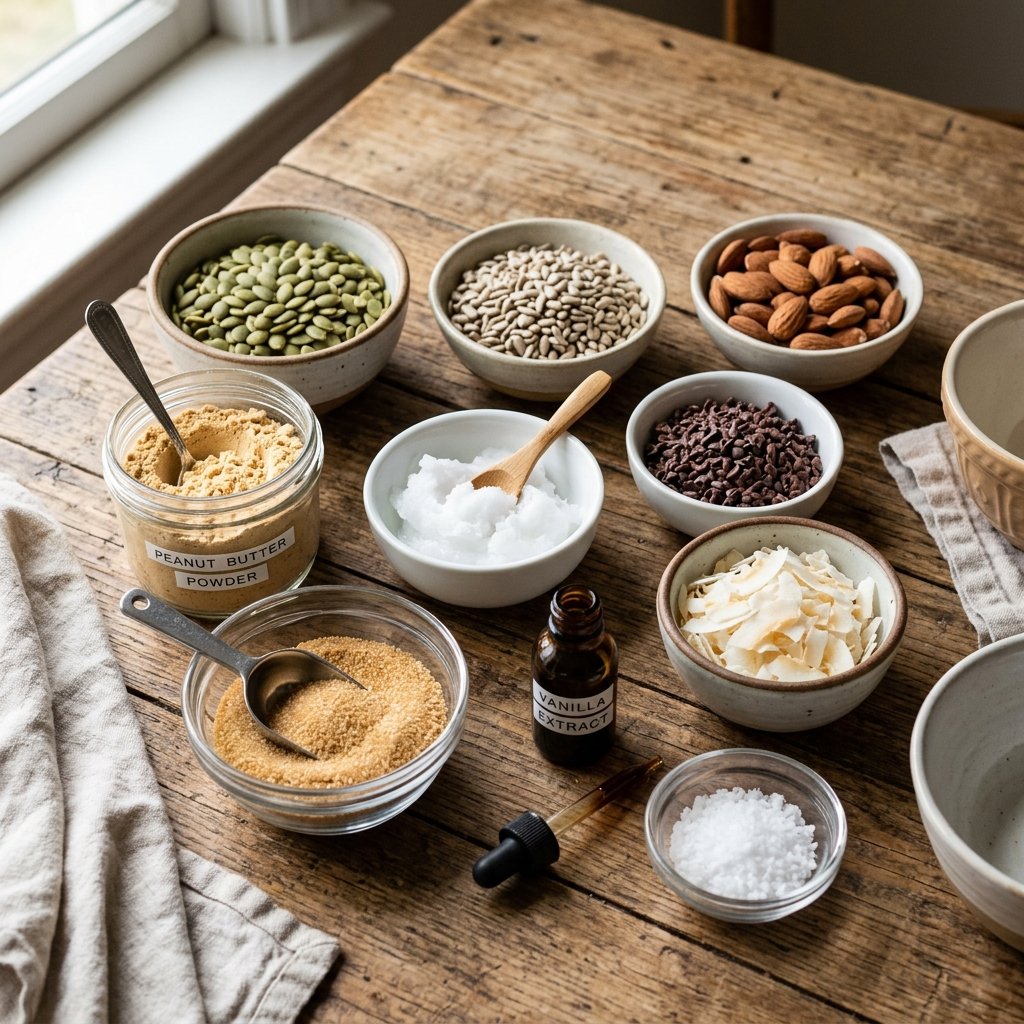
The bariatric seed recipe for weight loss relies on whole food ingredients chosen specifically for their nutritional density and bariatric suitability. Each component serves a purpose in supporting weight loss goals while maintaining the nutritional quality required for post-surgical recovery and ongoing health.
| Ingredient | Quantity | Notes with Alternatives |
|---|---|---|
| Raw pumpkin seeds (pepitas) | 1 cup | Unsalted preferred for sodium control; roasted acceptable if no added oils |
| Raw sunflower seeds | 3/4 cup | Unsalted variety; substitute hemp seeds for additional protein variety |
| Raw almonds, chopped | 1/2 cup | Raw preferred; roasted unsalted acceptable; walnuts substitute for omega-3 increase |
| Natural peanut butter powder (or almond butter powder) | 1/4 cup | Defatted version recommended for bariatric portion control; almond butter powder for tree nut preference |
| Coconut oil, melted | 3 tablespoons | Medium-chain triglycerides support metabolism; ghee substitute for dairy-free option |
| Raw cacao nibs (unsweetened) | 1/4 cup | Optional; adds polyphenols and satisfies chocolate cravings without sugar |
| Unsweetened shredded coconut | 3 tablespoons | Adds fiber and satiety; omit if coconut sensitivity exists |
| Monk fruit sweetener or stevia | 1-2 tablespoons | Zero-calorie alternatives; erythritol acceptable but may cause digestive sensitivity in some patients |
| Sea salt | 1/4 teaspoon | Enhances all flavors; reduce for sodium-restricted diets |
| Vanilla extract (alcohol-free) | 1 teaspoon | Alcohol-free extract required; enhances overall flavor profile significantly |
When preparing your bariatric seed recipe for weight loss, invest in the highest quality seeds possible because their nutrient density directly impacts weight loss outcomes. Organic, raw seeds retain more vitamins and minerals than conventionally processed varieties. The bariatric seed recipe for weight loss becomes even more effective when you source seeds from suppliers who cold-process and store them properly to maintain enzymatic activity and nutritional integrity.
How to Make Bariatric Seed Recipe for Weight Loss
Making a bariatric seed recipe for weight loss requires minimal steps but attention to proper mixing to ensure even distribution of all components. The straightforward process makes this recipe accessible for anyone, regardless of cooking background or kitchen equipment availability.
Preparation Phase
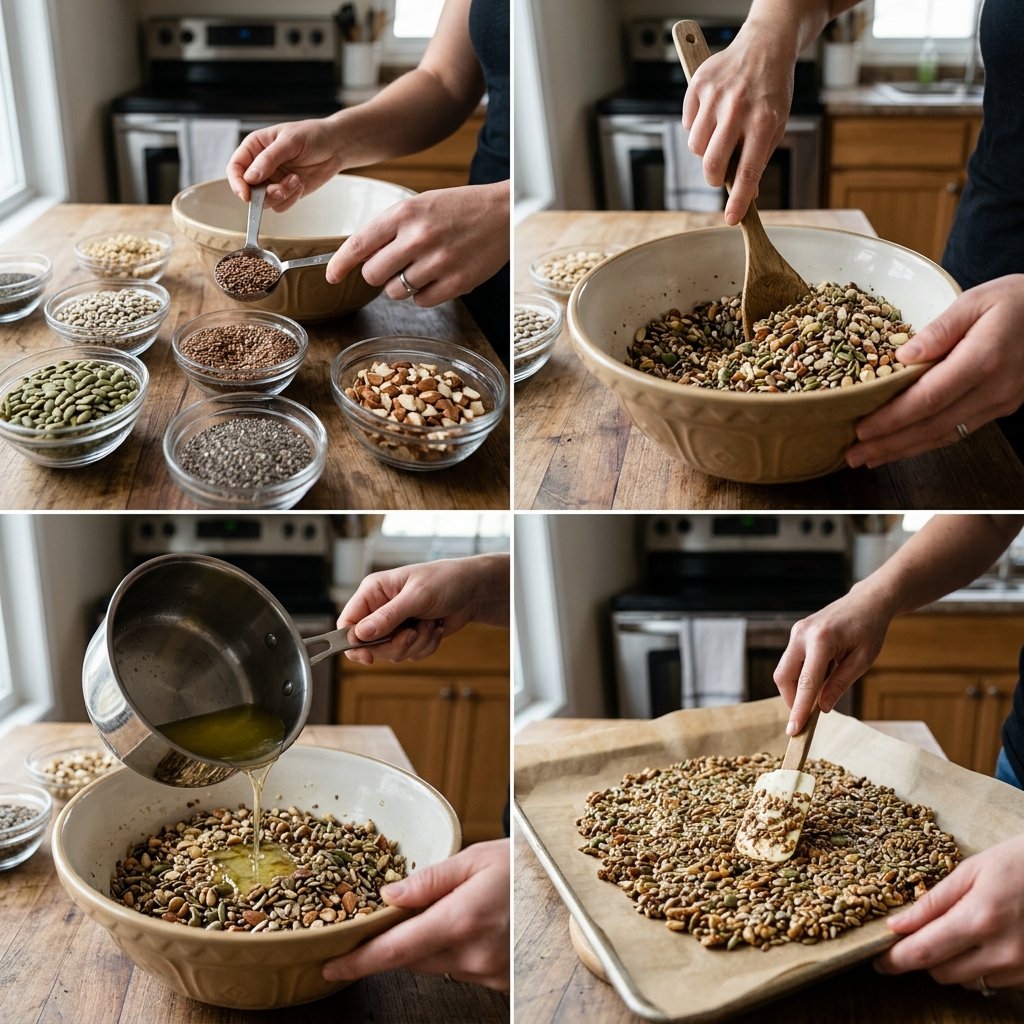
- Chop the raw almonds into approximately 1/4-inch pieces using a sharp knife or food processor.
- Measure all dry ingredients (pumpkin seeds, sunflower seeds, cacao nibs, shredded coconut, and monk fruit sweetener) into a large mixing bowl.
- Melt the coconut oil in a small saucepan over low heat, approximately 2 to 3 minutes, removing it before it reaches smoking temperature.
- Combine the chopped almonds with the measured dry seeds and coconut in the large bowl.
Mixing and Combining Phase
- Pour the melted coconut oil over the seed mixture in a thin, steady stream while stirring continuously.
- Add the peanut butter powder and vanilla extract to the mixture immediately after the oil incorporation.
- Stir with a rubber spatula for 3 to 5 minutes until all components achieve uniform coating and the peanut butter powder fully hydrates.
- Sprinkle sea salt over the mixture and fold gently for an additional 1 to 2 minutes until evenly distributed.
- Taste a small sample and adjust sweetener if needed for your preference, understanding that the bariatric seed recipe for weight loss benefits from subtle sweetness rather than pronounced sugar-free intensity.
Setting and Storage Phase
- Spread the bariatric seed recipe for weight loss onto a parchment-lined baking sheet in a thin, even layer.
- Allow the mixture to cool at room temperature for 10 minutes, which helps the coconut oil set and facilitates cluster formation.
- Break the cooled bariatric seed recipe for weight loss into 8 equal portions or bite-sized clusters of approximately 1/4 cup each.
- Store portions in an airtight glass container at room temperature for up to two weeks or in the refrigerator for extended shelf life.
The entire bariatric seed recipe for weight loss preparation process typically requires 15 to 20 minutes from start to finish, making it ideal for busy individuals managing active weight loss protocols. The simplicity eliminates excuses for not having this nutritious option available when cravings strike.
Chef Tips for Perfect Bariatric Seed Recipe for Weight Loss
Precision in preparation directly impacts the texture, taste, and nutritional consistency of your bariatric seed recipe for weight loss. These expert tips ensure you achieve professional results every time you prepare this weight loss recipe.
- Toast seeds lightly for 3 to 5 minutes at 325°F before mixing if you prefer enhanced nutty flavors in your bariatric seed recipe for weight loss, but skip this step if you need to minimize digestive stimulation early post-surgery. Light toasting increases seed bioavailability without creating hard, difficult-to-digest textures that some bariatric patients find problematic.
- Measure peanut butter powder carefully because this ingredient concentrates quickly in the bariatric seed recipe for weight loss mixture. Too much creates a heavy, dense texture that may trigger early fullness sensations; too little reduces protein content and satiety power. Start with 1/4 cup and increase by tablespoon increments if desired for your bariatric seed recipe for weight loss modifications.
- Melt coconut oil at the lowest heat setting to prevent oxidation damage that reduces the health benefits in your bariatric seed recipe for weight loss. Overheating destroys medium-chain triglycerides that support metabolic function during weight loss phases, significantly undermining the recipe’s effectiveness.
- Allow the bariatric seed recipe for weight loss to cool completely before breaking into portions, as premature handling creates uneven distribution and messy clusters. A fully cooled bariatric seed recipe for weight loss breaks into clean, distinct portions that look professional and portion consistently.
- Store your bariatric seed recipe for weight loss in opaque glass containers away from direct sunlight because light exposure degrades seed oils and reduces nutritional potency. Dark glass containers protect the bariatric seed recipe for weight loss ingredients during storage, maintaining quality and nutritional density for the full shelf life.
- Adjust sweetener quantity based on your personal bariatric protocol guidelines, as some weight loss approaches restrict sweeteners while others permit measured quantities. This flexibility makes the bariatric seed recipe for weight loss adaptable to various bariatric guidelines and individual preferences.
Common Bariatric Seed Recipe for Weight Loss Mistakes to Avoid
Learning from typical preparation errors helps you create a consistently excellent bariatric seed recipe for weight loss that supports your weight loss goals without disappointment. Understanding why mistakes happen enables you to implement preventive strategies that protect your time and ingredients.
- Using roasted seeds with added oils instead of raw or lightly roasted varieties: This mistake happens because roasted seeds are more readily available and conveniently packaged. The problem is that added oils create excessive caloric density that contradicts the bariatric seed recipe for weight loss’s weight loss purpose. Read seed packaging carefully and select unsalted, oil-free roasted options, or purchase raw seeds to toast yourself.
- Over-mixing the bariatric seed recipe for weight loss, causing nut butters to oxidize and turn bitter: Home cooks often continue stirring after full incorporation to ensure thoroughness, but this creates oxidation in the nut butter that produces off-flavors. Mix your bariatric seed recipe for weight loss only until all visible dry ingredients disappear from the surface, typically 3 to 5 minutes maximum. Stop stirring immediately when the mixture appears uniformly combined.
- Omitting the sea salt despite assuming salt adds unwanted sodium to the bariatric seed recipe for weight loss: This mistake stems from misunderstanding salt’s role in highlighting other flavors. One-quarter teaspoon of sea salt in an entire bariatric seed recipe for weight loss batch contributes only 73 milligrams of sodium per serving, which is negligible even in sodium-restricted bariatric diets. Salt actually makes each bite taste more satisfying and reduces the perceived need for additional sweetness.
- Storing the bariatric seed recipe for weight loss in clear containers exposed to kitchen light: Many people default to clear plastic containers for visibility, but this allows light to degrade the delicate seed oils that make the bariatric seed recipe for weight loss effective for weight loss. Store your bariatric seed recipe for weight loss in opaque glass or a dark pantry location to maintain nutritional integrity for the full two-week shelf life.
- Doubling sweetener quantities without understanding that the bariatric seed recipe for weight loss becomes too sweet, triggering sugar cravings rather than satisfying them: This common error happens when people assume more sweetness equals better taste. Excessive sweetness in the bariatric seed recipe for weight loss actually trains your palate to expect higher sweetness levels, increasing cravings for truly sugary foods. Maintain the recommended 1 to 2 tablespoons of monk fruit sweetener to support stable blood sugar and sustainable weight loss.
Best Bariatric Seed Recipe for Weight Loss Variations and Substitutions
Adapting the bariatric seed recipe for weight loss to your specific preferences, dietary restrictions, and bariatric protocol phase ensures long-term enjoyment and adherence. The foundational formula is flexible enough to accommodate numerous variations while maintaining the nutritional framework that supports weight loss.
| Ingredient | Substitution | Impact on Flavor and Nutrition |
|---|---|---|
| Peanut butter powder | Almond butter powder | Slightly milder, more refined taste; provides additional vitamin E; reduces potential peanut allergies |
| Coconut oil | MCT oil (medium-chain triglycerides) | More rapid energy utilization; neutral taste; superior metabolic support during weight loss phases |
| Raw cacao nibs | Freeze-dried raspberries or blueberries | Adds antioxidants and tartness; reduces chocolate flavor intensity; provides additional fiber for weight loss support |
| Monk fruit sweetener | Stevia powder | Slightly different sweetness profile; both zero-calorie options acceptable for bariatric protocols |
| Sunflower seeds | Hemp seeds | Increased plant-based protein (10g per 3-tablespoon serving); earthy flavor; superior amino acid profile for muscle preservation during weight loss |
| Almonds | Walnuts or pecans | Higher omega-3 fatty acids; richer flavor; slightly softer texture in the bariatric seed recipe for weight loss |
| Unsweetened shredded coconut | Ground flaxseed | Increased fiber and omega-3s; nuttier taste; superior digestive support for post-bariatric patients |
Create a chocolate version of your bariatric seed recipe for weight loss by doubling the cacao nibs and adding 1/2 teaspoon of vanilla extract for a dessert-like option that satisfies chocolate cravings. Prepare a savory variation of the bariatric seed recipe for weight loss by omitting sweetener, adding 1/2 teaspoon of cayenne pepper, and substituting cacao nibs with nutritional yeast for a protein-packed savory snack. The adaptability of the bariatric seed recipe for weight loss means you never experience recipe fatigue while pursuing consistent weight loss results.
Tip: Document which substitutions work best in your bariatric seed recipe for weight loss to build a personalized rotation that keeps this weight loss recipe exciting throughout your weight loss journey.
Serving Suggestions for Bariatric Seed Recipe for Weight Loss
Versatility makes the bariatric seed recipe for weight loss suitable for numerous occasions and eating contexts throughout your weight loss protocol. Strategic serving suggestions maximize the nutritional impact and satisfaction you experience from each portion.
- Enjoy a single 1/4-cup serving of your bariatric seed recipe for weight loss as a mid-morning protein snack paired with a 6-ounce glass of protein-fortified almond milk. This combination delivers sustained energy and satisfies protein requirements between small bariatric meals while preventing blood sugar spikes that trigger additional cravings.
- Mix two tablespoons of your bariatric seed recipe for weight loss with plain Greek yogurt and fresh berries for a high-protein breakfast bowl that supports weight loss through extended satiety. The creamy yogurt base balances the dense seed mixture, making consumption more comfortable early in your bariatric dietary phases.
- Sprinkle a quarter-cup portion of your bariatric seed recipe for weight loss over a leafy green salad with olive oil vinaigrette for a satisfying lunch that combines vegetables and complete proteins. This presentation creates visual interest that makes the bariatric seed recipe for weight loss feel like an intentional, enjoyable meal rather than medical nutrition.
- Pack individual portions of your bariatric seed recipe for weight loss in small containers for convenient weeknight meals or meal prep when you need immediate protein-rich nutrition during your weight loss journey. Portable packaging removes barriers to consistent consumption and prevents emergency food decisions that undermine weight loss progress.
- Prepare a bariatric seed recipe for weight loss trail mix by combining your prepared recipe with unsweetened dried cranberries and a small amount of dark chocolate chips for occasional sweet-treat occasions without compromising weight loss goals. This variation works perfectly for gatherings where you want to enjoy something special while maintaining bariatric protocol adherence.
- Dissolve two tablespoons of your bariatric seed recipe for weight loss into a protein smoothie made with unsweetened almond milk, collagen peptides, and frozen cauliflower for a quick post-workout recovery drink. The bariatric seed recipe for weight loss base provides natural creaminess and complete amino acid profiles that support muscle recovery during active weight loss phases.

Storage and Reheating for Bariatric Seed Recipe for Weight Loss
Proper storage extends the shelf life of your bariatric seed recipe for weight loss while preserving nutritional integrity and preventing contamination. Understanding different storage methods enables you to maintain this weight loss recipe in optimal condition for various time frames.
| Storage Method | Duration | Instructions |
|---|---|---|
| Room Temperature (Pantry) | 10-14 days | Store the bariatric seed recipe for weight loss in an airtight glass container away from direct sunlight and heat sources. Keep in a cool, dry pantry section. Check for any moisture accumulation or off-odors before consuming. |
| Refrigerator | 3 weeks | Place your bariatric seed recipe for weight loss in an airtight glass container on a shelf away from raw foods. The cooler temperature slows seed oil oxidation significantly, extending freshness. Allow refrigerated bariatric seed recipe for weight loss to reach room temperature before eating for optimal texture. |
| Freezer | 2-3 months | Portion your bariatric seed recipe for weight loss into individual 1/4-cup servings using parchment paper separation. Place portions in a freezer-safe airtight container. Thaw individual bariatric seed recipe for weight loss servings at room temperature for 15 minutes before eating, or enjoy directly from the freezer if you prefer firm texture. |
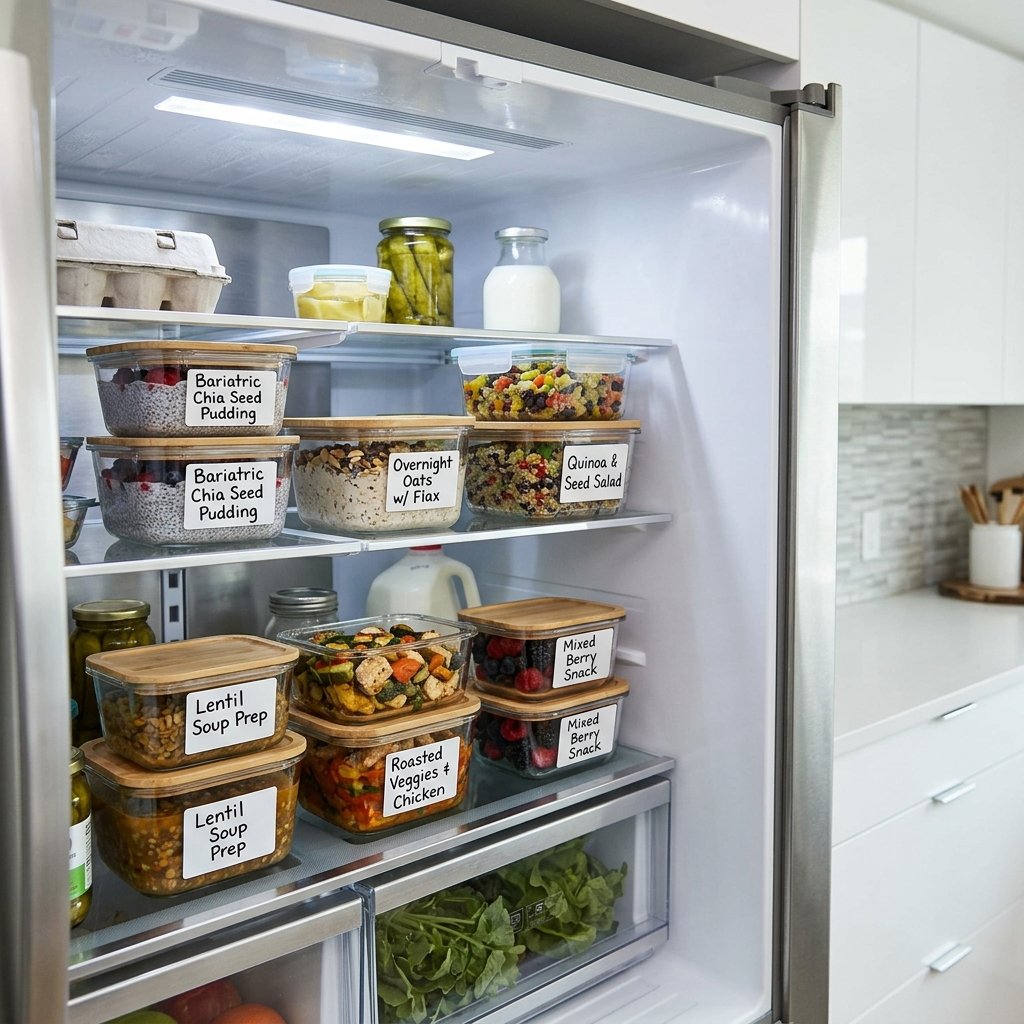
| Make-Ahead Preparation | Up to 1 week | Prepare a full batch of your bariatric seed recipe for weight loss on Sunday and portion into daily servings for immediate grab-and-go convenience throughout the week. This bariatric seed recipe for weight loss prep strategy eliminates excuse-making during busy periods. |
| Individual Portion Containers | 2 weeks room temp, 3 weeks refrigerated | Divide your bariatric seed recipe for weight loss into small glass or silicon containers immediately after cooling. Pre-portioned bariatric seed recipe for weight loss eliminates overconsuming and supports consistent weight loss tracking. |
Your bariatric seed recipe for weight loss never requires reheating because the natural coconut oil provides satisfying mouthfeel at room temperature or chilled. Some individuals prefer enjoying the bariatric seed recipe for weight loss directly from the freezer as a frozen treat that provides sustained satisfaction. The flexibility of temperature consumption makes this weight loss recipe exceptionally convenient for busy schedules and spontaneous hunger moments.
Monitor your bariatric seed recipe for weight loss for signs of spoilage, particularly if storing at room temperature for extended periods. Rancid seed oil produces a distinctly unpleasant smell that signals the bariatric seed recipe for weight loss should be discarded. Moisture accumulation inside storage containers indicates potential mold risk, requiring immediate disposal of the affected bariatric seed recipe for weight loss batch.
Nutritional Information for Bariatric Seed Recipe for Weight Loss
Understanding the nutritional profile of your bariatric seed recipe for weight loss helps you track macronutrients accurately and ensure this weight loss recipe aligns with your specific bariatric protocol requirements. Each serving delivers targeted nutrition designed specifically for post-surgical weight loss support.
| Nutrient | Amount per 1/4-Cup Serving |
|---|---|
| Calories | 180-195 |
| Total Fat | 12-14g |
| Saturated Fat | 3-4g |
| Monounsaturated Fat | 4-5g |
| Polyunsaturated Fat | 4-5g |
| Protein | 8-10g |
| Total Carbohydrates | 9-11g |
| Dietary Fiber | 4-5g |
| Net Carbohydrates | 5-6g |
| Sugar | 1-2g (from monk fruit sweetener, essentially zero) |
| Sodium | 73-92mg |
| Magnesium | 98-110mg (24-27% DV) |
| Phosphorus | 185-210mg (26-30% DV) |
| Zinc | 2.2-2.8mg (20-25% DV) |
| Iron | 2.1-2.5mg (12-14% DV) |
| Vitamin E | 6.8-8.2mg (34-41% DV) |
These approximate values demonstrate why the bariatric seed recipe for weight loss proves so effective for weight management and post-bariatric recovery. The high protein-to-calorie ratio supports muscle preservation during active weight loss, while the fiber content promotes stable blood sugar and digestive health. The bariatric seed recipe for weight loss delivers essential micronutrients that address deficiencies commonly seen in bariatric patients, particularly magnesium, zinc, and vitamin E that support immune function and energy metabolism.
The bariatric seed recipe for weight loss contains minimal sodium despite satisfying taste, making it appropriate for individuals managing hypertension or salt-restricted bariatric protocols. The low net carbohydrate count supports keto-adapted or low-carb bariatric approaches without compromise. Use this bariatric seed recipe for weight loss to meet your specific macronutrient targets while enjoying genuine food satisfaction during your weight loss journey.
Frequently Asked Questions About Bariatric Seed Recipe for Weight Loss
Can I substitute almond butter powder for peanut butter powder in a bariatric seed recipe for weight loss?
Yes, almond butter powder works excellently in your bariatric seed recipe for weight loss and provides a more refined flavor with slightly higher vitamin E content. Use the same 1/4-cup quantity in your bariatric seed recipe for weight loss, and expect a slightly less intense nut flavor that some people find more palatable. Both options support your weight loss goals equally well.
How do I know when my bariatric seed recipe for weight loss has reached the correct consistency?
Your bariatric seed recipe for weight loss reaches the correct consistency when all visible dry ingredients disappear and the mixture holds together when pressed gently. The texture should be granular but cohesive, not oily or clumping into dense balls. If your bariatric seed recipe for weight loss seems too dry, add one additional tablespoon of melted coconut oil and mix for 2 minutes.
Is the bariatric seed recipe for weight loss appropriate immediately after bariatric surgery, or should I wait until later?
Consult your bariatric surgeon before introducing your bariatric seed recipe for weight loss, as most surgeons recommend waiting 6 to 8 weeks post-surgery before consuming seeds and nuts. Once cleared by your medical team, your bariatric seed recipe for weight loss provides excellent nutrition for sustained weight loss. Some patients find that chewing your bariatric seed recipe for weight loss thoroughly for 2 to 3 minutes per bite prevents post-surgical discomfort.
Can I make a large batch of bariatric seed recipe for weight loss and freeze portions in advance?
Absolutely, freezing your bariatric seed recipe for weight loss is an excellent meal prep strategy that works perfectly for busy schedules. Portion your bariatric seed recipe for weight loss into individual servings before freezing, which makes grabbing daily portions effortless. Thaw at room temperature for 15 minutes or eat directly from the freezer if you prefer firm texture.
What should I eat or drink alongside my bariatric seed recipe for weight loss to maximize satiety?
Pair your bariatric seed recipe for weight loss with at least 6 to 8 ounces of unsweetened liquid such as herbal tea, black coffee, or water to support digestion and extend satiety significantly. Including protein-rich dairy such as Greek yogurt with your bariatric seed recipe for weight loss multiplies the satiety effects and supports muscle preservation. Leafy greens offer excellent volume alongside your bariatric seed recipe for weight loss without adding meaningful calories.
Does storing my bariatric seed recipe for weight loss in the refrigerator extend shelf life compared to pantry storage?
Yes, refrigerating your bariatric seed recipe for weight loss extends shelf life to approximately three weeks compared to two weeks at room temperature. The cooler temperature significantly slows seed oil oxidation, which is the primary cause of bariatric seed recipe for weight loss spoilage. Allow refrigerated portions to warm to room temperature for 10 minutes before eating to restore optimal texture.
Can I adjust sweetener levels in my bariatric seed recipe for weight loss if I’m particularly sensitive to sweet tastes?
Reduce sweetener in your bariatric seed recipe for weight loss by half to 1/2 to 1 tablespoon if you find the standard recipe too sweet for your palate. This bariatric seed recipe for weight loss variation still provides subtle sweetness without triggering intense cravings. Some people eliminate sweetener entirely in their bariatric seed recipe for weight loss, creating a purely savory option.
How do I prevent my bariatric seed recipe for weight loss from becoming rancid during storage?
Store your bariatric seed recipe for weight loss in opaque containers away from light, heat, and moisture to prevent oxidation that causes rancidity. Keep your bariatric seed recipe for weight loss in a cool pantry section or refrigerator rather than near stoves or sunny windows. Use airtight glass containers exclusively, as plastic can transfer chemical compounds that accelerate bariatric seed recipe for weight loss spoilage.
What are the best bariatric seed recipe for weight loss variations for someone following a ketogenic diet after bariatric surgery?
Create a keto-focused bariatric seed recipe for weight loss by doubling hemp seeds for extra protein and increasing your coconut oil content by one tablespoon to boost MCT fat intake. Eliminate all sweeteners from your bariatric seed recipe for weight loss, or use only stevia in minimal quantities. This keto-optimized bariatric seed recipe for weight loss delivers 8 grams of net carbohydrates per serving while supporting ketogenic metabolic adaptation.
Can children consume the bariatric seed recipe for weight loss, or is it designed exclusively for bariatric patients?
The bariatric seed recipe for weight loss works well for anyone seeking nutrient-dense snacks and isn’t limited to bariatric patients exclusively. Children above age 5 can enjoy small quantities of your bariatric seed recipe for weight loss as a protein-rich snack, though portion sizes should be reduced to 2 tablespoons for young children. Always supervise children eating your bariatric seed recipe for weight loss to prevent choking, and ensure seeds are chewed thoroughly.
Conclusion
The bariatric seed recipe for weight loss delivers exceptional results through a scientifically-backed combination of whole food ingredients that support post-surgical nutrition and sustainable weight management simultaneously. This bariatric seed recipe for weight loss succeeds where many weight loss approaches fail because it addresses the fundamental nutritional needs of bariatric patients while creating genuine food satisfaction that enables long-term consistency. Making the bariatric seed recipe for weight loss becomes a powerful self-care ritual that reinforces your commitment to health transformation, turning weight loss from a source of deprivation into one of nourishment and abundance. The accessible preparation process means you always have this weight loss recipe available for moments when old eating patterns tempt you, providing a reliable alternative that tastes genuinely enjoyable rather than medicinal. Start preparing your bariatric seed recipe for weight loss this week to experience the sustained energy, improved satiety, and accelerated weight loss results that thousands of successful bariatric patients have already discovered through this exceptional recipe.
Related Recipes You’ll Love
Rhubarb Apple And Ginger Crumble Recipe
Morning Glory Vegetable Recipe
Blue Salt Trick Recipe
Tummy Tea Recipe
Cortisol Water Recipe
Strawberry Matcha Chia Pudding Recipe
Viral Carrot Salad Recipe
Expert Resources and Food Safety
Learn more about seed nutrition benefits from research on whole seed consumption and health benefits. Consult Academy of Nutrition and Dietetics resources on weight management for comprehensive dietary guidance supporting your long-term success.
Print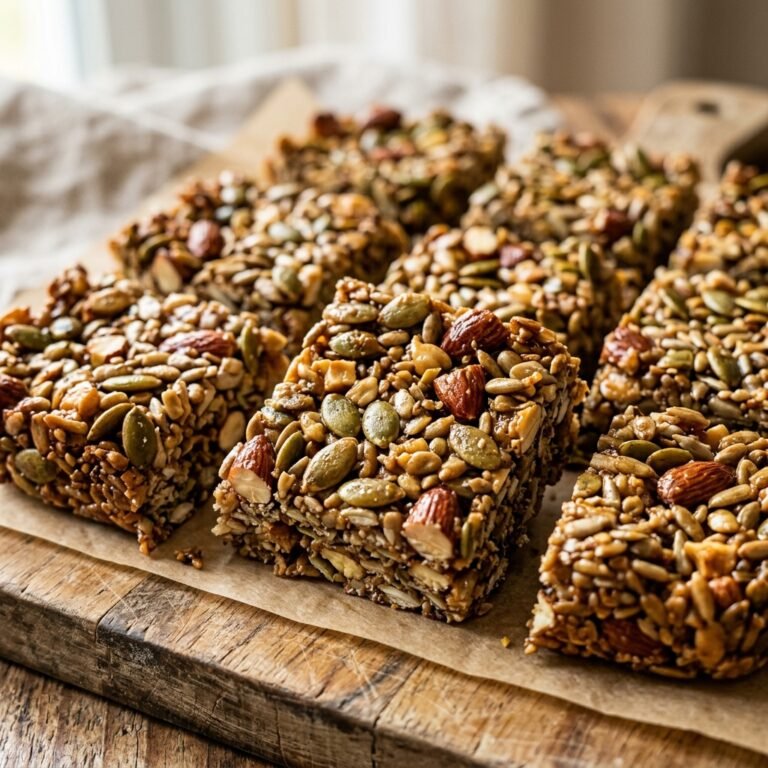
Bariatric Seed Recipe for Weight Loss 2026
A high-protein, high-fiber mixture designed to support post-surgical nutrition and sustainable weight management, combining nutrient-dense seeds and healthy fats to promote satiety.
- Total Time: 25 minutes
- Yield: 8 servings 1x
Ingredients
- 1 cup Raw pumpkin seeds (pepitas)
- 3/4 cup Raw sunflower seeds
- 1/2 cup Raw almonds, chopped
- 1/4 cup Natural peanut butter powder (or almond butter powder)
- 3 tablespoons Coconut oil, melted
- 1/4 cup Raw cacao nibs (unsweetened)
- 3 tablespoons Unsweetened shredded coconut
- 1–2 tablespoons Monk fruit sweetener or stevia
- 1/4 teaspoon Sea salt
- 1 teaspoon Vanilla extract (alcohol-free)
Instructions
- Chop the raw almonds into approximately 1/4-inch pieces using a sharp knife or food processor.
- Measure and combine the pumpkin seeds, sunflower seeds, cacao nibs, shredded coconut, monk fruit sweetener, and chopped almonds in a large mixing bowl.
- Melt the coconut oil in a small saucepan over low heat for approximately 2 to 3 minutes.
- Pour the melted coconut oil over the seed mixture in a thin, steady stream while stirring continuously.
- Add the peanut butter powder and vanilla extract immediately after the oil incorporation, then stir with a rubber spatula for 3 to 5 minutes until uniformly coated.
- Sprinkle sea salt over the mixture and fold gently for an additional 1 to 2 minutes until evenly distributed.
- Spread the mixture onto a parchment-lined baking sheet in a thin, even layer, cool for 10 minutes, and break into 8 equal portions.
Notes
Toast seeds lightly for 3 to 5 minutes at 325°F before mixing if you prefer enhanced nutty flavors. Melt coconut oil at the lowest heat setting to prevent oxidation damage. Store in an airtight glass container at room temperature for up to two weeks or in the refrigerator or freezer for extended shelf life.
- Prep Time: 10 minutes
- Cook Time: 15 minutes
- Category: Snack
- Method: Mixing
- Cuisine: Healthy/Bariatric
- Diet: Vegetarian
Nutrition
- Serving Size: 1/4 cup
- Calories: 190
- Sugar: 1g
- Sodium: 85mg
- Fat: 13g
- Saturated Fat: 3.5g
- Unsaturated Fat: 9.5g
- Trans Fat: 0g
- Carbohydrates: 10g
- Fiber: 4.5g
- Protein: 9g
- Cholesterol: 0mg