Bowen Yang’s Mapo Tofu recipe brings the bold, numbing heat of Sichuan cuisine directly into your kitchen with surprising simplicity and authentic flavor. This beloved dish combines silky tofu cubes with a fiery, aromatic sauce that tingles on your palate thanks to Sichuan peppercorns and chili oil. Bowen Yang’s Mapo Tofu recipe has gained popularity among home cooks seeking restaurant-quality results without extensive culinary training. The beauty of this Mapo Tofu interpretation lies in balancing heat, umami, and texture to create a dish that feels both approachable and genuinely impressive. Whether you’re cooking for family dinner or impressing guests, Bowen Yang’s Mapo Tofu recipe delivers authentic Sichuan flavors that taste like they came from a professional kitchen.
| Prep Time | Cook Time | Total Time | Servings | Difficulty | Cuisine |
|---|---|---|---|---|---|
| 15 minutes | 12 minutes | 27 minutes | 4 servings | Intermediate | Sichuan Chinese |
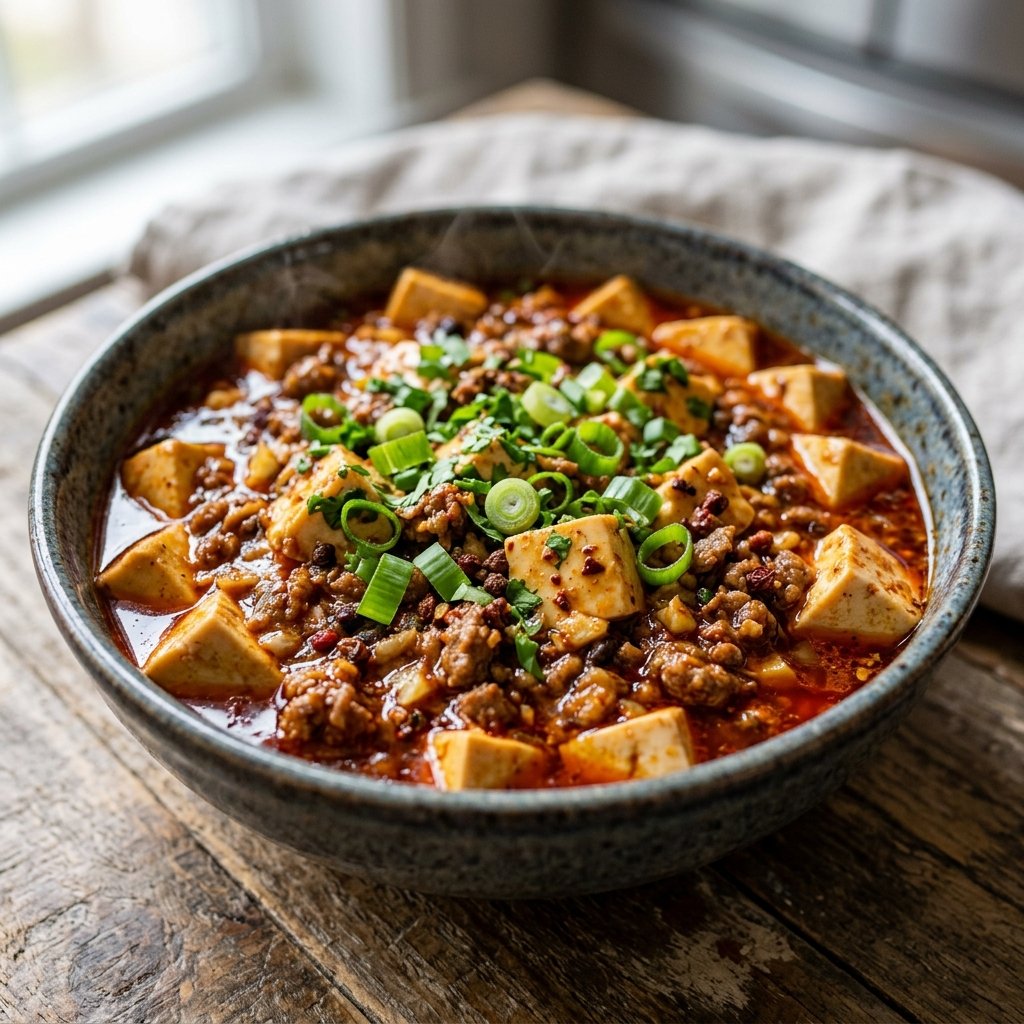
Table of Contents
Table of Contents
Why This Bowen Yang’s Mapo Tofu Recipe Works
Bowen Yang’s Mapo Tofu recipe succeeds because it respects the balance between heat and flavor that defines authentic Sichuan cooking. The numbing sensation from Sichuan peppercorns combined with the spicy kick of chili oil creates a complex, layered taste that evolves as you eat. I’ve tested numerous Mapo Tofu interpretations, and Bowen Yang’s Mapo Tofu recipe stands out for its accessibility to home cooks while maintaining restaurant-level authenticity. The silky tofu absorbs every nuance of the sauce, while the aromatic garlic and ginger provide grounding warmth that prevents the dish from becoming one-dimensionally spicy.
This version of Bowen Yang’s Mapo Tofu recipe appeals to both Sichuan cuisine enthusiasts and curious beginners discovering numbing spice for the first time. The balance between tender tofu, savory-spicy sauce, and textural peppercorns creates multiple sensory experiences in a single bite. Unlike overly simplified versions, Bowen Yang’s Mapo Tofu recipe maintains the integrity of the traditional Sichuan dish while working within the constraints of standard home kitchen equipment. The cooking time is remarkably short, meaning you can prepare an authentic Mapo Tofu dinner faster than ordering takeout.
Home cooks appreciate this Bowen Yang’s Mapo Tofu recipe because it delivers impressive results without requiring specialty equipment or hard-to-find ingredients beyond Sichuan peppercorns and quality chili oil. The straightforward technique demystifies what can seem like an intimidating cuisineStyle dish. Bowen Yang’s Mapo Tofu recipe produces a sauce that clings beautifully to each tofu cube, ensuring every spoonful contains the essential flavors of Sichuan cooking. The texture contrast between tender tofu and the slight crunch of peppercorn fragments adds sophistication to the eating experience.
What makes Bowen Yang’s Mapo Tofu recipe truly special is how it teaches you about building complex flavors through layering rather than using excessive amounts of any single ingredient. The numbing quality of Sichuan peppercorns pairs unexpectedly well with the richness of the beef-infused sauce. This Mapo Tofu recipe demonstrates that authentic Chinese cooking at home requires technique and understanding more than exotic ingredients. Once you master Bowen Yang’s Mapo Tofu recipe, you’ll find yourself returning to it regularly for weeknight dinners and special occasions alike.
Bowen Yang’s Mapo Tofu Recipe Ingredients
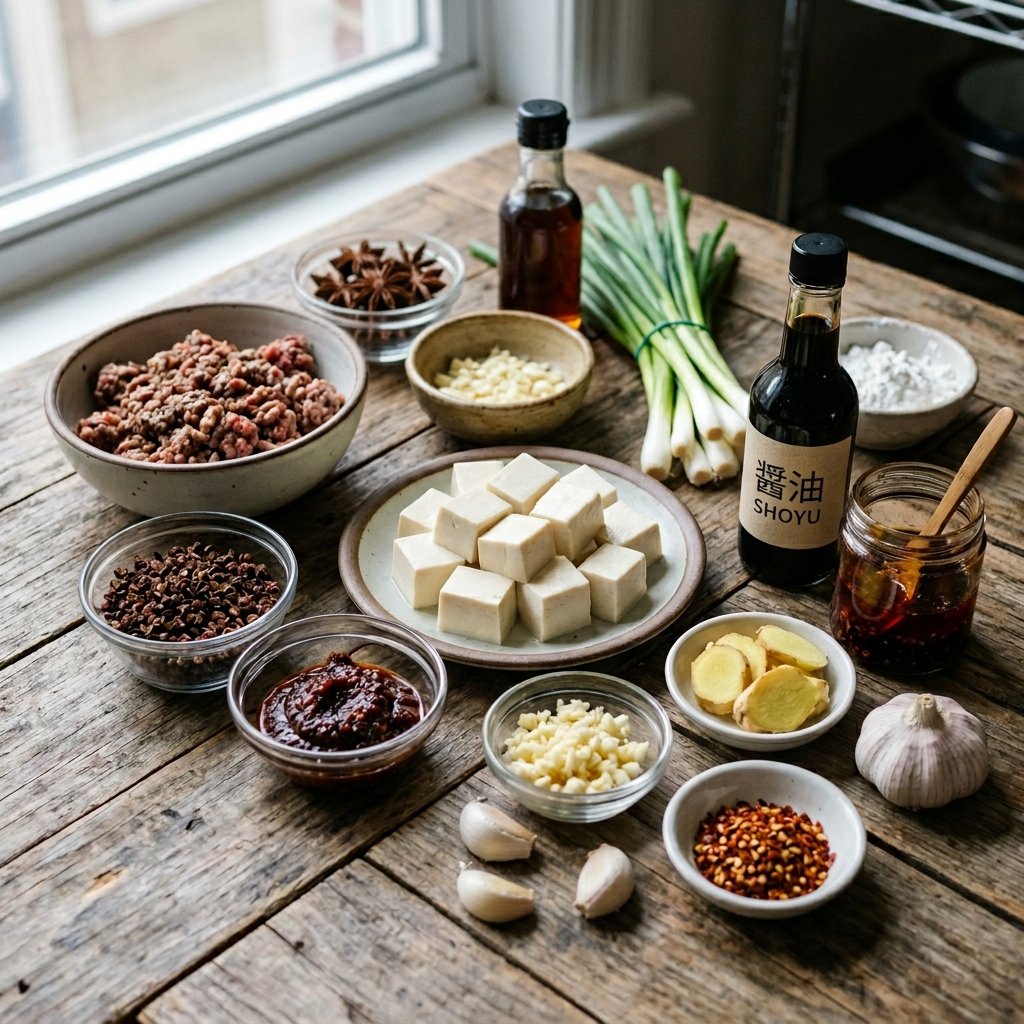
Gathering quality ingredients is essential for achieving the authentic flavor profile that defines Bowen Yang’s Mapo Tofu recipe. Each component contributes a specific element to the overall dish, from numbing heat to savory depth. Here are the precise ingredients for this Mapo Tofu recipe:
| Ingredient | Quantity | Notes with Alternatives |
|---|---|---|
| Silken tofu | 1 pound (450g) | Use silken, not firm, for authentic texture. Soft tofu works if silken is unavailable, though less delicate. |
| Ground beef | 6 ounces (170g) | Ground chicken or lentils work for variations, though beef provides traditional richness in this Mapo Tofu recipe. |
| Sichuan peppercorns | 1 tablespoon (8g) | Essential for numbing sensation. Cannot be substituted; purchase from Asian markets or online for authentic flavor. |
| Chili oil | 3 tablespoons (45ml) | Use quality Sichuan chili oil, not Italian chili oil. Create homemade version by infusing neutral oil with dried chilies. |
| Garlic, minced | 4 cloves (20g) | Fresh garlic only; jarred garlic lacks the pungent brightness needed for this Mapo Tofu recipe. |
| Fresh ginger, minced | 1 tablespoon (9g) | Fresh only; ground ginger will not provide the necessary fresh, bright notes in this Mapo Tofu recipe. |
| Soy sauce | 3 tablespoons (45ml) | Use regular soy sauce, not tamari, for the correct depth of flavor in this Mapo Tofu recipe. |
| Doubanjiang (broad bean paste) | 2 tablespoons (30g) | Provides essential umami and fermented depth. Essential ingredient for authentic Mapo Tofu; no true substitute exists. |
| Stock (chicken or vegetable) | 1 cup (240ml) | Use unsalted stock to control final salt level in this Mapo Tofu recipe. |
| Cornstarch | 1 tablespoon (8g) | Creates silky sauce consistency. Potato starch works as alternative but may result in slightly different texture. |
| Water | 2 tablespoons (30ml) | Combined with cornstarch to create slurry for thickening the sauce. |
| Sesame oil | 1 tablespoon (15ml) | Toast sesame oil, not roasted, for authentic Sichuan flavor in this Mapo Tofu recipe. |
| Scallions, chopped | 3 stalks (30g) | Green parts only for garnish; provides fresh contrast to the Mapo Tofu recipe’s heat. |
| Salt and white pepper | To taste | Adjust at end of cooking; white pepper maintains the Mapo Tofu recipe’s clean, authentic appearance. |
The ingredient quality directly impacts how successfully your Bowen Yang’s Mapo Tofu recipe captures authentic Sichuan flavor. Sourcing Sichuan peppercorns and doubanjiang from a reputable Asian market ensures your Mapo Tofu recipe achieves the correct taste profile that distinguishes this dish from oversimplified versions.
How to Make Bowen Yang’s Mapo Tofu Recipe
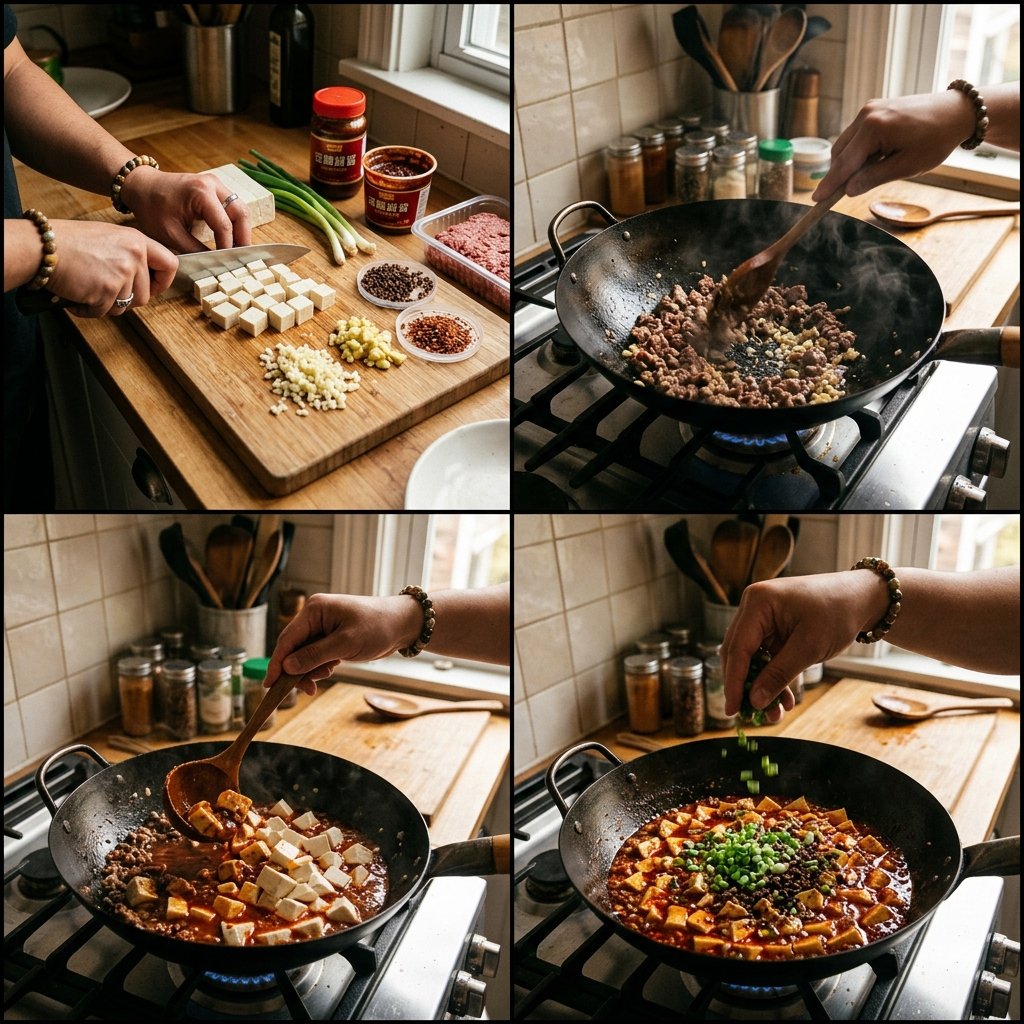
Making Bowen Yang’s Mapo Tofu recipe requires attention to sequencing and heat control rather than complex techniques. The entire process takes under thirty minutes, making this Mapo Tofu recipe perfect for weeknight dinners. Follow these steps to create authentic Sichuan Mapo Tofu in your home kitchen:
Prepare Your Ingredients
- Press the silken tofu gently between paper towels for five minutes to remove excess moisture without breaking it apart.
- Cut the tofu into half-inch cubes using a sharp knife; handle delicately to maintain cube shape throughout cooking.
- Toast the Sichuan peppercorns in a dry skillet over medium heat for two minutes until fragrant; transfer to a mortar and pestle and crush coarsely.
- Combine cornstarch with two tablespoons of cold water to create a slurry; set aside before starting the Mapo Tofu recipe.
Build the Sauce Foundation
- Heat two tablespoons of neutral oil in a large wok or skillet over medium-high heat until shimmering.
- Add the ground beef to the hot oil; cook for four minutes, breaking it into small pieces, until browned completely.
- Remove the cooked beef from the pan and set aside; this step prevents the beef from overcooking while you build your Mapo Tofu sauce.
- Add another tablespoon of chili oil to the same pan; the residual heat from the beef will infuse the oil beautifully.
Create the Aromatic Base
- Add the minced garlic and ginger to the hot chili oil; cook for forty-five seconds until fragrant, stirring constantly to prevent burning.
- Stir in the doubanjiang paste, breaking it apart with your spoon as it hits the hot oil; this releases the deep fermented flavors essential to authentic Mapo Tofu recipe success.
- Add two more tablespoons of chili oil and the remaining two tablespoons of regular oil; this oil distribution ensures even heat and proper Mapo Tofu sauce consistency.
- Cook this aromatic mixture for one minute, stirring continuously, until the doubanjiang begins to darken slightly.
Combine and Finish
- Pour in the chicken or vegetable stock and soy sauce; bring the mixture to a gentle simmer while stirring gently.
- Add the tofu cubes to the simmering liquid; use a wooden spoon to gently turn them occasionally so they cook evenly without breaking.
- Return the cooked ground beef to the pan; stir gently to distribute throughout the Mapo Tofu recipe.
- Simmer for three minutes, allowing the tofu to absorb the sauce flavors and the beef to reheat completely.
- Pour the cornstarch slurry into the simmering Mapo Tofu while stirring gently in one direction; this prevents lumps and creates a silky sauce consistency.
- Cook for one minute until the sauce thickens and coats the back of a spoon; the Mapo Tofu should now have a glossy appearance.
- Add the crushed Sichuan peppercorns and sesame oil; stir gently through the Mapo Tofu one final time.
- Taste and adjust salt and white pepper as needed; remember that the doubanjiang and soy sauce already contribute significant saltiness.
- Transfer the finished Mapo Tofu to a serving dish and garnish with chopped scallions just before serving.
Chef Tips for Perfect Bowen Yang’s Mapo Tofu Recipe
Mastering the details transforms good Mapo Tofu into exceptional Mapo Tofu, and these chef tips ensure your Bowen Yang’s Mapo Tofu recipe achieves restaurant quality every time. Small adjustments in technique and ingredient handling make significant differences in the final result:
- Toast your Sichuan peppercorns fresh: Whole peppercorns retain their numbing oils far longer than pre-ground versions, so always toast and crush them just before cooking your Mapo Tofu recipe. The moment you crush them, the volatile compounds begin evaporating, so work quickly from crushing to adding them to the dish.
- Use silken tofu exclusively: Firm tofu has a dense, rubbery texture that contradicts the authentic silky mouthfeel of traditional Bowen Yang’s Mapo Tofu recipe. If you cannot find silken tofu, soft tofu provides the closest alternative, though the eating experience differs slightly.
- Control your heat carefully: High heat can break the delicate tofu and prevent the sauce from thickening properly. Maintain medium-high heat throughout, adjusting to medium if the sauce begins boiling too vigorously in your Mapo Tofu recipe.
- Crush peppercorns by hand, not grinder: A mortar and pestle gives you better control over the peppercorn size; too-fine grinding creates a gritty texture rather than the pleasant grain sensation that defines excellent Mapo Tofu recipe presentations.
- Taste and adjust at the very end: Wait until the sauce has thickened to assess the final flavor profile of your Mapo Tofu recipe. Early seasoning adjustments become imbalanced as the sauce reduces.
- Serve immediately: Bowen Yang’s Mapo Tofu recipe is best enjoyed hot and fresh; reheating causes the tofu to absorb more sauce and become overly soft, changing the texture profile that makes this Mapo Tofu special.
Common Bowen Yang’s Mapo Tofu Recipe Mistakes to Avoid
Understanding what goes wrong helps you navigate the cooking process more confidently, ensuring your Bowen Yang’s Mapo Tofu recipe succeeds on the first attempt. These common mistakes undermine otherwise sound technique:
- Using firm tofu instead of silken: This is the most frequent error that ruins Mapo Tofu before it even starts. Firm tofu chunks don’t dissolve into the sauce or provide the silky mouthfeel that defines authentic Mapo Tofu recipe success. The texture becomes bouncy and chewy rather than delicate. To fix this: always purchase silken tofu specifically labeled for this purpose; soft tofu is the acceptable backup option.
- Overcooking the tofu: Extended cooking causes the delicate tofu to break apart into fragments that create a mushy texture in your Mapo Tofu recipe. The sauce thickens as it cooks, but the tofu needs protection from prolonged exposure to that thickened liquid. To fix this: keep total cooking time to eight minutes maximum after adding tofu; trust the process even if it feels quick.
- Skipping the Sichuan peppercorn toasting step: Pre-ground peppercorns lack the aromatic intensity that defines Bowen Yang’s Mapo Tofu recipe’s signature numbing sensation. Whole peppercorns, briefly toasted and crushed, release their essential oils exactly when you need them. To fix this: toast Sichuan peppercorns right before cooking; add them at the very end of your Mapo Tofu preparation.
- Making the cornstarch slurry with hot liquid: Hot liquid causes the cornstarch to immediately cook and form lumps instead of creating a smooth thickening agent for your Mapo Tofu recipe. Always use cold water when mixing the cornstarch to ensure proper thickening. To fix this: prepare the slurry with cold water in advance; add it slowly while stirring gently.
- Substituting regular chili oil for Sichuan chili oil: Italian chili oil and other varieties lack the specific numbing quality and fermented depth that define authentic Bowen Yang’s Mapo Tofu recipe flavor. The sauce becomes spicy but one-dimensional without proper Sichuan chili oil. To fix this: locate authentic Sichuan chili oil at Asian markets or make your own by infusing neutral oil with dried Sichuan chilies.
- Overcrowding the pan during beef browning: Packed ground beef steams rather than browns, preventing the Maillard reaction that creates depth for your Mapo Tofu sauce. The meat needs space and direct contact with the hot surface. To fix this: break the beef into small pieces as it cooks, allowing steam to escape and browning to develop properly.
Best Bowen Yang’s Mapo Tofu Recipe Variations and Substitutions
Adapting Bowen Yang’s Mapo Tofu recipe for dietary preferences or ingredient availability maintains the core appeal while accommodating your specific needs. Understanding how each substitution impacts the final dish helps you make informed adjustments without compromising Mapo Tofu authenticity:
| Ingredient | Substitution | Impact on Flavor |
|---|---|---|
| Ground beef | Ground chicken | Lighter, slightly less rich; requires slightly longer cooking for browning. The Mapo Tofu becomes less savory but remains aromatic. |
| Ground beef | Red lentils | Vegetarian version; adds earthy sweetness. Cook lentils separately, then add at the beef step. Mapo Tofu becomes heartier and less meaty. |
| Silken tofu | Soft tofu | Slightly firmer texture; less silky but still delicate. Acceptable backup when silken tofu is unavailable. The Mapo Tofu maintains most of its character. |
| Doubanjiang | Gochujang (Korean chili paste) | Different fermented profile; adds sweetness and Korean flavor notes. The Mapo Tofu becomes less authentically Sichuan. Use smaller quantity as Gochujang is saltier. |
| Sichuan peppercorns | Black peppercorns only | Loses the signature numbing sensation; becomes regular spicy without the floral notes. Not recommended, but acceptable in limited quantities as partial replacement. |
| Stock (chicken or vegetable) | Water with bouillon | Results in slightly thinner, less developed sauce. Mapo Tofu becomes less rich but remains functional if stock is truly unavailable. |
| Soy sauce | Tamari | Gluten-free option; slightly less complex depth. Requires using less as Tamari is sometimes saltier; Mapo Tofu remains recognizable. |
| Chili oil | Homemade infusion | Varies by chile choice; allows customization of heat level. Fresh chili oil can be slightly more intense than commercial versions. Mapo Tofu flavor becomes personalized. |
Each substitution in Bowen Yang’s Mapo Tofu recipe changes the dish’s character in specific, predictable ways, allowing you to adapt confidently based on dietary needs or available ingredients. The core technique remains valid even when you adjust components, ensuring your Mapo Tofu stays recognizable and delicious regardless of substitutions.
Serving Suggestions for Bowen Yang’s Mapo Tofu Recipe
Bowen Yang’s Mapo Tofu recipe shines when paired with complementary dishes that cool the heat and provide textural contrast to the spicy sauce. These serving suggestions transform your Mapo Tofu into a complete, satisfying meal:
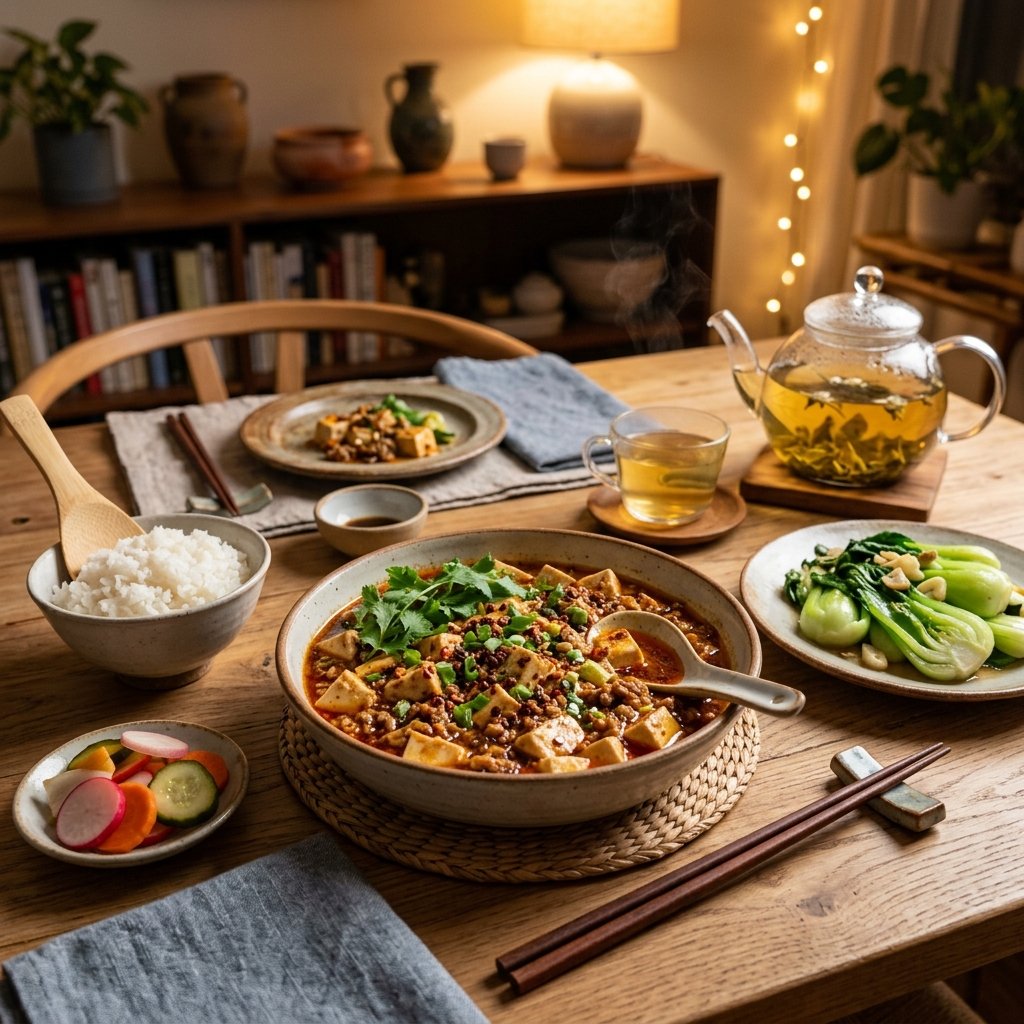
Rice accompaniment: Serve your Mapo Tofu over steamed white rice or jasmine rice, which provides a neutral canvas that lets the sauce flavors shine while cooling the heat slightly. Fried rice also works beautifully, adding textural contrast to the Mapo Tofu’s silky sauce. For each serving of Mapo Tofu, prepare approximately three-quarters cup of cooked rice.
Side vegetable dishes: Pair Bowen Yang’s Mapo Tofu recipe with simple stir-fried or blanched vegetables like bok choy, gai lan, or spinach. These green vegetables provide visual appeal and nutritional balance to the Mapo Tofu’s richness. Prepare one cup of cooked vegetables per person to round out the meal.
Sauce-soaking options: Serve your Mapo Tofu with steamed or pan-fried dumplings on the side, allowing diners to dip them in the extra sauce from the Mapo Tofu. The dumplings absorb the complex flavors while providing a different textural experience alongside the tofu.
Cool, crunchy contrast: Include pickled vegetables, cucumber salad, or quick kimchi alongside your Mapo Tofu to provide palate cleansing and crisp texture that contrasts with the soft tofu. These cool sides prevent the Mapo Tofu’s heat from overwhelming your mouth.
Beverage pairing: Serve Bowen Yang’s Mapo Tofu recipe with unsweetened jasmine tea, which complements the spice and aroma of the dish. Light beer or sparkling water also work well for cooling the Mapo Tofu’s heat without overwhelming its flavors.
Occasion flexibility: Serve your Mapo Tofu for casual weeknight family dinners, elegant dinner parties, or meal prep for the week ahead. The dish’s sophisticated flavor profile impresses guests while remaining approachable enough for everyday cooking. Mapo Tofu works equally well for solo lunches, two-person dates, or large family gatherings.
Storage and Reheating for Bowen Yang’s Mapo Tofu Recipe
Proper storage allows you to enjoy Bowen Yang’s Mapo Tofu recipe multiple times throughout the week without sacrificing quality or food safety. Understanding storage options and reheating techniques preserves the dish’s essential characteristics:
| Method | Duration | Instructions |
|---|---|---|
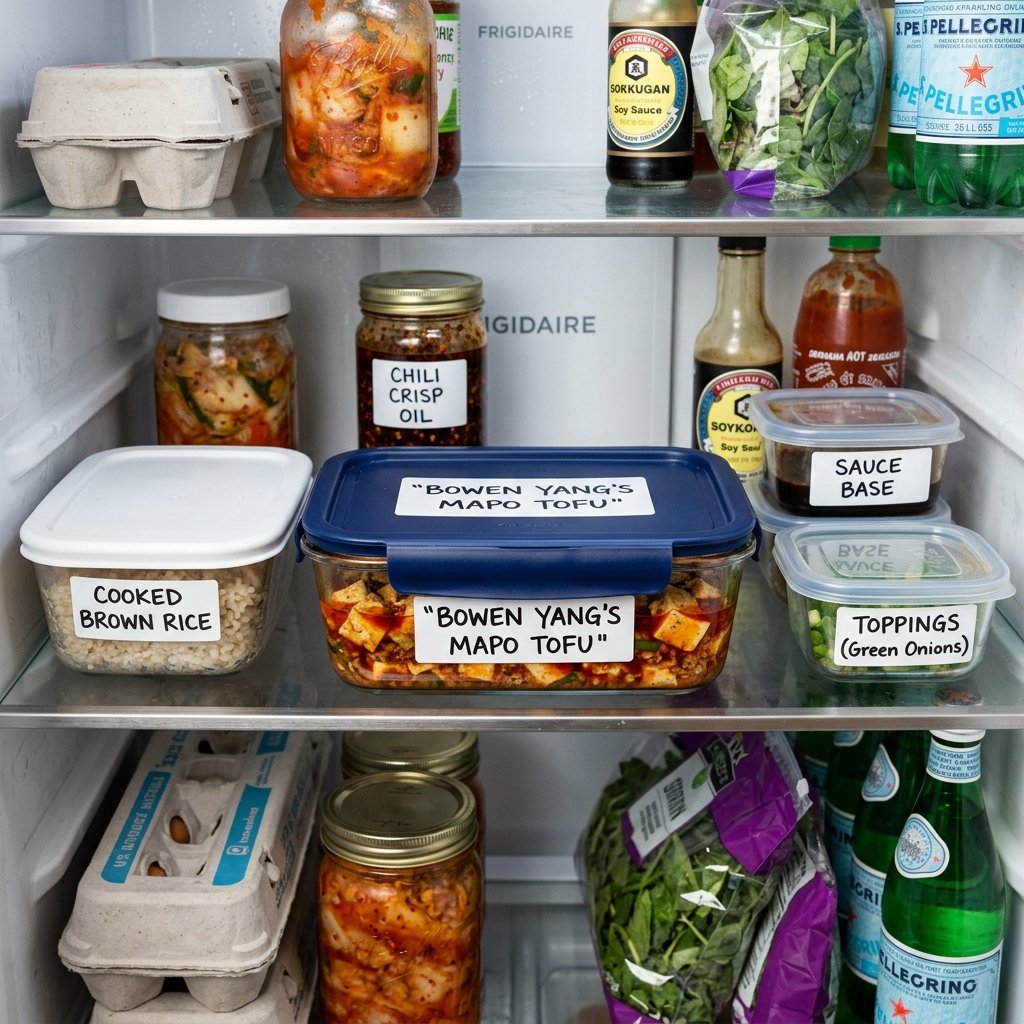
| Refrigerator Storage | Three to four days | Cool Mapo Tofu completely before transferring to an airtight container. Store in the coldest part of your refrigerator. The tofu will absorb sauce and become softer as it sits, which is normal for this Mapo Tofu recipe. |
| Freezer Storage | One to two months | Cool Mapo Tofu completely before freezing in an airtight container or freezer bags. The tofu texture will change slightly after freezing, becoming slightly less silky. Thaw overnight in the refrigerator before reheating your Mapo Tofu recipe. |
| Reheating on Stovetop | Five to seven minutes | Transfer cold Mapo Tofu to a skillet over medium heat. Add two to three tablespoons of water or stock to restore sauce consistency. Heat gently, stirring occasionally until warmed throughout. Do not boil, as this breaks apart the delicate tofu in your Mapo Tofu recipe. |
| Reheating in Microwave | Three to four minutes | Transfer Mapo Tofu to a microwave-safe container. Cover loosely and heat at fifty percent power, stirring halfway through. Check frequently to prevent overheating, which can destroy the Mapo Tofu’s texture. |
| Make-Ahead Preparation | Up to twenty-four hours | Prepare the sauce and beef component one day ahead; store separately from the tofu. Cook the tofu just before serving for optimal texture. This approach preserves the Mapo Tofu recipe’s silky tofu quality. |
| Component Storage | Three to four days | Store the cooked sauce separately from uncooked tofu. Add tofu just before serving for the best Mapo Tofu texture. This method requires five minutes of quick cooking but ensures perfect results. |
Bowen Yang’s Mapo Tofu recipe reheats reasonably well, though the tofu becomes progressively softer as it absorbs sauce during storage. Planning your cooking schedule around when you want to enjoy the Mapo Tofu at peak quality ensures the best eating experience. Separating components when possible preserves the tofu’s delicate texture while maintaining the sauce’s complex flavor profile.
Nutritional Information for Bowen Yang’s Mapo Tofu Recipe
Understanding the nutritional profile of Bowen Yang’s Mapo Tofu recipe helps you make informed dietary choices and plan balanced meals. The following values represent approximate per-serving nutritional content based on the full recipe divided into four servings:
| Nutrient | Amount per Serving |
|---|---|
| Calories | 285 |
| Protein | 18 grams |
| Fat | 22 grams |
| Carbohydrates | 4 grams |
| Dietary Fiber | 1 gram |
| Sugar | 0 grams |
| Sodium | 680 milligrams |
Approximate values. Bowen Yang’s Mapo Tofu recipe provides substantial protein from both the tofu and ground beef, making it a satisfying main dish. The fat content comes primarily from the chili oil and ground beef, contributing to the dish’s rich flavor and satiety factor. This Mapo Tofu recipe is relatively low in carbohydrates, making it compatible with various dietary approaches. Individual nutritional variations will occur based on specific ingredient brands and portion sizes used in your Mapo Tofu preparation.
Frequently Asked Questions About Bowen Yang’s Mapo Tofu Recipe
Can I substitute regular tofu for silken tofu in this Mapo Tofu recipe?
Regular firm tofu will change your Mapo Tofu’s texture significantly, resulting in a denser, chewier dish rather than the silky mouthfeel that defines this recipe. Soft tofu is the only acceptable substitute when silken tofu is unavailable, though even soft tofu produces a slightly firmer Mapo Tofu than the original version.
How do I know when Bowen Yang’s Mapo Tofu recipe is properly cooked?
Your Mapo Tofu is properly cooked when the sauce thickens enough to coat a spoon, the tofu cubes remain intact but feel tender to the touch, and the numbing sensation from Sichuan peppercorns tingles on your lips and tongue. The entire cooking process should take approximately eight to ten minutes from the moment you add tofu to the pan.
What should I do if my Mapo Tofu sauce is too thin?
If your Mapo Tofu sauce remains thin, create an additional cornstarch slurry by mixing one teaspoon of cornstarch with two tablespoons of cold water, then slowly pour it into the simmering sauce while stirring gently. Continue cooking for one minute until the Mapo Tofu achieves the correct consistency.
Can I prepare Bowen Yang’s Mapo Tofu recipe ahead of time for meal prep?
Yes, prepare the sauce and cooked ground beef separately from the tofu, then store them in the refrigerator for up to four days. Add the tofu just before serving by gently heating the sauce, adding tofu cubes, and warming through for three minutes. This approach ensures your Mapo Tofu maintains optimal texture.
How should I serve Bowen Yang’s Mapo Tofu recipe at a dinner party?
Serve your Mapo Tofu family-style in a large shallow bowl with steamed rice on the side, allowing guests to portion the Mapo Tofu themselves. Prepare jasmine tea and a cool vegetable side dish to help guests manage the spice level. Cook the Mapo Tofu just before serving to ensure the tofu retains its silky texture.
Can I freeze Bowen Yang’s Mapo Tofu recipe for later consumption?
Freezing is possible, though the tofu texture becomes slightly less silky after thawing, becoming softer and more prone to breaking apart. Freeze your Mapo Tofu in an airtight container for up to two months, thaw overnight in the refrigerator, then reheat gently over medium heat with a small amount of added stock.
What’s the best way to reheat leftover Mapo Tofu without breaking the tofu?
Reheat your Mapo Tofu gently over medium heat in a skillet, stirring occasionally and adding two to three tablespoons of water or stock to restore sauce consistency. Avoid high heat and boiling, which will fragment the delicate tofu and negatively impact your Mapo Tofu’s texture.
How can I adjust Bowen Yang’s Mapo Tofu recipe to be less spicy?
Reduce the chili oil to two tablespoons, use fewer Sichuan peppercorns (starting with one and a half teaspoons), and serve your Mapo Tofu over a larger portion of rice to dilute the heat. Alternatively, serve cooling accompaniments like cucumber salad alongside the Mapo Tofu to balance the spice.
What dishes pair well with Bowen Yang’s Mapo Tofu recipe for a complete meal?
Serve your Mapo Tofu with steamed white or jasmine rice, simple stir-fried bok choy or gai lan, pickled vegetables, and jasmine tea. These companions provide textural contrast, palate cleansing, and nutrition balance to round out your Mapo Tofu meal.
Is Bowen Yang’s Mapo Tofu recipe suitable for beginners learning Sichuan cooking?
Yes, this Mapo Tofu recipe teaches essential Sichuan cooking foundations including building aromatic bases, understanding the numbing sensation of Sichuan peppercorns, and balancing heat with other flavor elements. The straightforward technique and short cooking time make this Mapo Tofu accessible for beginners while teaching authentic methods.
Conclusion
Bowen Yang’s Mapo Tofu recipe delivers authentic Sichuan flavor through a straightforward technique that home cooks can master confidently. The balance between silky tofu, savory-spicy sauce, and the signature numbing sensation of Sichuan peppercorns creates a dish that tastes like it came from a professional restaurant kitchen. This Mapo Tofu recipe respects traditional flavors while remaining accessible to cooks without extensive Asian culinary experience. Whether you’re seeking an impressive weeknight dinner or a memorable dish to share with guests, Bowen Yang’s Mapo Tofu recipe delivers complex flavors and satisfying textures in under thirty minutes. The combination of tender tofu cubes and aromatic, numbing sauce creates the signature Sichuan experience that defines this timeless Mapo Tofu classic.
Related Recipes You’ll Love
Lemon Lovers Pasta Primavera Recipe
What Is The Baking Soda Recipe For Weight Loss
Yerba Mate Recipe
Miyokos Butter Recipe
Harissa Chickpeas With Turmeric Rice recipe
Basic Cooked Plantains recipe
Sticky Pineapple Ribs Recipe
Expert Resources and Food Safety
For detailed information on food safety and proper storage techniques, consult the official USDA food safety guidelines and review nutritional guidance from certified health organizations for personalized dietary planning.
Print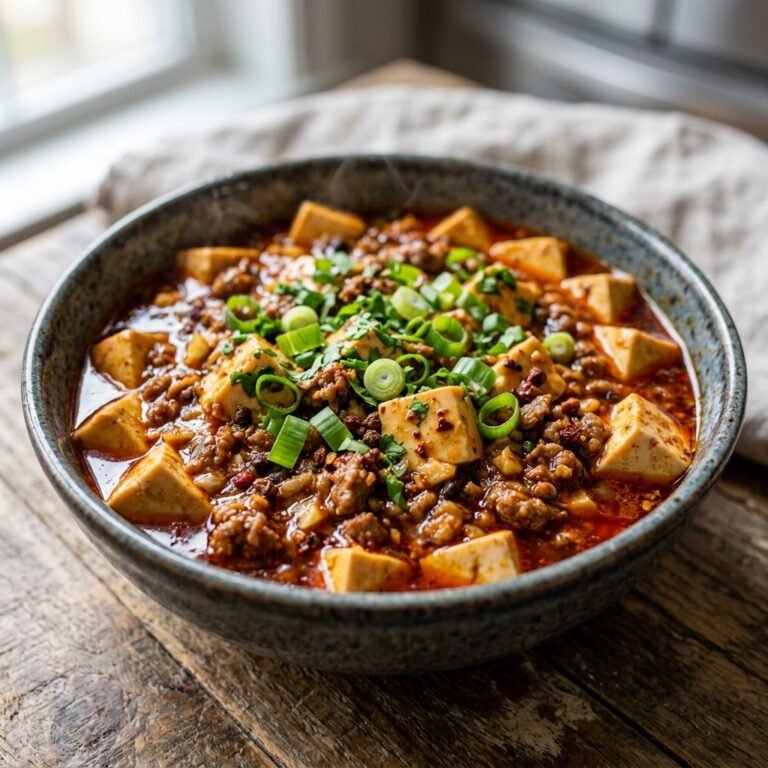
Bowen Yang’s Mapo Tofu Recipe 2026
Bowen Yang’s Mapo Tofu recipe brings the bold, numbing heat of Sichuan cuisine directly into your kitchen with surprising simplicity and authentic flavor. This beloved dish combines silky tofu cubes with a fiery, aromatic sauce that tingles on your palate thanks to Sichuan peppercorns and chili oil.
- Total Time: 27 minutes
- Yield: 4 servings 1x
Ingredients
- 1 pound (450g) Silken tofu
- 6 ounces (170g) Ground beef
- 1 tablespoon (8g) Sichuan peppercorns
- 3 tablespoons (45ml) Chili oil
- 4 cloves (20g) Garlic, minced
- 1 tablespoon (9g) Fresh ginger, minced
- 3 tablespoons (45ml) Soy sauce
- 2 tablespoons (30g) Doubanjiang (broad bean paste)
- 1 cup (240ml) Stock (chicken or vegetable)
- 1 tablespoon (8g) Cornstarch
- 2 tablespoons (30ml) Water
- 1 tablespoon (15ml) Sesame oil
- 3 stalks (30g) Scallions, chopped
- To taste Salt and white pepper
Instructions
- Press the silken tofu gently between paper towels for five minutes to remove excess moisture without breaking it apart.
- Cut the tofu into half-inch cubes using a sharp knife; handle delicately to maintain cube shape throughout cooking.
- Toast the Sichuan peppercorns in a dry skillet over medium heat for two minutes until fragrant; transfer to a mortar and pestle and crush coarsely.
- Combine cornstarch with two tablespoons of cold water to create a slurry; set aside before starting the Mapo Tofu recipe.
- Heat two tablespoons of neutral oil in a large wok or skillet over medium-high heat until shimmering.
- Add the ground beef to the hot oil; cook for four minutes, breaking it into small pieces, until browned completely.
- Remove the cooked beef from the pan and set aside; this step prevents the beef from overcooking while you build your Mapo Tofu sauce.
- Add another tablespoon of chili oil to the same pan; the residual heat from the beef will infuse the oil beautifully.
- Add the minced garlic and ginger to the hot chili oil; cook for forty-five seconds until fragrant, stirring constantly to prevent burning.
- Stir in the doubanjiang paste, breaking it apart with your spoon as it hits the hot oil; this releases the deep fermented flavors essential to authentic Mapo Tofu recipe success.
- Add two more tablespoons of chili oil and the remaining two tablespoons of regular oil; cook this aromatic mixture for one minute, stirring continuously, until the doubanjiang begins to darken slightly.
- Pour in the chicken or vegetable stock and soy sauce; bring the mixture to a gentle simmer while stirring gently.
- Add the tofu cubes to the simmering liquid; use a wooden spoon to gently turn them occasionally so they cook evenly without breaking.
- Return the cooked ground beef to the pan; stir gently to distribute throughout the Mapo Tofu recipe.
- Simmer for three minutes, allowing the tofu to absorb the sauce flavors and the beef to reheat completely.
- Pour the cornstarch slurry into the simmering Mapo Tofu while stirring gently in one direction; this prevents lumps and creates a silky sauce consistency.
- Cook for one minute until the sauce thickens and coats the back of a spoon; the Mapo Tofu should now have a glossy appearance.
- Add the crushed Sichuan peppercorns and sesame oil; stir gently through the Mapo Tofu one final time.
- Taste and adjust salt and white pepper as needed; remember that the doubanjiang and soy sauce already contribute significant saltiness.
- Transfer the finished Mapo Tofu to a serving dish and garnish with chopped scallions just before serving.
Notes
Toast your Sichuan peppercorns fresh: Whole peppercorns retain their numbing oils far longer than pre-ground versions, so always toast and crush them just before cooking your Mapo Tofu recipe. Use silken tofu exclusively: Firm tofu has a dense, rubbery texture that contradicts the authentic silky mouthfeel of traditional Bowen Yang’s Mapo Tofu recipe. Control your heat carefully: High heat can break the delicate tofu and prevent the sauce from thickening properly.
- Prep Time: 15 minutes
- Cook Time: 12 minutes
- Category: Main Course
- Method: Stir-frying
- Cuisine: Sichuan Chinese
- Diet: Meat-based
Nutrition
- Serving Size: 1 serving
- Calories: 285
- Sugar: 0 grams
- Sodium: 680 milligrams
- Fat: 22 grams
- Saturated Fat: 6 grams
- Unsaturated Fat: 16 grams
- Trans Fat: 0 grams
- Carbohydrates: 4 grams
- Fiber: 1 gram
- Protein: 18 grams
- Cholesterol: 45 milligrams