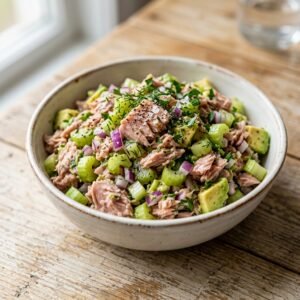
This high protein low calorie tuna meal provides a quick, satisfying, and nutritionally dense dinner option built around lean tuna. It delivers maximum flavor without excess calories, relying on fresh ingredients for a balanced profile. The combination creates a fulfilling meal that supports muscle recovery and weight management goals. Enjoy this easy recipe as a reliable staple for clean eating and healthy living.
Recipe Overview
| Prep Time | 10 minutes |
|---|---|
| Cook Time | 5 minutes |
| Total Time | 15 minutes |
| Servings | 2 |
| Difficulty | Easy |
| Cuisine | Modern Healthy |
Why This Recipe Works
This high protein low calorie tuna meal works because it prioritizes lean protein and vegetables for a clean nutritional foundation. I use minimal oil to keep calories low while ensuring the tuna remains moist and flavorful. The combination of acid and herbs creates a bright finish without needing heavy sauces. This approach simplifies cooking while maximizing satiety and taste for everyday health goals.
The recipe leverages the natural umami of tuna to satisfy hunger without added fats. Fresh vegetables contribute fiber, which aids digestion and prolongs fullness after eating. Garlic and lemon act as natural flavor enhancers that reduce the need for sodium. This method results in a dish that feels indulgent but aligns perfectly with weight management plans.
I have refined this technique through countless quick weeknight dinners to ensure consistency. The searing method locks in moisture while creating a desirable crust on the fish. Choosing fresh herbs over dried spices maintains a vibrant color and aromatic profile. This reliable process makes healthy eating accessible and enjoyable for any skill level.
Finally, this recipe fits seamlessly into meal prep routines due to its minimal ingredients and short cook time. It pairs well with various low calorie sides for continued dietary variety. The high protein content supports muscle repair after exercise. This meal proves that healthy food can be both simple and deeply satisfying.
Ingredients
| Ingredient | Quantity | Notes with alternatives |
|---|---|---|
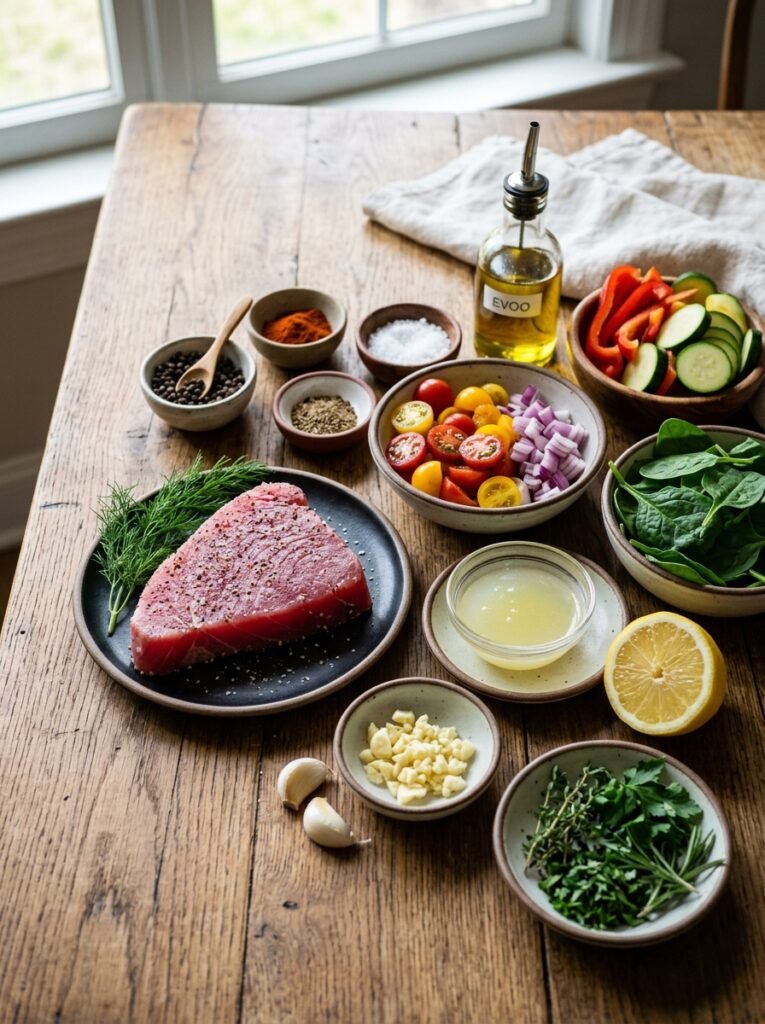
| fresh tuna steaks | 1 lb (450g) | use tuna canned in water for a pantry-friendly version |
| olive oil | 1 tbsp | substitute with avocado oil for a higher smoke point |
| garlic, minced | 2 cloves | use 1 tsp garlic powder if fresh is unavailable |
| lemon juice | 2 tbsp | fresh is best; bottled lemon works in a pinch |
| cherry tomatoes | 1 cup | substitute with diced bell peppers for crunch |
| fresh spinach | 2 cups | kale or arugula are great nutrient-dense alternatives |
| fresh parsley | 2 tbsp | use basil or cilantro for a different herb profile |
| salt and pepper | to taste | reduce salt for a low-sodium version |
Step-by-Step Instructions
Prepare the Tuna
Pat the tuna steaks dry with paper towels to ensure a good sear. Season both sides generously with salt and pepper to enhance natural flavors. Let the fish rest at room temperature for five minutes to cook evenly.
Sear the Tuna
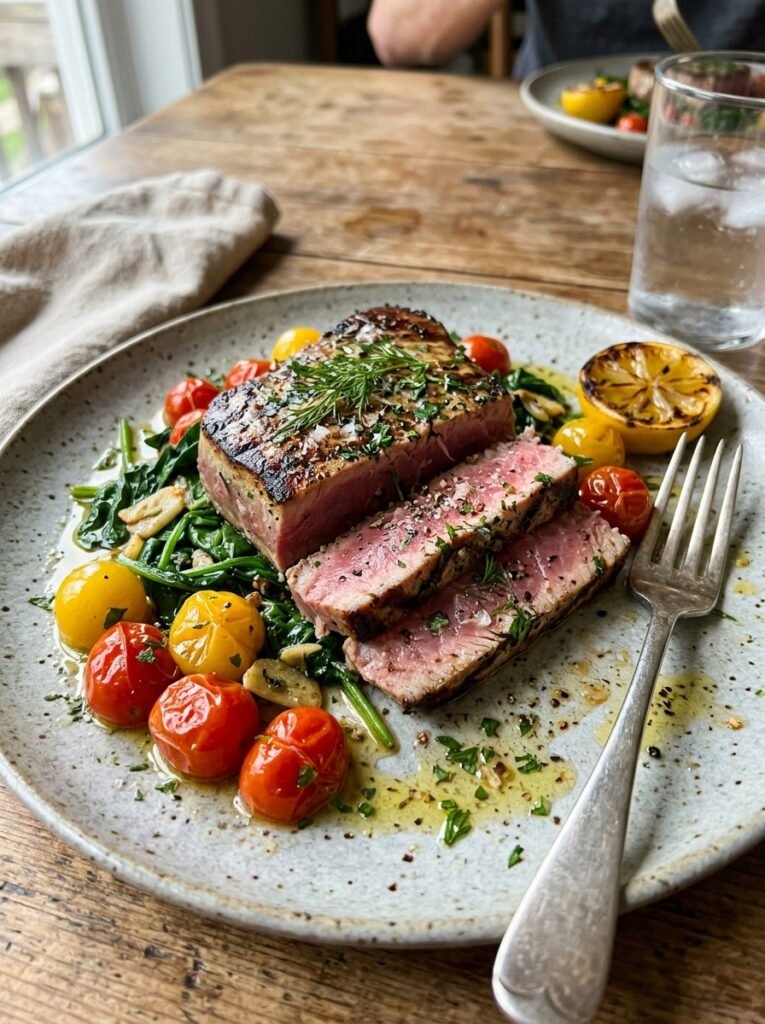
Heat olive oil in a skillet over medium-high heat until shimmering. Add the tuna steaks and sear for two to three minutes per side for medium-rare. Adjust time if you prefer well-done fish, but avoid overcooking to keep it juicy.
Sauté Aromatics
Remove the tuna from the pan and set aside to rest. In the same skillet, add minced garlic and cherry tomatoes. Sauté for one minute until the tomatoes soften and release their juices, creating a quick sauce.
Wilt the Greens
Add fresh spinach to the skillet and toss until just wilted. Stir in lemon juice to deglaze the pan and brighten the flavors. Combine the vegetables thoroughly to coat them in the light sauce.
Finish and Serve
Slice the rested tuna against the grain and place it over the vegetable mixture. Drizzle any resting juices over the top for extra moisture. Garnish with fresh parsley and serve immediately for the best texture.
Chef Tips for Perfect Results
- Always use a hot pan to achieve a caramelized crust without cooking the interior too quickly.
- Rest the tuna for five minutes before slicing to allow juices to redistribute evenly.
- Choose sushi-grade tuna if you plan to cook it rare for food safety and superior taste.
- Balance the acidity by adding lemon juice at the end; cooking it too long can make it bitter.
- Use fresh herbs rather than dried ones to maintain a vibrant color and aromatic quality.
Common Mistakes to Avoid
- Cooking the tuna too long will make it dry and tough. Fix by timing each side carefully for a tender result.
- Using a cold pan prevents proper searing. Heat the pan first to create a flavorful crust.
- Over-salting can overwhelm the delicate fish. Season lightly and adjust after cooking if needed.
- Skipping the rest period causes juices to leak out. Always let the fish rest before slicing.
- Adding garlic too early can burn it. Add it after the tuna is out to prevent bitterness.
Variations and Substitutions
| Ingredient | Substitution | Impact on Flavor |
|---|---|---|
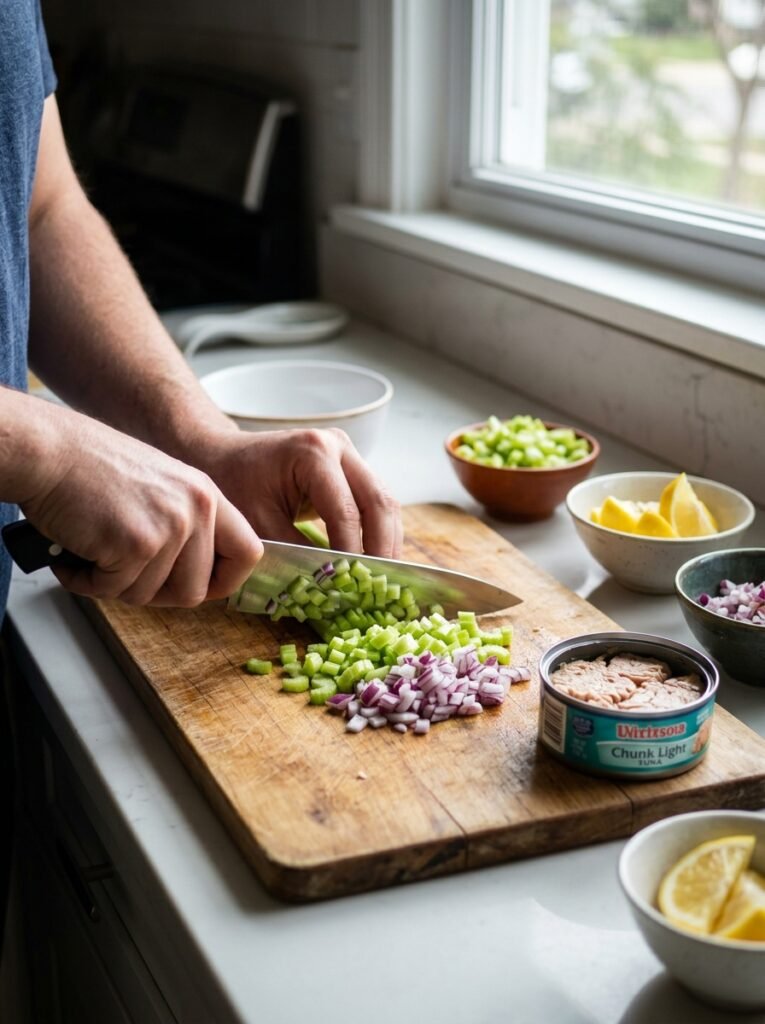
| Tuna steak | Canned tuna in water | Less seared texture, more convenient but still high protein |
| Olive oil | Avocado oil | Neutral taste, higher smoke point for better searing |
| Cherry tomatoes | Diced bell peppers | Sweet and crunchy, adds different texture |
| Spinach | Kale | Heartier greens, slightly bitter note |
| Lemon juice | Apple cider vinegar | Tangy alternative with a milder acidity |
Serving Suggestions and Pairings
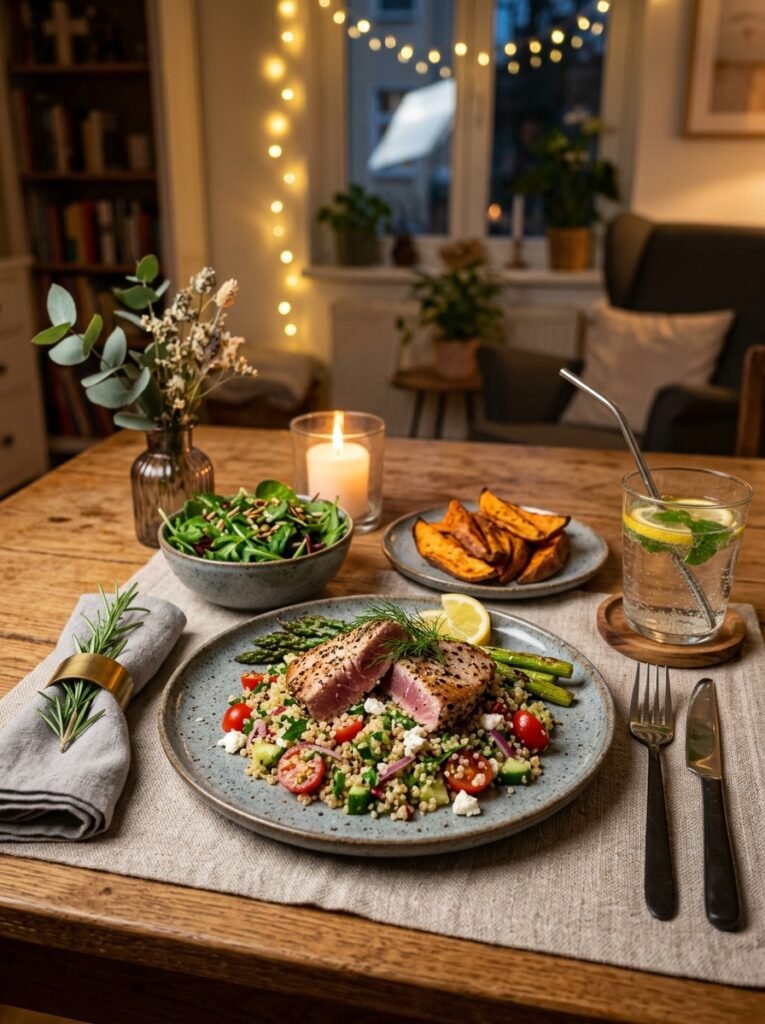
Serve this high protein low calorie tuna meal over a bed of cauliflower rice for a low-carb option that keeps calories in check. Pair it with a side of roasted asparagus to add fiber and a satisfying crunch. This combination works perfectly for a quick weeknight dinner or a post-workout meal. For a lighter lunch, enjoy it with a simple mixed green salad dressed with vinegar.
For a special occasion, present the dish with a slice of whole-grain bread to soak up the pan sauce. Complement the meal with sparkling water infused with lemon and mint for a refreshing drink. This pairing enhances the clean flavors without adding unnecessary calories. It is ideal for health-conscious gatherings or a solo wellness-focused evening.
Storage and Reheating
| Method | Duration | Instructions |
|---|---|---|
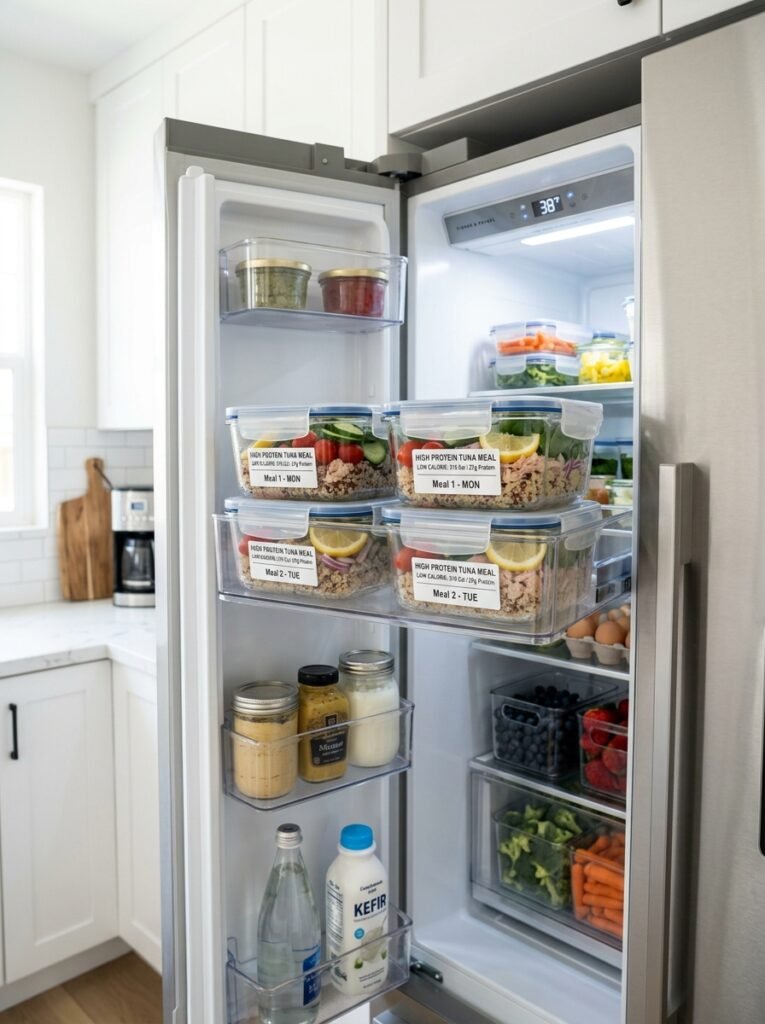
| Refrigerator | Up to 2 days | Store in an airtight container to maintain freshness and prevent drying. |
| Freezer | Up to 1 month | Freeze the tuna separately from vegetables; thaw overnight in the fridge. |
| Reheating | Immediate | Gently warm in a skillet over low heat to avoid overcooking the fish. |
Nutritional Information
| Nutrient | Amount per Serving |
|---|---|
| Calories | Approximate 280 |
| Protein | Approximate 35g |
| Fat | Approximate 10g |
| Carbohydrates | Approximate 8g |
| Fiber | Approximate 3g |
| Sugar | Approximate 4g |
| Sodium | Approximate 350mg |
Approximate values based on standard ingredient measurements.
Frequently Asked Questions
Can I substitute canned tuna for fresh in this high protein low calorie tuna meal?
Yes, you can use canned tuna packed in water for a convenient alternative. The flavor will be milder, and the texture softer, but it retains high protein content. Drain it well and add it at the end to prevent breaking apart. This swap keeps the meal low calorie and quick to prepare.
How do I know when the tuna is perfectly cooked?
The tuna is done when it reaches an internal temperature of 145°F for safety, though medium-rare is preferred for tenderness. Look for a seared crust on the outside with a pink center. Use a meat thermometer for accuracy to avoid overcooking. Resting the fish ensures even doneness throughout.
What if my spinach wilts too much during cooking?
Spinach reduces significantly in volume when heated, which is normal for this recipe. To minimize excess water, add it at the very end and toss quickly. You can also pat the spinach dry before cooking. This maintains the dish’s texture without making it soggy.
Can I make this recipe ahead for meal prep?
Yes, this meal is ideal for make-ahead preparation. Cook the tuna and vegetables separately, then combine them when ready to eat. Store in the refrigerator for up to two days. Reheat gently to preserve the quality and avoid dryness.
What are the best sides to serve with this tuna meal?
Cauliflower rice or a mixed green salad are excellent low-calorie sides. Roasted vegetables like asparagus or zucchini add fiber and variety. Pair with lemon water for a refreshing beverage. These options keep the meal balanced and satisfying.
How can I reduce the sodium content further?
Use low-sodium tuna if canned, and avoid adding extra salt during cooking. Rely on herbs, garlic, and lemon for flavor instead. Taste before seasoning to adjust naturally. This approach keeps the meal heart-healthy.
Is this recipe suitable for a keto diet?
Yes, this high protein low calorie tuna meal is naturally low in carbohydrates. The tuna and vegetables fit well within keto macros. Replace tomatoes with lower-carb veggies like bell peppers if needed. It supports weight loss and ketosis goals.
What oil works best for searing the tuna?
Olive oil or avocado oil are both ideal for searing due to their high smoke points. Avocado oil is more neutral, while olive oil adds a subtle flavor. Choose based on your preference. Both options keep the meal low calorie and healthy.
Can I add other vegetables to this dish?
Absolutely, feel free to incorporate vegetables like mushrooms or zucchini. Ensure they are chopped uniformly for even cooking. This adds variety and nutrients without significantly increasing calories. Keep the portion sizes balanced for the best results.
How does this meal support weight management?
The high protein content promotes fullness and preserves muscle mass during calorie restriction. Low calorie vegetables add volume without excess fat. It is designed for satiety and steady energy. Incorporate it into a balanced diet for effective weight management.
Conclusion
This high protein low calorie tuna meal proves that healthy eating can be simple and delicious. By focusing on fresh ingredients and proper technique, you achieve a dish that is both nutritious and flavorful. It serves as a reliable option for busy schedules and fitness goals alike. Try this recipe today and discover the satisfying taste of clean eating.
For more healthy recipes, explore our healthy dinner ideas collection. Learn about the benefits of lean protein at Healthline. Visit our meal prep guides for additional tips. Check out low-calorie recipes for more inspiration. External resource: Academy of Nutrition and Dietetics.
Print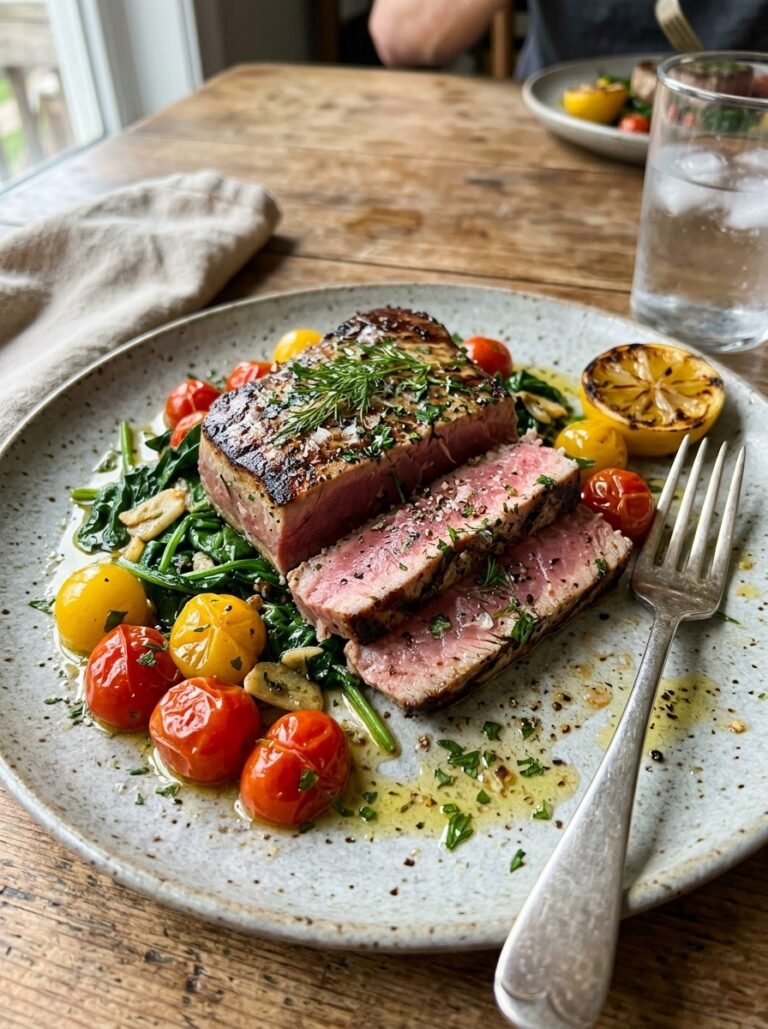
High Protein Low Calorie Tuna Meal
A quick, satisfying dinner with lean tuna, fresh herbs, and vegetables. Packed with protein and nutrients, this recipe supports weight management and muscle recovery. Ready in 15 minutes with minimal effort.
- Total Time: 15
- Yield: 2 servings
Ingredients
fresh tuna steaks (1 lb / 450g)
olive oil (1 tbsp)
lemon juice (1 tbsp)
fresh garlic (2 cloves, minced)
cherry tomatoes (1 pint, halved)
spinach (2 cups, fresh)
fresh herbs (2 tbsp, such as parsley or dill)
sea salt (to taste)
black pepper (to taste)
Instructions
Pat tuna steaks dry and season both sides with salt and pepper
Heat olive oil in a non-stick skillet over medium-high heat
Sear tuna for 2 minutes per side (for rare/medium doneness)
Add cherry tomatoes and sauté for 2 minutes
Stir in garlic, lemon juice, and fresh herbs; cook for 1 minute
Gently fold in spinach until wilted (1-2 minutes)
Remove from heat and let rest for 2 minutes before serving
Notes
Use tuna canned in water for a pantry-friendly option
Tuna steaks can be prepped ahead and cooked just before serving
Leftovers store in an airtight container for up to 3 days
Adjust lemon juice and herbs to taste
- Prep Time: 10
- Cook Time: 5
- Category: Low Calorie Meals
- Method: Searing
- Cuisine: Modern Healthy
- Diet: High Protein
Nutrition
- Serving Size: 1 serving
- Calories: 380
- Sugar: 0g
- Sodium: 500mg
- Fat: 14g
- Saturated Fat: 2g
- Carbohydrates: 5g
- Fiber: 2g
- Protein: 50g
- Cholesterol: 70mg